
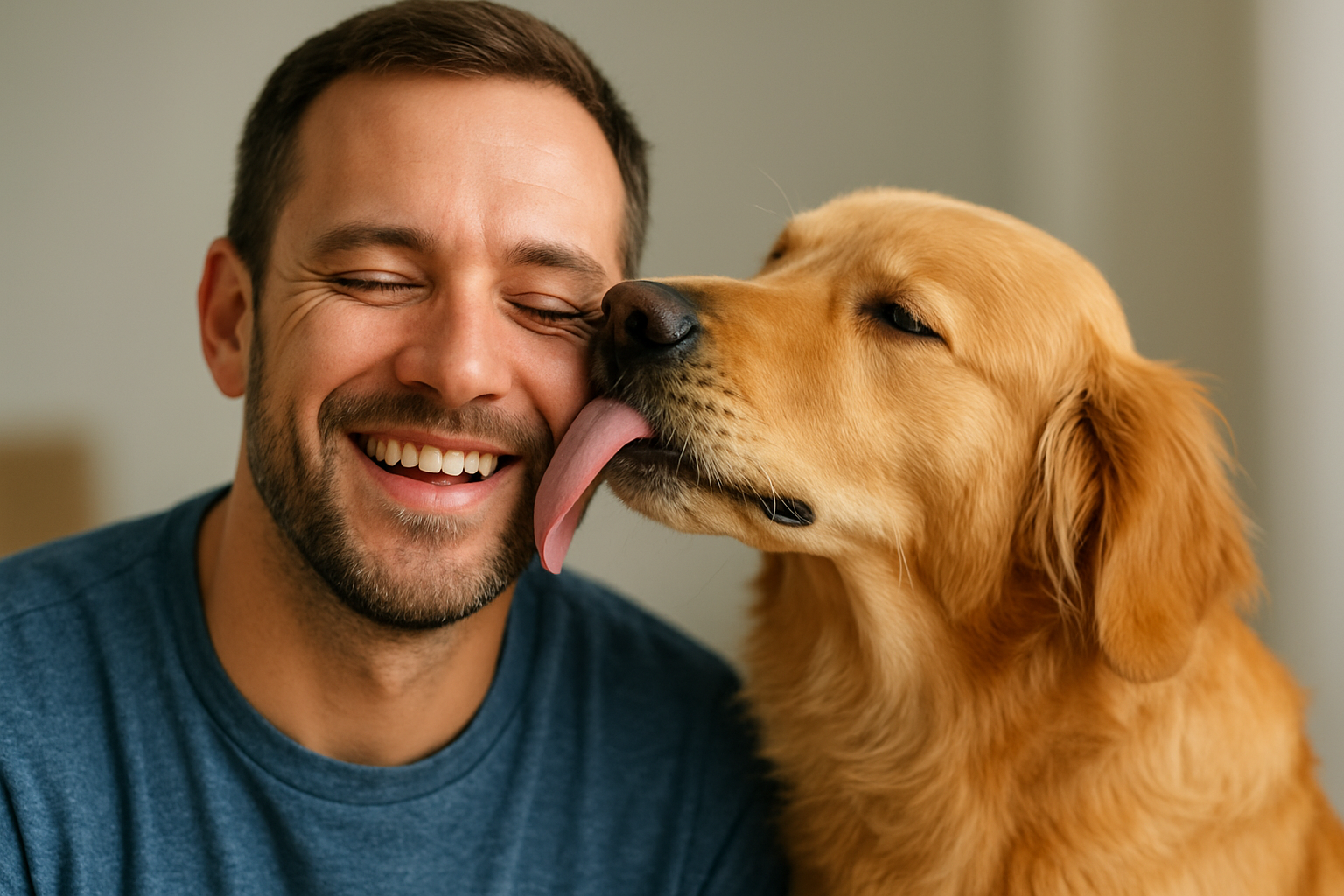
When Dogs Lick You: Uncovering the Meaning Behind Their Affection
⚡ TL;DR: This guide explains the various meanings and emotions behind when dogs lick you.
📋 What You’ll Learn
In this comprehensive guide about when dogs lick you, we’ve compiled everything you need to know. Here’s what this covers:
- Learn the reasons behind licking – Discover how licking serves as a form of communication and affection in dogs.
- Understand emotional connections – Recognize the bond formed through licking and the release of bonding hormones.
- Master the art of interpretation – Gain insights into contextual factors that influence licking behavior.
- Explore scientific research – Review studies that provide a deeper understanding of licking as an instinctual and emotional behavior.
Quick Summary & Key Takeaways
- The act of licking is a multifaceted behavior in dogs, serving as a form of communication and affection.
- Understanding why dogs lick can strengthen the bond between pets and owners.
- Scientific research supports various theories regarding the instinctual and emotional aspects of licking.
- Observing other behaviors alongside licking can provide deeper insights into a dog’s emotional state.
- When dogs lick you, it may indicate trust, affection, or even a learned behavior based on past interactions.
Dogs exhibit a variety of behaviors that intrigue and sometimes perplex their owners. One such behavior is licking. When dogs lick you, it can be puzzling, especially if you’re uncertain whether it’s a sign of affection, a communication method, or something else entirely. The truth is, the reasons behind this behavior are multifaceted and can reveal a lot about how your dog feels in a given moment.
Understanding when dogs lick you can enhance the human-animal bond, encouraging owners to respond appropriately. Studies suggest that dog licking is not merely instinctual; it’s also influenced by socialization, environment, and individual personality traits. This article explores the motivations behind this common canine behavior, providing insights that may change how you perceive your dog’s affection.
Advanced Insights & Strategy
The complexity of canine licking behavior requires a nuanced understanding. It’s not just about affection; it’s a mix of instinct, learned behavior, and communication.
To fully grasp when dogs lick you, consider employing a strategic framework that includes observation, context assessment, and response analysis. This means paying close attention to your dog’s body language and the situation surrounding the licking. For instance, if your dog licks you after you’ve returned home from a long day, it likely indicates excitement and affection. Conversely, if licking occurs during a stressful situation, it may reflect anxiety.
Engaging with your dog through interactive play can also help decipher these behaviors. For example, a study published in the *Journal of Veterinary Behavior* found that dogs who received consistent reinforcement for positive behaviors, including licking, developed stronger emotional connections with their owners. This suggests that encouraging healthy interactions can lead to a more profound understanding of your dog’s needs.
Understanding The Behavior Of Dogs
Licking is an intrinsic behavior seen in many animals, but dogs have particularly unique reasons for this action.
### The Evolutionary Perspective
Historically, dogs licked their mothers to solicit food and care. This behavior has persisted into adulthood as a means of communication and bonding. When dogs lick you, they may be expressing affection, seeking attention, or trying to soothe themselves during stressful moments. Research by the American Kennel Club emphasizes that many breeds exhibit licking as a way to connect with their humans, reinforcing their pack mentality.
### The Role of Socialization
Socialization plays a critical role in how and why dogs lick. Puppies that experience positive interactions during their formative months are more likely to engage in licking as a form of communication. A comprehensive study by the American Veterinary Medical Association found that socialized dogs demonstrate varied licking behaviors, suggesting they’ve learned this as a form of social currency in their human interactions.
### Behavioral Reinforcement
The act of licking can also be reinforced through owner responses. If a dog receives positive feedback, such as petting or verbal praise, they are likely to repeat this behavior. This is especially true in breeds known for their affectionate nature, such as Golden Retrievers or Cavalier King Charles Spaniels, which often use licking as a primary form of interaction with their owners.
The Emotional Connection When Dogs Lick You
When dogs lick you, it’s more than just a physical act; it’s deeply rooted in emotional connection.
### Affectionate Behavior
Licking is a common way for dogs to show affection. Research shows that dogs release oxytocin—a hormone associated with bonding—when they lick their owners. A study published in *Science* found that the level of oxytocin increases significantly in both dogs and humans during positive interactions. This biochemical response underscores the emotional bond that licking can signify.
### Stress Relief and Comfort
Interestingly, licking serves as a self-soothing mechanism for dogs. Just as humans may engage in comfort behaviors when anxious, dogs may lick their owners to alleviate their own stress. A 2026 study from the University of California Davis indicated that dogs under stress were more likely to lick their owners repeatedly, suggesting that this behavior acts as a coping strategy.
### The Bonding Ritual
The licking ritual can also be seen as a form of bonding. When dogs lick their owners, it often encourages a reciprocal response of affection, creating a feedback loop that strengthens their relationship. This dynamic is particularly important in new dog-owner relationships, as positive reinforcement can help establish trust.
Canine Communication: When Dogs Lick You
Understanding licking as a form of communication is vital for dog owners.
### Non-Verbal Communication
Dogs lack the ability to speak, so they rely on body language and actions, including licking, to express their feelings. When dogs lick you, they may be signaling various emotional states, from happiness to anxiety. Recognizing these signals can help owners respond appropriately, ensuring a supportive environment for their pets.
### Contextual Factors
The context in which licking occurs is crucial. For example, if your dog licks excessively during a thunderstorm, it may indicate fear rather than affection. Contextual insights can be gleaned from observing your dog’s overall body language and environmental cues. According to the American Animal Hospital Association, understanding these signals can enhance your ability to respond to your dog’s emotional needs effectively.
### Interpreting Mixed Signals
Sometimes, licking can be accompanied by other behaviors that complicate its interpretation. For instance, when dogs lick you while also displaying signs of anxiety, such as whining or pacing, it may indicate a need for reassurance rather than a simple expression of love. Being aware of these mixed signals is essential for effective communication.
What Science Says About When Dogs Lick You
Scientific research sheds light on the multifaceted reasons behind licking behavior.
### Instinctual Roots
Studies indicate that licking is an instinctual behavior that dates back to a dog’s ancestors. Research from the University of Bristol highlights that licking helps dogs learn about their environment and communicate with their pack. This instinctual behavior often translates into affectionate licking in domestic settings.
### Behavioral Studies
A 2026 study published in the *Journal of Veterinary Behavior* examined licking behaviors across various breeds and environments, revealing that dogs raised in affectionate households engaged in licking more frequently. This indicates that the environment plays a significant role in shaping licking behavior.
### The Neurochemistry of Licking
Research has demonstrated that licking releases neurotransmitters that promote bonding and reduce stress in both dogs and humans. A report from the National Institutes of Health found that dogs exhibit increased levels of serotonin after licking, reinforcing the emotional bonding process. This neurochemical response highlights the importance of licking as a social behavior in dogs.
Frequently Asked Questions About when dogs lick you
What does it mean when dogs lick you excessively?
Excessive licking may indicate anxiety or stress, particularly if it occurs in new or uncomfortable situations. Dogs may also lick excessively if they are seeking attention or if they have learned that this behavior elicits a positive response from their owners.
Is licking always a sign of affection when dogs lick you?
While licking is often a sign of affection, it can also indicate anxiety, stress, or a learned behavior. It’s essential to observe the context and accompanying body language to understand the true motivation behind the licking.
How can I reduce excessive licking in my dog?
To reduce excessive licking, it’s crucial to identify the underlying cause. Providing mental stimulation, regular exercise, and positive reinforcement for alternative behaviors can help. Consulting a veterinarian or animal behaviorist may also be beneficial.
Can licking be harmful to my dog?
While occasional licking is harmless, excessive licking can lead to skin irritations or infections. If a dog licks a specific area persistently, it’s advisable to consult a veterinarian to rule out any underlying health issues.
(adsbygoogle = window.adsbygoogle || []).push({});
When dogs lick you, does it mean they trust you?
Yes, when dogs lick you, it often signifies trust and affection. This behavior is a way for dogs to bond with their owners, reflecting their comfort and love.
What should I do if my dog licks me after being scolded?
If your dog licks you after being scolded, it may be an attempt to appease or soothe themselves. It’s important to provide reassurance and avoid negative reinforcement, as this can create confusion and anxiety.
Are certain dog breeds more prone to licking?
Yes, certain breeds, such as Labrador Retrievers and Golden Retrievers, are known for their affectionate nature and may exhibit more licking behavior. However, individual personality and training also play significant roles.
How can I interpret my dog’s licking behavior?
Interpreting a dog’s licking behavior requires observing the context and accompanying body language. Pay attention to your dog’s overall demeanor to understand whether the licking is affectionate, anxious, or a learned behavior.
Conclusion
When dogs lick you, it serves as a window into their emotions and needs. This behavior can signify trust, affection, or anxiety, making it essential for dog owners to understand the context surrounding it. By recognizing the different motivations behind licking, owners can respond appropriately, enhancing their relationship with their furry companions. Ultimately, when dogs lick you, it’s an opportunity to deepen the bond and ensure a supportive environment for their emotional well-being.
A Contrarian Take On Dog Licking
Not everyone views licking as a purely affectionate behavior. Some trainers argue that excessive licking can lead to learned dependence, suggesting that owners should discourage it to promote independence.
A Real-World Example of Canine Affection
Consider the heartwarming story of Apollo, a therapy dog who licked the face of a cancer patient during treatment. This act of licking not only provided comfort but also sparked a friendship that helped the patient through a challenging time.
The Core Principle of Canine Interaction
Understanding your dog’s behavior is crucial. When dogs lick you, it’s vital to approach this behavior with empathy and observation, allowing for a deeper understanding of their emotional landscape.
Find out more information about “when dogs lick you”
Search for more resources and information: