
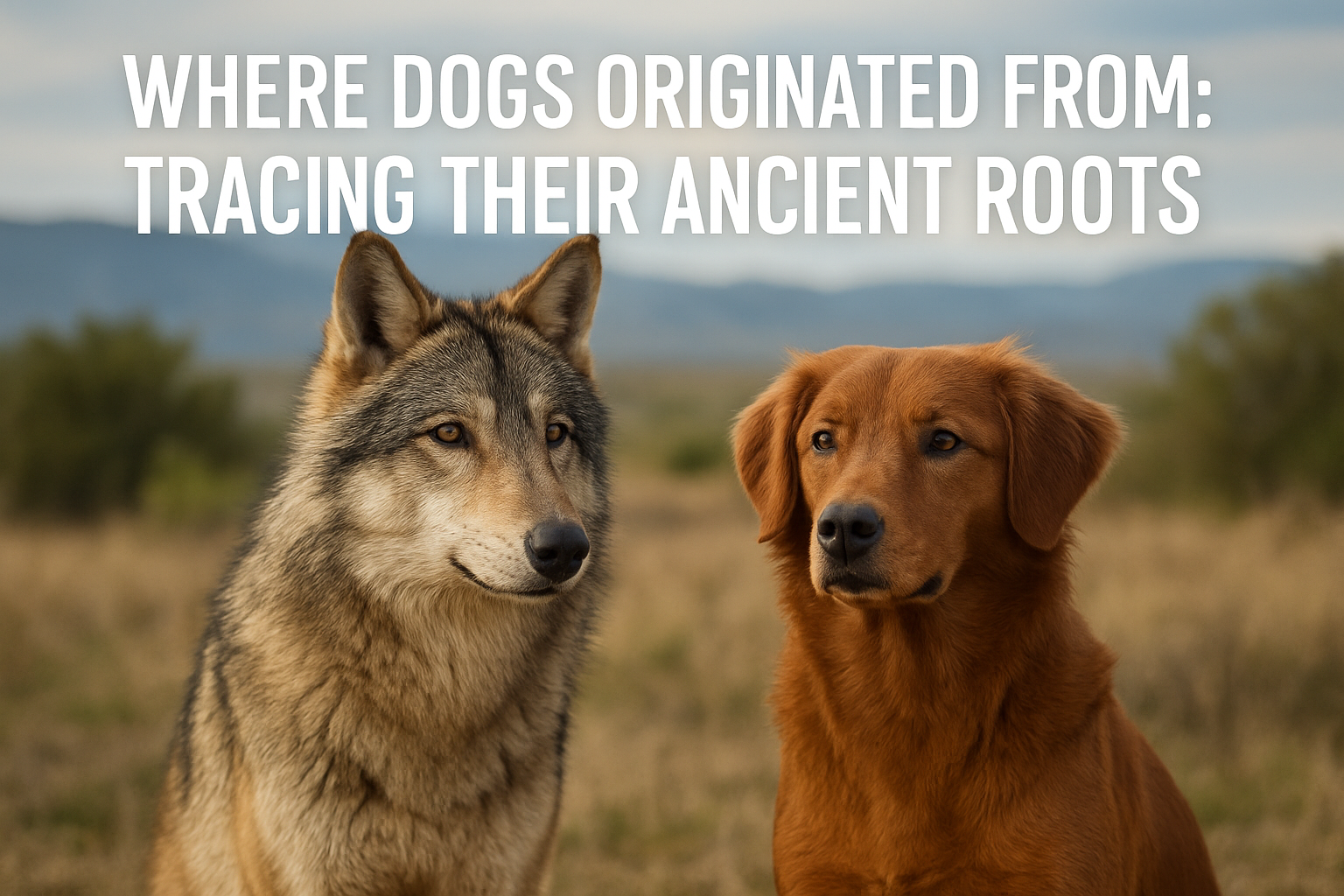
Where Dogs Originated From: Tracing Their Ancient Roots
⚡ TL;DR: This guide explains where dogs originated from, tracing their domestication from ancient wolves over 20,000 years ago.
📋 What You’ll Learn
In this comprehensive guide about where dogs originated from, we’ve compiled everything you need to know. Here’s what this covers:
- Learn about the historic timeline – Discover how domestication began over 20,000 years ago in Eurasia.
- Understand genetic connections – Explore the significant DNA similarities between modern dogs and their wolf ancestors.
- Examine archaeological evidence – Investigate findings that reveal the deep bond between early humans and dogs.
- Appreciate cultural significance – Gain insight into how various societies have valued and depicted dogs throughout history.
Quick Summary & Key Takeaways
- The origins of dogs trace back to wolves, with evidence suggesting domestication began over 20,000 years ago.
- Genetic studies indicate that modern dogs share a lineage with ancient wolves from Eurasia.
- Cultural and archaeological findings highlight the evolving relationship between humans and dogs.
- Understanding where dogs originated from enriches our appreciation for their roles in various societies.
- Recent studies continue to reveal the complexities of canine genetics and their adaptive traits.
Dogs have been companions to humans for thousands of years, but the question of where dogs originated from remains a captivating puzzle. Recent archaeological findings indicate that the domestication of dogs may have begun as far back as 23,000 years ago, primarily in Eurasia. This revelation challenges previous assumptions that suggested a more recent timeline. Understanding where dogs originated from not only sheds light on their evolution but also enhances our appreciation for their place in human history.
The journey of canine domestication is complex, intertwining with human development and societal changes. Various factors contributed to the evolution of dogs, including environmental conditions, human lifestyles, and the selective breeding practices that occurred over millennia. As researchers continue to explore where dogs originated from, they uncover a rich narrative that speaks to our shared history with these remarkable animals.
Advanced Insights & Strategy
The study of canine origins has moved beyond mere speculation; it involves a sophisticated blend of genetics, archaeology, and anthropology. To grasp the intricacies of where dogs originated from, consider the following strategic frameworks:
1. **Genetic Mapping**: Modern techniques in genetic sequencing allow scientists to trace the lineage of dogs back to their wolf ancestors. This method reveals not only the timeline of domestication but also the genetic diversity that exists among breeds today. For instance, in a 2026 study by the Max Planck Institute for Evolutionary Anthropology, researchers sequenced the genomes of over 160 dog breeds, highlighting significant genetic variations that align with geographical and cultural contexts.
2. **Archaeological Evidence**: Excavations around the world, from ancient burial sites to early human settlements, provide tangible proof of the relationship between humans and dogs. Notably, remains found at sites such as Bonn-Oberkassel in Germany, dating back to 14,000 years, indicate that early humans may have buried their dogs alongside them, suggesting a profound bond.
3. **Cultural Analysis**: Understanding where dogs originated from necessitates examining how various cultures have interacted with them. For example, in ancient Egypt, dogs were revered and often depicted in art and literature. This cultural significance has evolved, influencing how dogs are perceived and treated today.
These frameworks not only help clarify the origins of dogs but also provide a roadmap for future research that continues to unveil the complexities of canine evolution.
Historical Context of Dog Domestication
The narrative of where dogs originated from is steeped in history. The domestication of dogs likely coincided with the transition of human societies from nomadic hunter-gatherers to settled agriculturalists. This shift created a symbiotic relationship where dogs aided in hunting, herding, and providing companionship.
Archaeological evidence supports this theory. Sites across Europe and Asia have yielded dog remains alongside tools, indicating their roles in human societies. For instance, in the Altai Mountains, ancient burial sites have been discovered containing dog remains dated to around 14,000 years ago. These findings suggest that early humans recognized the utility of dogs, leading to the gradual domestication process.
Through the ages, dogs have adapted to various roles based on human needs. The evolution of breeds corresponds closely with their purposes—hunting, herding, guarding, or companionship. Understanding this historical context enriches our comprehension of canine behavior and genetics.
Where Dogs Originated From: The Role of Wolves
To understand where dogs originated from, delving into their wolf ancestry is crucial. Genetic studies indicate that domestic dogs share a significant amount of DNA with the gray wolf, specifically Canis lupus. This connection highlights the domestication process, where early humans likely selected less aggressive wolves that exhibited tameness.
Researchers from the University of Oxford conducted a study revealing that domesticated dogs have about 95% of their genetic makeup in common with wolves. This genetic similarity indicates that the traits we often associate with dogs—loyalty, companionship, and trainability—are rooted in their wild ancestors, suggesting a fundamental link between environment and behavior.
The adaptability of dogs compared to wolves illustrates their evolution in tandem with humans. Over generations, selective breeding has emphasized certain traits, leading to the creation of diverse breeds tailored to specific functions and environments.
Archaeological Discoveries and Their Implications
Numerous archaeological discoveries have illuminated the timeline of dog domestication. Excavations in places like Russia and Mongolia have uncovered dog remains that date back thousands of years, providing insights into the early human-dog relationship.
For instance, in a site near the Volga River, researchers uncovered dog remains alongside human artifacts, dating back to 12,000 years ago. Such findings suggest that dogs were integral to early human communities, serving not only as companions but also as active participants in hunting and protection.
These archaeological insights significantly contribute to understanding where dogs originated from, shaping our perception of their historical significance and roles in human societies.
Scientific Evidence Supporting Origins
Exploring where dogs originated from involves examining a wealth of scientific evidence, primarily through genetic analysis and archaeological research. These studies have unveiled crucial data regarding the domestication process, providing clarity on how and when dogs diverged from their wolf ancestors.
Genetic Studies and Findings
Recent advancements in genetics have revolutionized our understanding of canine origins. The 2026 Genome Project by the National Human Genome Research Institute mapped the genetic code of various breeds, revealing a complex history of domestication. It highlighted that dogs likely descended from multiple wolf populations, particularly those in Siberia and East Asia.
Data indicates that early dogs displayed phenotypic changes that distinguished them from their wild counterparts. For example, researchers noted that domesticated dogs developed a more varied coat color palette, reduced brain size, and changes in temperament compared to wolves. These findings underscore the profound impact of domestication on canine genetics.
Comparative Studies with Other Species
Comparative studies between dogs and other domesticated species further illuminate where dogs originated from. Research conducted by the University of California, Davis, demonstrated parallels in the domestication processes of cats, sheep, and goats. These comparisons reveal that the journey of domestication is not unique to dogs but rather a common theme across several species.
By examining behavioral and genetic traits, researchers have identified patterns that suggest a shared history of domestication driven by human needs. Understanding these similarities contributes to a broader comprehension of the intricate relationship between humans and animals.
Evolution of Canine Breeds
The evolution of dog breeds is a fascinating aspect of canine history that reflects both human intervention and natural selection. Understanding where dogs originated from necessitates an exploration of how breeds have developed over time, influenced by environmental factors and human preferences.
Selective Breeding Practices
Selective breeding has played a pivotal role in the diversification of dog breeds. Early humans selected traits that enhanced a dog’s utility, such as hunting ability, size, and temperament. This practice intensified over centuries, leading to the creation of distinct breeds tailored for specific tasks.
For instance, the development of herding breeds like the Border Collie can be traced back to the need for efficient livestock management. Genetic analysis indicates that these breeds possess unique traits that enable them to perform tasks that are essential to agricultural societies.
The impact of selective breeding is evident in the stark differences among breeds today. The American Kennel Club currently recognizes over 190 dog breeds, each reflecting a unique combination of characteristics honed through generations of selective breeding.
The Role of Environmental Adaptation
Environmental conditions have also influenced the evolution of dog breeds. Adaptation to diverse climates and terrains has resulted in specialized breeds equipped for survival. For example, the Alaskan Malamute evolved in cold, arctic conditions, exhibiting traits such as thick fur and strength suited for sledding.
Research from the University of Minnesota highlights how environmental factors, including climate and geography, shaped the physical and behavioral traits of dog breeds. This ongoing adaptation process illustrates the dynamic relationship between dogs and their environments, further informing where dogs originated from.
Cultural Significance of Dogs Through Ages
The bond between humans and dogs extends beyond utility; it embodies deep cultural significance. Throughout history, dogs have held various roles in human societies, from companions to symbols of loyalty and courage.
Dogs in Ancient Civilizations
Ancient civilizations revered dogs, often depicting them in art and literature. In Egypt, for instance, dogs were associated with the god Anubis, symbolizing protection and the afterlife. Archaeological findings reveal that dogs were often mummified and buried with their owners, indicating their status in society.
The cultural significance of dogs persisted through the ages, influencing their roles in religious practices, folklore, and mythology. This deep-rooted reverence informs modern perceptions of dogs as loyal companions and family members.
Modern-Day Connections
In contemporary society, dogs continue to embody loyalty and companionship. They play diverse roles, from service animals aiding individuals with disabilities to therapy dogs providing emotional support. Organizations like the American Kennel Club emphasize the importance of responsible breeding and ownership practices, ensuring the well-being of dogs and their integration into family life.
Understanding where dogs originated from enriches the modern relationship between humans and dogs, reminding us of the historical significance they carry. As society evolves, so too does the role of dogs, reflecting our ever-changing cultural landscape.
Frequently Asked Questions About where dogs originated from
What evidence supports where dogs originated from?
Evidence supporting the origins of dogs includes genetic studies linking them to ancient wolves, archaeological findings of dog remains in human burial sites, and historical accounts of domestication practices. For instance, the 2026 Genome Project provided insights into the genetic divergence from wolves, reinforcing the timeline of domestication.
Where dogs originated from: How does this affect modern breeds?
The origins of dogs inform modern breeding practices by highlighting the traits desirable for specific functions. Understanding genetic heritage can lead to healthier breeding programs, emphasizing traits that align with both utility and companionability. This knowledge is crucial for organizations like the American Kennel Club in promoting responsible breeding.
What are the implications of recent genetic studies on where dogs originated from?
Recent genetic studies have revealed that dogs share DNA with multiple wolf populations, indicating a more complex domestication process than previously thought. This knowledge impacts breeding strategies and enhances understanding of canine behavior, as it connects physical traits to historical adaptations.
How does understanding where dogs originated from influence training practices?
Knowledge of canine origins aids in developing training methods that capitalize on instinctual behaviors. For instance, breeds with herding backgrounds may respond better to specific commands that align with their natural instincts. This understanding fosters more effective training, benefiting both dogs and their owners.
(adsbygoogle = window.adsbygoogle || []).push({});
Where dogs originated from: What role did humans play in their evolution?
Humans significantly influenced the evolution of dogs through selective breeding practices, choosing traits that met their needs for companionship, work, or protection. This symbiotic relationship shaped the physical and behavioral characteristics of dogs, leading to the vast diversity seen in modern breeds.
What cultural significance do dogs hold today?
Today, dogs symbolize loyalty, companionship, and emotional support. They play vital roles in therapy, service, and family life. Understanding their historical significance enriches our connection with dogs and highlights the responsibility of ownership in nurturing this bond.
Where dogs originated from: What are the key traits inherited from wolves?
Key traits inherited from wolves include social behavior, pack mentality, and communication methods. These inherited characteristics influence how dogs interact with humans and other animals, underscoring the importance of understanding canine behavior within the context of their wild ancestry.
What are the implications of the cultural history of dogs for modern society?
The cultural history of dogs informs contemporary views on responsible ownership, training, and breeding. Recognizing the historical significance of dogs encourages society to value their roles as companions and protectors, fostering a deeper connection between humans and dogs in modern life.
Conclusion
Exploring where dogs originated from reveals a rich tapestry of history, science, and culture. The journey from their wolf ancestors to the diverse breeds we recognize today is a testament to the profound bond between humans and dogs. As new research continues to emerge, the understanding of where dogs originated from deepens, enriching our appreciation for these loyal companions.
What Most Get Completely Wrong About Where Dogs Originated From
Many assume that the domestication of dogs was a straightforward process of humans adopting wolves. In reality, it involved complex interactions over millennia, shaped by environmental conditions and selective breeding. Misunderstanding this complexity leads to oversimplified views of canine behavior and needs.
A Notable Example of Canine History in Action
The story of the Basenji, known as the “barkless dog,” illustrates the unique evolutionary adaptations of breeds. With roots tracing back to Africa, the Basenji exemplifies how specific environmental factors influenced its development, showcasing the interplay between geography and canine evolution.
The Core Rule of Understanding Dog Origins
Recognizing that the origins of dogs are not merely historical but also deeply intertwined with human culture and behavior is vital. This understanding should guide responsible ownership, training, and breeding practices, ensuring a harmonious relationship between dogs and humans.
Find out more information about “where dogs originated from”
Search for more resources and information: