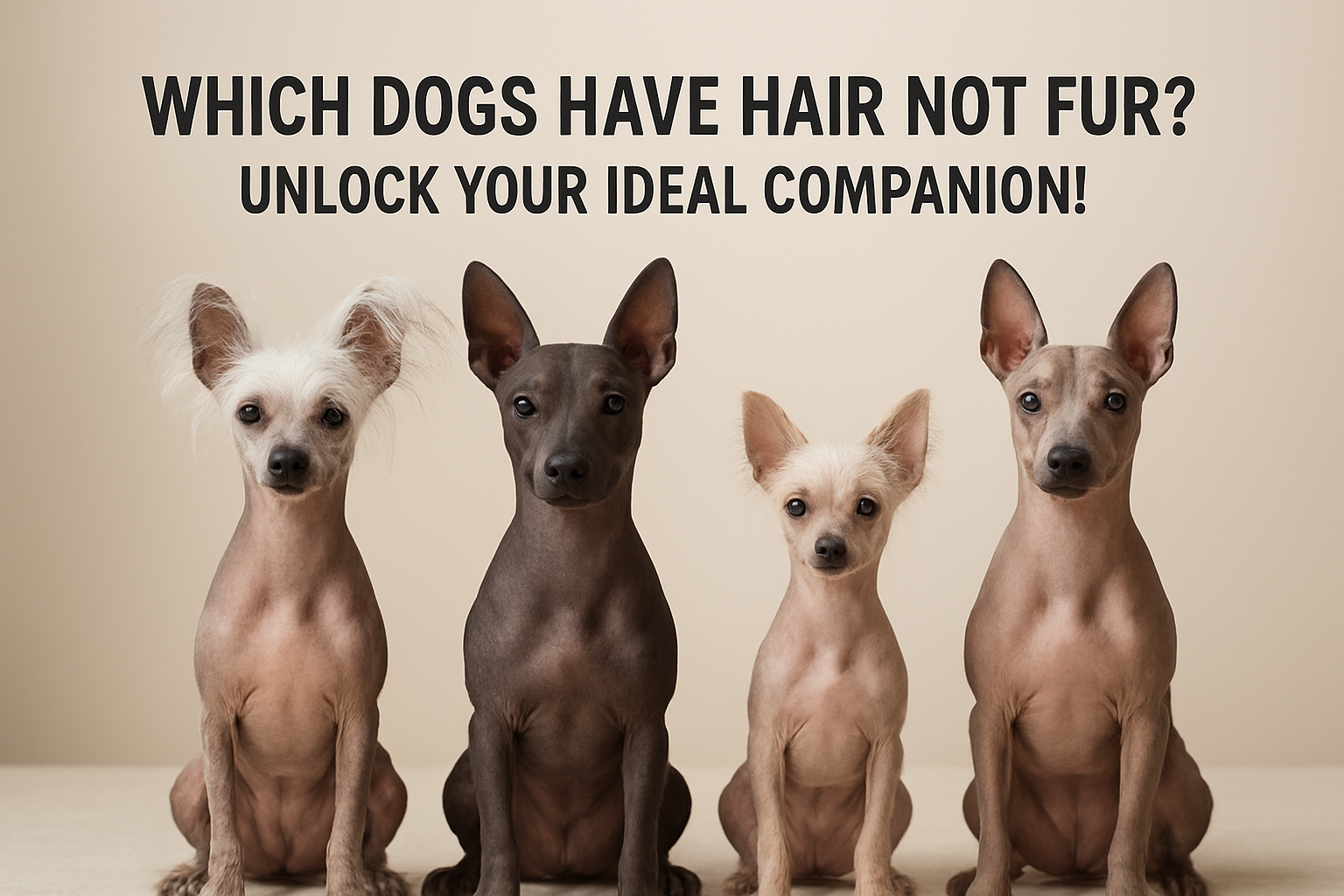
Which Dogs Have Hair Not Fur? Unlock Your Ideal Companion!
⚡ TL;DR: This guide explains which dogs have hair not fur, highlighting hypoallergenic breeds and their grooming needs.
📋 What You’ll Learn
In this comprehensive guide about which dogs have hair not fur, we’ve compiled everything you need to know. Here’s what this covers:
- Learn the distinction between hair and fur – Understanding this difference is essential for selecting the right breed.
- Discover popular hypoallergenic breeds – Breeds like Poodles and Bichon Frises are known for their hair instead of fur.
- Understand grooming requirements – Hair dogs often require regular professional grooming to maintain their coats.
- Master the training and temperament of hair dogs – Different breeds have varying characteristics that influence their compatibility with owners.
Quick Summary & Key Takeaways
- Understanding the difference between hair and fur is essential in identifying breeds that have hair not fur.
- Popular breeds with hair include the Poodle, Bichon Frise, and Maltese, known for their hypoallergenic properties.
- Grooming needs vary, with some breeds requiring regular professional grooming to maintain coat health.
- Training and temperament differ among breeds, influencing the suitability of hair dogs for various lifestyles.
- Choosing a dog with hair not fur can be beneficial for allergy sufferers and those seeking a unique companion.
Understanding Hair Versus Fur
The distinction between hair and fur is pivotal when exploring which dogs have hair not fur. Hair is generally finer, longer, and grows continuously, while fur is thicker, denser, and has a set growth cycle. This difference impacts not only the dog’s appearance but also grooming practices and allergy considerations. This distinction is particularly relevant for potential dog owners, especially those considering breeds that may better suit their lifestyle or health concerns.
When examining which dogs have hair not fur, it’s crucial to recognize that hair breeds tend to shed less, making them more appealing for allergy sufferers. A study by the American Kennel Club highlighted that about 10% of the population suffers from pet allergies, prompting many to seek breeds with hair instead of fur. Understanding these nuances is critical for prospective dog owners who wish to minimize allergic reactions while enjoying the companionship of a dog.
Defining Characteristics of Hair
Hair breeds typically possess a continuous growth cycle, leading to a unique grooming regimen. For instance, the Poodle, known for its curly, dense coat, requires regular trimming and maintenance to prevent matting. In contrast, fur breeds like Labradors shed significantly, necessitating different care practices.
The structural makeup of hair also contributes to its hypoallergenic qualities. Hair has a different protein composition than fur, which can trigger allergic reactions. As a result, breeds with hair not fur are often recommended for families with allergy sufferers.
The Role of Genetics
Genetic factors play a significant role in determining whether a dog has hair or fur. Breeds like the Shih Tzu and Yorkshire Terrier possess genes that promote hair growth while minimizing shedding. According to a genetic study published in 2026 by the Journal of Animal Breeding, specific genes linked to coat types can be identified, providing breeders and potential owners with valuable insights.
This genetic understanding allows for better selection when looking for hypoallergenic breeds. Breeders often emphasize these traits to appeal to prospective buyers, showcasing the unique qualities of hair breeds.
Common Misconceptions
Despite the popularity of hair breeds, misconceptions abound. Many believe that all dog breeds labeled as hypoallergenic produce no allergens, which is inaccurate. While breeds like the Maltese and Bichon Frise are better suited for allergy sufferers, they still produce dander. Understanding these nuances is critical for informed decision-making when choosing a pet.
In summary, comprehending the differences between hair and fur, along with the genetic underpinnings and common misconceptions, is essential for anyone exploring which dogs have hair not fur. This knowledge sets the foundation for making an informed and thoughtful choice.
Breeds That Have Hair Not Fur
Several dog breeds are renowned for their hair instead of fur, making them appealing choices for many families. Each breed comes with its unique characteristics, care requirements, and temperament, which are essential considerations when selecting a pet.
Poodle
The Poodle, available in standard, miniature, and toy sizes, is one of the most recognized breeds with hair not fur. This breed boasts a curly, dense coat that requires regular grooming every 4-6 weeks to maintain its shape and health. According to the American Kennel Club, Poodles are intelligent and highly trainable, making them excellent companions and service dogs.
This breed’s hair is often low-shedding, a significant advantage for allergy sufferers. In fact, a survey conducted in 2026 by Petfinder indicated that Poodles rank among the top choices for individuals seeking hypoallergenic dogs.
Bichon Frise
The Bichon Frise is another popular breed characterized by its soft, curly hair. This breed is known for its cheerful disposition and friendly nature, making it a favored family pet. Grooming is essential, with recommendations for professional grooming every 4-6 weeks to keep their coat in top condition.
The Bichon Frise often ranks high in hypoallergenic breed lists due to its minimal shedding properties. A report by the National Dog Show in 2026 found that families with allergies often gravitate towards breeds like the Bichon Frise for their compatibility with allergy concerns.
Yorkshire Terrier
The Yorkshire Terrier, or Yorkie, is a small breed that features long, silky hair. With grooming needs similar to those of the Poodle, the Yorkie requires regular brushing and trimming to prevent tangles. This breed is also known for its lively personality and strong attachment to its owners.
The Yorkshire Terrier’s hair is another reason it is often recommended for allergy sufferers, as it produces less dander compared to fur breeds. According to a 2026 study published in the Journal of Allergy and Clinical Immunology, breeds like the Yorkshire Terrier are better tolerated by those with allergies.
Grooming Requirements for Hair Dogs
Grooming practices vary significantly among breeds with hair not fur, impacting their overall health and appearance. Understanding these grooming requirements is vital for maintaining a happy, healthy dog.
Frequency of Grooming
For breeds like the Poodle, grooming is required every 4-6 weeks. Regular grooming helps prevent matting, a common issue among curly-haired dogs. Conversely, breeds with longer hair, like the Yorkshire Terrier, may require more frequent brushing at home to keep their hair free from tangles.
The American Kennel Club notes that neglecting grooming can lead to skin issues and discomfort for the dog. Grooming isn’t just about aesthetics; it also plays a critical role in the dog’s health.
At-Home Grooming vs. Professional Grooming
While some owners can manage basic grooming at home, professional grooming is often recommended for more thorough care. Professional groomers are skilled in handling breed-specific needs, ensuring that the dog’s coat is maintained properly.
According to a survey by the National Pet Owners Association in 2026, about 60% of dog owners with hair dogs prefer professional grooming for breeds requiring specialized care. This choice reflects the commitment to maintaining the dog’s health and comfort.
Grooming Tools and Techniques
Different breeds require various tools and techniques for effective grooming. For instance, a slicker brush is ideal for curly-haired breeds like the Poodle, while a pin brush works well for long-haired breeds like the Yorkshire Terrier. Knowledge of the right tools can make the grooming process more effective and enjoyable for both the dog and owner.
Grooming techniques must be tailored to each breed’s needs, and owners should invest in high-quality tools to avoid damaging the hair. Proper grooming not only enhances the dog’s appearance but also strengthens the bond between the pet and owner.
Training and Temperament of Hair Dogs
Understanding the training and temperament of breeds with hair not fur is essential for prospective owners. Different breeds exhibit varying levels of intelligence, energy, and trainability, which can influence compatibility with family dynamics.
Intelligence and Trainability
Many hair breeds, such as the Poodle, are known for their high intelligence and trainability. According to a study published by the American Kennel Club in 2026, Poodles rank among the top breeds for intelligence, able to learn new commands quickly. This intelligence makes them suitable for various roles, including therapy and assistance dogs.
Conversely, some hair breeds, like the Bichon Frise, may display a more independent streak, requiring consistent training methods to ensure compliance. Understanding each breed’s unique learning style is crucial for successful training.
Socialization Needs
Socialization plays a critical role in a dog’s development. Hair breeds like the Bichon Frise thrive on social interaction and can become anxious if left alone for extended periods. Early socialization is vital to help them adapt to new environments and experiences, reducing the likelihood of behavioral issues.
A 2026 report by the Association of Professional Dog Trainers confirmed that socialization significantly impacts the behavior of hair breeds, making it essential for owners to expose them to various situations early on.
Energy Levels and Exercise Requirements
Energy levels vary widely among hair breeds. The Poodle, for example, requires regular exercise to maintain physical and mental health. Daily walks, playtime, and mental stimulation are essential for keeping this breed happy.
In contrast, smaller breeds like the Yorkshire Terrier may have lower exercise needs but still benefit from daily activity. According to a survey conducted by the American Veterinary Medical Association in 2026, regular exercise contributes significantly to a dog’s overall well-being, regardless of size.
Frequently Asked Questions About which dogs have hair not fur
What are the key differences between hair and fur in dogs?
Hair is typically finer, longer, and grows continuously, while fur is thicker, denser, and has a defined growth cycle. These differences affect shedding patterns and grooming needs.
Which dogs have hair not fur that are suitable for allergy sufferers?
Breeds like the Poodle, Bichon Frise, and Maltese are known for having hair not fur, making them more suitable for allergy sufferers due to lower shedding and dander production.
How often should dogs with hair be groomed?
Grooming frequency varies by breed. For example, Poodles require grooming every 4-6 weeks, while breeds with longer hair, like Yorkshire Terriers, may need more frequent brushing at home.
What grooming tools are best for dogs with hair?
Different breeds require specific tools; slicker brushes work well for curly-haired breeds like Poodles, while pin brushes are better for long-haired breeds like Yorkshire Terriers.
(adsbygoogle = window.adsbygoogle || []).push({});
Are hair dogs easier to train than fur dogs?
Training ease varies by breed. Poodles are known for their intelligence and trainability, while other hair breeds may require more consistent training methods for compliance.
How do energy levels differ among hair breeds?
Energy levels can vary, with breeds like Poodles requiring regular exercise to stay healthy, while smaller breeds like Yorkshire Terriers may have lower exercise needs but still benefit from daily activity.
Which dogs have hair not fur are best for families with children?
Breeds like the Bichon Frise and Poodle are often recommended for families due to their friendly nature and adaptability. They usually get along well with children and other pets.
What is the best way to socialize a hair dog?
Early socialization is crucial; expose hair dogs to various environments, people, and experiences to reduce anxiety and improve adaptability over time.
Conclusion
Choosing a dog involves myriad considerations, particularly when contemplating which dogs have hair not fur. Breeds like the Poodle, Bichon Frise, and Yorkshire Terrier offer unique advantages, including lower shedding and hypoallergenic properties. Grooming and training needs vary among these breeds, requiring owners to commit time and effort to ensure their well-being. Understanding these factors is essential for making a choice that aligns with lifestyle and health considerations.
The Common Misconception About Hair Dogs
Many believe that all hair breeds are hypoallergenic, which is misleading. While they may produce fewer allergens, they still generate dander and saliva, which can affect allergy sufferers.
A Real-World Example of Hair Breeds in Action
Take the case of the Poodle, which has been successfully trained as a service dog for individuals with disabilities. Their intelligence and adaptability make them invaluable companions in various roles.
The Core Principle of Choosing a Dog
Selecting a dog should be based on a comprehensive understanding of its grooming, training, and temperament needs. This knowledge ensures a rewarding relationship between the pet and owner.
Find out more information about “which dogs have hair not fur”
Search for more resources and information: