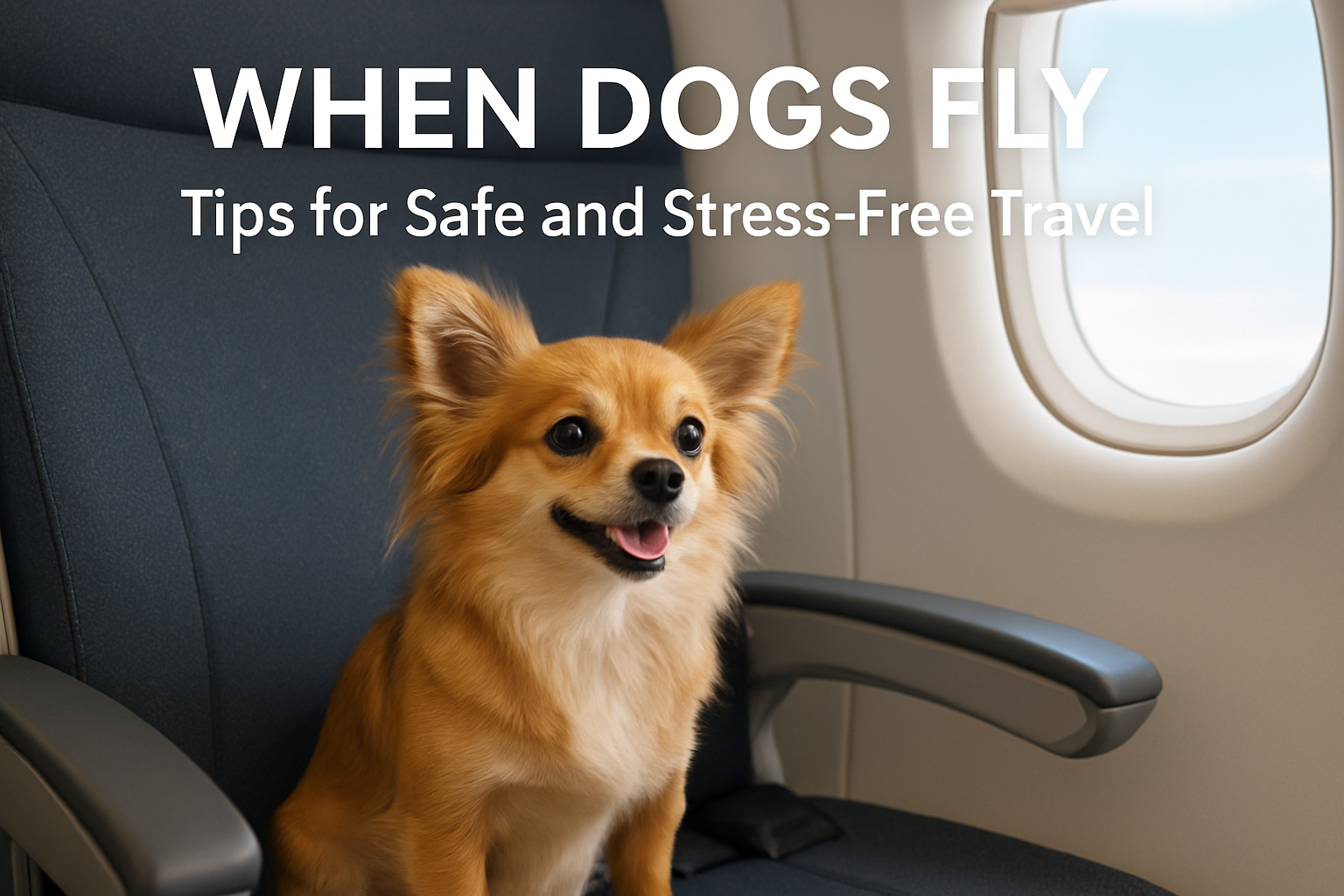
When Dogs Fly: Tips for Safe and Stress-Free Travel
⚡ TL;DR: This guide explains essential tips for ensuring safety and comfort when dogs fly.
📋 What You’ll Learn
In this comprehensive guide about when dogs fly, we’ve compiled everything you need to know. Here’s what this covers:
- Understand airline regulations – Familiarity with varying airline policies ensures a smooth travel experience.
- Master preparation techniques – Proper acclimatization and carrier selection can significantly reduce travel stress for dogs.
- Discover in-flight comfort tips – Keeping your dog hydrated and comfortable during the flight is crucial for their well-being.
- Learn post-flight care strategies – Gradual acclimatization to new environments can help ease your dog’s transition after flying.
Quick Summary & Key Takeaways
- Understanding airline regulations is crucial when dogs fly, as rules differ significantly across airlines.
- Preparation is key; from booking flights to acclimating your dog to their carrier, every step matters.
- In-flight comfort and safety can be enhanced through proper hydration and regular checks.
- Post-flight care, including gradual re-acclimatization to new environments, is essential for your dog’s well-being.
Considering the increasing frequency of pet travel, understanding what happens when dogs fly has never been more important. In fact, a survey conducted by the American Pet Products Association revealed that 37% of pet owners travel with their dogs at least once a year. This statistic underscores the growing need for dog owners to be aware of the nuances involved when dogs fly. Factors such as airline regulations, in-flight conditions, and post-arrival care can significantly impact your dog’s experience and safety.
Notably, the stress associated with flying can affect dogs differently depending on their breed and temperament. For instance, smaller breeds may adapt more easily to the confines of a carrier, while larger breeds could experience anxiety during the flight. As more pet owners opt for air travel, it becomes essential to equip oneself with actionable insights to ensure that when dogs fly, they do so with minimal stress and maximum safety.
Advanced Insights & Strategy
Fostering a comprehensive understanding of airline regulations stands as the cornerstone of successful pet travel. Each airline has its own set of guidelines regarding pet travel, often influenced by federal regulations and local laws. For instance, Delta Airlines adheres to the U.S. Department of Transportation’s rules, which mandate specific requirements for pet carriers, health certificates, and more. A meticulous review of these regulations can prevent last-minute surprises and ensure a smooth experience.
Furthermore, consider the insights from the International Air Transport Association (IATA), which emphasizes the importance of acclimating your dog to travel conditions prior to the flight. This method, often termed “desensitization,” involves introducing your dog to their travel crate well in advance. Gradual exposure to the crate can mitigate anxiety and instill a sense of comfort. The ideal timeframe for this acclimatization phase is approximately two to three weeks before the travel date.
Understanding Airline Regulations
Before embarking on any journey, a deep dive into airline policies regarding pet travel is imperative. Each airline’s regulations can differ remarkably, affecting everything from carrier dimensions to health documentation. For example, American Airlines requires a health certificate issued within ten days of travel, while Southwest Airlines has a more relaxed approach, primarily focusing on carrier size. Familiarizing oneself with these specifics is vital for a seamless travel experience.
Carrier Specifications
Most airlines require carriers to meet specific size and ventilation requirements. United Airlines, for instance, mandates that soft-sided carriers must not exceed 18 x 11 x 11 inches for in-cabin travel. Contrastingly, larger breeds may need to travel in the cargo hold, where regulations can be even stricter. Ensuring your carrier meets the airline’s requirements is a simple yet crucial step to avoid unnecessary stress.
Health Documentation
Documentation requirements can also vary substantially. For air travel, a health certificate signed by a veterinarian may be necessary, confirming that your dog is fit for travel. In a 2023 analysis by the American Veterinary Medical Association, it was noted that nearly 22% of pet owners faced issues due to incomplete documentation. To avoid these pitfalls, always consult airline-specific guidelines and seek veterinary advice well before departure.
Breed Restrictions
Some airlines impose specific breed restrictions, particularly for brachycephalic breeds like Bulldogs and Pugs, which are prone to respiratory problems. For example, Alaska Airlines prohibits these breeds from flying during extreme temperatures. Understanding these policies can save pet owners from heart-wrenching last-minute decisions.
Preparation Tips for When Dogs Fly
Preparation is the bedrock of successful pet travel. The following strategies can significantly reduce stress for both the pet and the owner.
Choosing the Right Carrier
Selecting an appropriate carrier is paramount when considering when dogs fly. Look for one that complies with the airline’s specifications and is comfortable for your dog. Airlines like JetBlue encourage the use of well-ventilated carriers, allowing your pet to see out and feel secure. The carrier should also have enough space for your dog to stand, turn around, and lie down comfortably.
Acclimating Your Dog to the Carrier
As mentioned earlier, acclimatization to the carrier is crucial. Start by placing the carrier in your home and encouraging your dog to explore it. Using treats and toys can create a positive association. This process should ideally begin two to three weeks before the flight, allowing your dog to grow accustomed to their travel environment.
Health Check and Vaccinations
Prior to travel, ensure that your dog is healthy and up-to-date on vaccinations. Many airlines require proof of vaccinations, especially rabies shots. The American Veterinary Medical Association suggests scheduling a pre-flight health check at least 10 days before departure. This proactive approach can help identify any potential health issues that might complicate travel.
In-Flight Considerations
Once the flight begins, the focus shifts to maintaining your dog’s comfort and safety during transit. Various factors contribute to a smooth in-flight experience.
Hydration and Feeding
Hydration is key during air travel. Dogs can become dehydrated quickly in the dry airplane environment. It’s advisable to provide water just before the flight. Some airlines, like Air France, recommend not feeding your dog a full meal immediately before flying to prevent nausea. Instead, a light meal a few hours prior can help.
Comfort Items
Bringing along familiar items can greatly alleviate your dog’s anxiety. Soft blankets or favorite toys can provide comfort and a sense of security. The presence of familiar scents can also help calm your pet during the flight, reducing stress levels.
Monitoring Your Dog
For those flying with pets in the cabin, regular checks are essential. Observing your dog’s behavior can help you identify signs of distress early. If your dog seems restless or anxious, talking to them in a calm voice can help soothe their nerves. For those flying with larger dogs in the cargo hold, consider contacting the airline for updates on your pet’s condition during the journey.
(adsbygoogle = window.adsbygoogle || []).push({});
Post-Flight Care for Dogs
After landing, the journey doesn’t end. Ensuring your dog transitions smoothly into their new environment is critical.
Gradual Acclimatization
Upon arrival, allow your dog time to adjust to their new surroundings. A sudden change in environment can be overwhelming, especially after a flight. Gradual exposure to new sights, sounds, and smells can facilitate a smoother transition. Walking your dog in a quiet area before introducing them to more bustling environments can help ease this adjustment period.
Monitoring Behavior
Keep a close eye on your dog’s behavior post-flight. Look for signs of stress, such as excessive barking, hiding, or refusal to eat. According to a study by the ASPCA, about 30% of pets experience anxiety after traveling. If unusual behavior persists beyond 24 hours, it may be worth consulting a veterinarian for advice.
Hydration and Nutrition
Rehydrating your dog after a flight is vital. Ensure fresh water is available immediately upon arrival, and monitor their intake. In some cases, dogs may be reluctant to eat or drink right away; patience is key. A gradual reintroduction to their regular diet can help them acclimate back to their routine.
Frequently Asked Questions About when dogs fly
What should I do if my dog has anxiety when they fly?
Managing a dog’s anxiety during flights can be achieved through gradual acclimatization to the carrier and providing comfort items. In more severe cases, consult a veterinarian about anti-anxiety medication tailored for travel.
Are there specific dog breeds that shouldn’t fly?
Yes, brachycephalic breeds like Bulldogs, Pugs, and Boxers are at higher risk of respiratory distress during flights. Many airlines have restrictions on these breeds, especially during extreme weather conditions.
How can I prepare my dog for flying if they are traveling in cargo?
Preparing a dog for cargo travel involves acclimating them to their carrier, ensuring they are comfortable, and providing proper documentation. It’s also crucial to choose a reputable airline that prioritizes pet safety.
What should I include in my dog’s travel carrier?
Your dog’s travel carrier should include a comfortable bedding, a familiar toy, and a small water dish. Ensure the carrier is well-ventilated and adheres to the airline’s requirements to avoid complications.
Can I give my dog food before the flight?
It’s advisable to offer a light meal a few hours before the flight. Avoid feeding your dog right before takeoff to decrease the risk of nausea during travel.
How do I find out my airline’s pet travel policies?
Airlines typically outline their pet policies on their official websites. It’s essential to review these guidelines in detail, as they can vary significantly between carriers.
What should I do if my dog refuses to eat after the flight?
If your dog is hesitant to eat post-flight, ensure they have access to fresh water and give them time to adjust. If refusal persists for more than 24 hours, consider consulting a veterinarian.
What are the signs that my dog is experiencing stress while flying?
Signs of stress in dogs during flights may include excessive barking, panting, or attempts to escape their carrier. Monitoring your dog’s behavior closely during travel is essential for addressing any issues promptly.
Conclusion
Understanding the intricacies of when dogs fly is vital for ensuring a positive travel experience. By preparing adequately, familiarizing oneself with airline regulations, and monitoring your dog’s behavior, pet owners can significantly reduce stress. The journey of when dogs fly doesn’t end at takeoff; it extends into post-flight care and acclimatization, underscoring the necessity for a holistic approach to pet travel.
Why Conventional Wisdom About Dog Travel May Be Misleading
Many believe that dogs are inherently adaptable to travel, but the reality is that stress can impact them significantly. The assumption that all dogs will adjust without issues can lead to neglecting essential preparations that cater to their individual needs.
The Unique Case of JetBlue’s Pet Travel Policies
JetBlue has gained a reputation for its pet-friendly policies, allowing small pets in the cabin for a fee. Their approach not only highlights the importance of comfort but also showcases how airlines can foster positive experiences for traveling pets.
The Rule of Pet Acclimatization
A fundamental rule in pet travel is to acclimatize your dog to their carrier well in advance of the flight. This simple measure can drastically reduce anxiety and ensure a smoother journey for both the pet and the owner.
Find out more information about “when dogs fly”
Search for more resources and information: