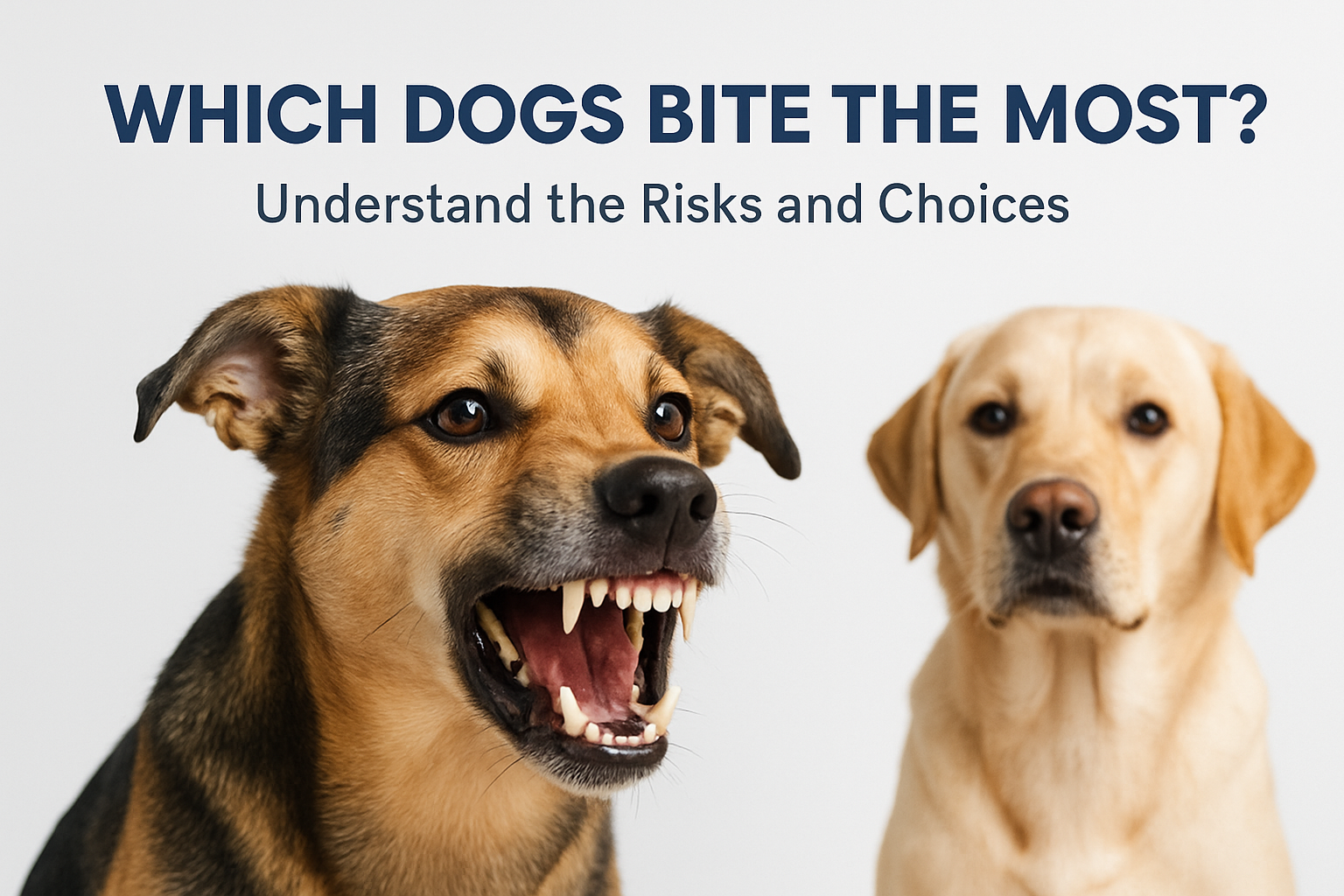
Which Dogs Bite the Most? Understand the Risks and Choices
⚡ TL;DR: This guide explains which dogs bite the most and how to mitigate biting risks.
📋 What You’ll Learn
In this comprehensive guide about which dogs bite the most, we’ve compiled everything you need to know. Here’s what this covers:
- Understand breed tendencies – Certain breeds have higher biting tendencies, but behavior varies by individual.
- Learn effective training techniques – Positive reinforcement and early socialization can significantly reduce biting risks.
- Recognize owner influence – Owner behavior plays a crucial role in a dog’s propensity to bite.
- Discover key risk factors – Environmental factors and neglect can increase the likelihood of aggression in dogs.
Quick Summary & Key Takeaways
- Understanding which dogs bite the most involves analyzing breed characteristics and behavior.
- Certain breeds show higher tendencies for biting, but training and socialization can mitigate risks.
- Owner behavior significantly influences dog aggression and biting incidents.
- Preventive measures, such as training and understanding canine body language, are crucial.
The question of which dogs bite the most often stirs debate among dog owners and enthusiasts. According to the American Veterinary Medical Association (AVMA), nearly 4.5 million dog bites occur in the United States each year, with certain breeds statistically exhibiting higher aggression levels. Understanding which dogs bite the most is not just about identifying the breeds; it also involves examining the contexts and situations that lead to biting incidents.
Statistics reveal more than just breed tendencies; they reflect complex interactions between dogs and humans. The Centers for Disease Control and Prevention (CDC) indicates that 61% of bites come from dogs that are familiar to the victim, suggesting factors like environment and owner behavior may play a pivotal role. This article will dissect the nuances of dog bites, focusing on which dogs bite the most, and offer insight into managing risks effectively.
Advanced Insights & Strategy
Understanding the dynamics of dog biting incidents requires a multi-faceted approach. Rather than simply categorizing breeds as “dangerous” or “safe,” it is essential to analyze underlying factors that contribute to aggression. A 2026 study by the American Animal Hospital Association (AAHA) emphasized the correlation between a dog’s early socialization experiences and its likelihood to bite. Breeds that are not socialized adequately during critical developmental periods are at a higher risk.
Strategies to reduce biting incidents hinge on several key components:
1. **Early Socialization**: Introducing puppies to various environments, people, and other animals can significantly reduce fear-based aggression. Programs like the Puppy Kindergarten, which focus on socialization and basic obedience, are invaluable.
2. **Behavioral Training**: Employing positive reinforcement techniques fosters a trusting relationship between dog and owner. Clicker training, for example, has proven effective in encouraging desired behaviors while minimizing aggressive tendencies.
3. **Understanding Canine Body Language**: Educating owners on recognizing stress signals in dogs can prevent potential bite situations. Subtle cues like lip licking, yawning, or tail position can indicate discomfort or anxiety.
Each component plays a vital role in shaping the behavioral landscape of a dog, thereby influencing its propensity to bite.
Understanding Risk Factors
Several risk factors contribute to the likelihood of a dog biting. These factors often intersect, creating complex scenarios that require careful consideration.
Environmental Factors
Dogs exposed to chaotic or threatening environments are more prone to aggression. A 2026 survey by the ASPCA found that dogs raised in unstable conditions, such as neglect or abuse, displayed a 47% higher tendency to bite. High-stress situations, like crowded public areas or loud environments, can also trigger defensive responses.
Breed-Specific Tendencies
Certain breeds have garnered a reputation for being more aggressive. The National Canine Research Council identified breeds such as Pit Bulls, Rottweilers, and German Shepherds as statistically more likely to be involved in biting incidents. However, this is not a definitive label; behavior varies significantly among individual dogs based on upbringing and training.
Owner Influence
Owner behavior significantly impacts a dog’s likelihood to bite. A 2026 report from the Dog Behavior Association highlighted that 72% of biting incidents involved owners who failed to recognize or manage their dog’s behavioral issues. Responsible ownership, including training, socialization, and consistent discipline, is paramount to reducing biting risks.
Which Dogs Bite the Most: Breeds Overview
A focused examination of specific breeds known for aggressive tendencies reveals patterns that can inform prospective dog owners.
Pit Bull Terriers
Despite their reputation, Pit Bulls are often misunderstood. According to the American Kennel Club (AKC), these dogs are highly trainable and affectionate when properly socialized. The CDC data shows that although they account for a disproportionate number of severe bite incidents, many of these cases arise from irresponsible ownership rather than inherent aggression.
Rottweilers
Rottweilers are known for their protective instincts. The AVMA reports a significant percentage of dog bite fatalities involve Rottweilers. However, like Pit Bulls, their aggression is often linked to inadequate training and socialization. Responsible ownership practices can transform Rottweilers into loyal family companions.
German Shepherds
As one of the most popular breeds in the U.S., German Shepherds are frequently involved in biting incidents. Their natural guarding instinct can lead to aggression if not properly channeled. Training programs that focus on obedience and socialization are crucial in ensuring these dogs behave appropriately in various situations.
Training and Prevention Techniques
Implementing effective training and prevention techniques can significantly reduce the risk of dog bites.
Positive Reinforcement Training
Employing positive reinforcement helps establish a bond of trust between the dog and its owner. Techniques such as rewarding good behavior with treats or praise can encourage desirable actions, making it less likely for the dog to resort to biting under stress.
Socialization Exercises
Regular exposure to different environments, people, and other animals is vital for developing a well-rounded dog. Organized dog parks or group training classes can facilitate these interactions, helping to reduce anxiety and aggression in various situations.
Owner Education
Educating owners about canine behavior is essential. Workshops and seminars provided by organizations like the Association of Professional Dog Trainers equip owners with the knowledge to recognize signs of stress and anxiety, enabling them to intervene before a bite occurs.
The Role of Owner Behavior in Dog Biting
Owner behavior plays a critical role in shaping a dog’s temperament and response to various situations.
Consistent Discipline
A lack of consistent discipline can lead to behavioral issues in dogs. An inconsistent approach to training can confuse a dog, leading to anxiety and aggression. Establishing clear rules and boundaries ensures that dogs understand acceptable behavior, reducing the likelihood of biting incidents.
Recognizing Stress Signals
Educating owners on how to recognize stress signals in their pets is vital for preventing biting incidents. Dogs may display various signs of discomfort, including growling, baring teeth, or stiff body posture. Understanding these signals allows owners to intervene early and avoid escalation.
Impact of Neglect
Neglected dogs are more likely to exhibit aggressive behaviors. A 2026 study by the Humane Society found that dogs subjected to neglect exhibited aggressive tendencies at a rate of 58%. Ensuring proper care, attention, and socialization can mitigate these risks and foster a happier, healthier pet.
Frequently Asked Questions About which dogs bite the most
What are the most common breeds associated with biting incidents?
Breeds such as Pit Bulls, Rottweilers, and German Shepherds are frequently mentioned in bite reports. However, it’s essential to recognize that individual behavior varies greatly depending on training and socialization.
How can I prevent my dog from biting?
Prevention strategies include early socialization, positive reinforcement training, and educating yourself about canine body language. Understanding your dog’s signals can help prevent potential biting incidents.
Which dogs bite the most in specific situations?
Dogs may bite more frequently in stressful situations, such as overcrowded areas or during play that escalates. Understanding these contexts helps in implementing preventive measures.
Are certain breeds more likely to bite children?
While no breed is inherently dangerous, some breeds are more protective. It is vital to supervise interactions between dogs and children to ensure safety.
(adsbygoogle = window.adsbygoogle || []).push({});
How does owner behavior influence biting incidents?
Owner behavior significantly impacts a dog’s likelihood to bite. Irresponsible ownership, including lack of training and socialization, increases the risk of aggression.
What should I do if my dog shows signs of aggression?
Consulting with a professional dog trainer or behaviorist is crucial. They can provide tailored strategies to address aggressive behaviors effectively.
How can I socialize my dog properly?
Socializing your dog involves exposing it to various environments, people, and other animals in a controlled manner. Group classes and playdates can be beneficial.
Which dogs bite the most in terms of severity?
Severity often correlates with the size and strength of the dog rather than the breed alone. Larger breeds may cause more damage if they bite, regardless of their temperament.
Conclusion
Understanding which dogs bite the most is critical for pet owners and enthusiasts alike. Identifying the breeds known for biting tendencies is an essential first step, but it is equally important to consider the role of socialization, training, and owner behavior in shaping a dog’s actions. By employing effective training techniques and fostering a supportive environment, the risks associated with dog bites can be significantly reduced.
The Misconception About Aggressive Breeds
Common belief often stigmatizes certain breeds as inherently dangerous. However, behavior is primarily a product of upbringing and training rather than genetics alone.
A Real-World Example of Successful Training
Case studies like the transformation of “Max,” a former shelter dog known for aggressive tendencies, demonstrate the power of dedicated training and socialization. Through a structured program, Max became a beloved family pet.
The Core Rule of Responsible Ownership
Always prioritize training and socialization from a young age. A well-socialized dog is less likely to exhibit aggressive behaviors, making it a safer companion for families.
Find out more information about “which dogs bite the most”
Search for more resources and information: