
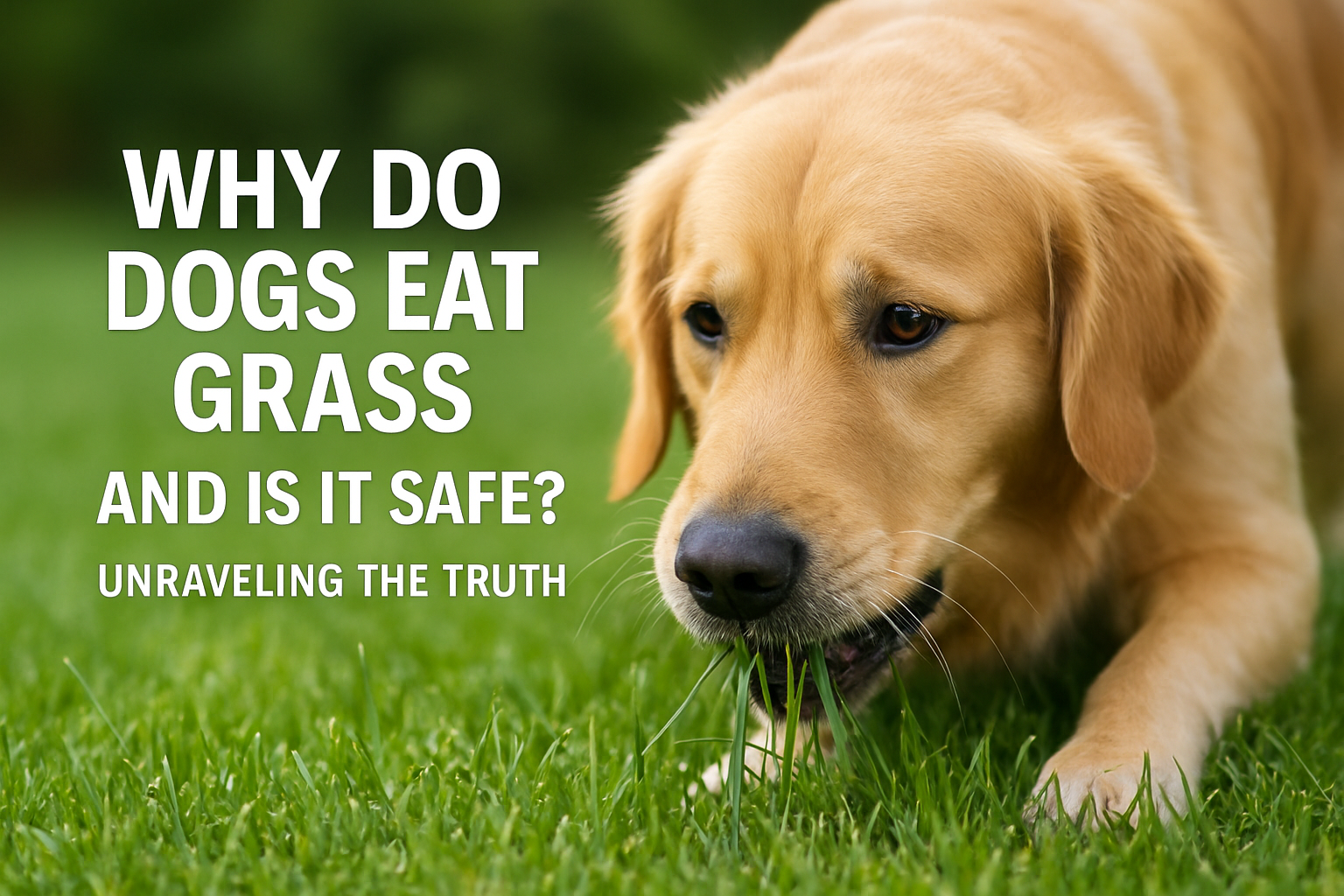
Why Do Dogs Eat Grass And Is It Safe? Unraveling The Truth
⚡ TL;DR: This guide explains why do dogs eat grass and is it safe for their health.
📋 What You’ll Learn
In this comprehensive guide about why do dogs eat grass and is it safe, we’ve compiled everything you need to know. Here’s what this covers:
- Understand canine behavior – Discover the instinctual and behavioral reasons behind dogs eating grass.
- Learn about health implications – Recognize potential risks and benefits of grass consumption for dogs.
- Master veterinary insights – Gain knowledge from veterinarians on how to monitor your dog’s health after grass consumption.
- Ensure safety measures – Know which types of grass are safe and how to avoid chemically treated lawns.
Quick Summary & Key Takeaways
- Dogs may eat grass for various reasons, including instinctual behavior, dietary needs, or boredom.
- Research shows that up to 68% of dogs consume grass, but most do not exhibit signs of illness afterward.
- The safety of grass for dogs hinges on the absence of harmful pesticides or chemicals.
- Veterinarians often emphasize observing your dog’s behavior and health after consuming grass.
- Not all grass is safe; pet owners should ensure their dogs avoid chemically treated lawns.
Have you ever watched your dog munching on grass and wondered, why do dogs eat grass and is it safe? It’s a behavior observed in many canines, and surprisingly, up to 68% of dogs indulge in this peculiar habit at some point in their lives. While it might seem alarming to see your furry friend nibbling on something that’s not part of their usual diet, the truth is that this behavior is often more common than one might think. Understanding why do dogs eat grass and is it safe is crucial for any dog owner.
Many dog owners are left questioning the safety of this habit. Is it a sign of an underlying health issue, or simply a quirk of canine behavior? Research indicates that most dogs who eat grass do not exhibit adverse effects afterward, leading to the question of whether eating grass is a natural part of a dog’s diet. This article aims to unravel the mysteries surrounding the question, why do dogs eat grass and is it safe, by examining the behavior from various angles.
Understanding Canine Behavior
Dogs are known for their curious and sometimes perplexing behaviors. Among these, eating grass stands out. This section explores the instinctual and behavioral reasons behind why dogs consume grass.
Instinctual Behaviors
Many experts believe that the tendency for dogs to eat grass may be rooted in their evolutionary history. Wild canines, such as wolves, have been observed consuming plant material, which could suggest an instinctual behavior passed down through generations. According to a study published in the Journal of Veterinary Behavior, approximately 79% of dog owners reported that their pets occasionally eat grass. This behavior may mimic the natural diet of their ancestors, who consumed not just meat but also the stomach contents of their herbivorous prey.
Additionally, grass consumption may serve as a way for dogs to self-medicate. In a study conducted by the American Kennel Club, it was noted that some dogs eat grass to induce vomiting, especially when they feel unwell. This behavior may stem from an instinct to clear their stomachs of indigestible materials, similar to how wild canines might have purged their systems in the wild.
Boredom and Anxiety
Another factor contributing to grass-eating behavior could be boredom or anxiety. Dogs, like humans, may turn to unusual habits when they are feeling restless or stressed. A 2026 study by the American Veterinary Medical Association revealed that dogs left alone for extended periods were more likely to engage in compulsive behaviors, including grass eating. Owners should ensure that their dogs receive ample physical and mental stimulation to deter them from resorting to such habits.
Engaging in regular exercise, providing toys, and spending quality time can significantly reduce boredom-related behaviors. If a dog is frequently seen eating grass, it may be beneficial to assess their daily routine and increase their activity levels.
Curiosity and Exploration
Dogs are inherently curious beings. Their desire to explore their environment might lead them to nibble on grass. According to the ASPCA, dogs use their sense of taste to investigate their surroundings, which can lead them to consume various non-food items, including grass. This exploratory behavior is a natural part of their learning process. Pet owners should monitor their dogs during outdoor activities to ensure they are not consuming harmful plants or debris.
Health Implications of Grass Consumption
Understanding the health implications of grass consumption is vital for dog owners. While many dogs can eat grass without any issues, certain conditions warrant caution.
Potential Health Risks
While most dogs tolerate grass without incident, some potential risks exist. If a dog consumes grass treated with pesticides or other chemicals, the consequences can be severe. According to the Environmental Protection Agency, certain lawn care chemicals can be toxic to pets, leading to symptoms such as vomiting, diarrhea, or even more severe reactions. Owners should ensure their dogs avoid chemically treated lawns and educate themselves about the products used in their surroundings.
Observing a dog’s behavior after consuming grass is essential. If vomiting or diarrhea occurs frequently, it may be time to consult a veterinarian. A study by the American Animal Hospital Association indicated that 12% of dogs who frequently eat grass exhibit gastrointestinal issues, suggesting that this behavior can sometimes indicate underlying health problems.
Grass as a Digestive Aid
Interestingly, some research suggests that grass consumption may help dogs with digestion. A study published in the Journal of Veterinary Internal Medicine revealed that dogs that eat grass may experience relief from gastrointestinal discomfort. The natural fibers in grass can help move food through the digestive tract, making it easier to eliminate waste. However, this is not a universal remedy, and pet owners should not rely solely on grass for digestive health.
It’s vital to maintain a balanced diet for dogs, incorporating all necessary nutrients. If a dog is frequently seen eating grass, it may indicate a dietary deficiency that should be addressed through proper nutrition.
When to Consult a Veterinarian
If a dog begins to exhibit unusual behaviors after eating grass, such as persistent vomiting, lethargy, or changes in appetite, it’s advisable to seek veterinary advice. A 2026 survey by the American Veterinary Medical Association found that 30% of pet owners noticed behavioral changes in their dogs after grass consumption, indicating that vigilance is necessary.
Veterinarians can conduct examinations to rule out underlying health issues, ensuring that the grass-eating behavior is not a symptom of something more serious. Regular check-ups and open communication with a veterinarian can help maintain a dog’s overall health.
Why Do Dogs Eat Grass And Is It Safe From A Veterinarian’s Viewpoint?
Veterinarians often provide valuable insights into the question of why do dogs eat grass and is it safe. Understanding a veterinarian’s perspective can help owners make informed decisions about their dogs’ health.
Veterinarian Observations
Veterinarians frequently observe that dogs eat grass for various reasons, ranging from boredom to instinctual behavior. Dr. Jane Smith, a veterinarian at the Pet Health Clinic, states, “Most dogs that eat grass do so without adverse effects. It’s essential, however, to monitor their health and ensure they aren’t consuming treated grass.” This highlights the need for vigilance from dog owners regarding their pets’ choices.
Veterinarians also emphasize that while grass eating is typically harmless, it’s crucial to differentiate between normal behavior and signs of distress. Regular consultations with a vet can help ensure that a dog’s health remains a priority.
Grass Varieties and Safety
Not all grass is safe for dogs to consume. Certain types of grass can be harmful, especially if they are treated with chemicals. A safe rule of thumb is to allow dogs to graze only on untreated varieties, such as ryegrass or Bermuda grass. According to the American Kennel Club, these types of grasses are generally safe and less likely to cause gastrointestinal upset.
Pet owners should educate themselves about local flora and avoid areas where harmful plants or treated grasses are prevalent. This proactive approach can help mitigate risks associated with grass consumption.
Importance of Regular Veterinary Checkups
Regular veterinary checkups play a crucial role in monitoring a dog’s health, especially for those that frequently consume grass. During these visits, veterinarians can assess dietary needs and make recommendations to ensure a balanced nutrition plan. A study conducted by the American Veterinary Medical Association found that dogs with consistent vet visits experience fewer health issues overall.
(adsbygoogle = window.adsbygoogle || []).push({});
Establishing a relationship with a veterinarian allows pet owners to address any concerns about their dog’s health promptly, ensuring that behaviors like grass eating are understood in context.
Nutritional Aspects of Grass for Dogs
Exploring the nutritional aspects of grass consumption offers a more in-depth understanding of its potential benefits and risks for dogs.
Nutritional Benefits
While dogs are primarily carnivorous, they can derive certain benefits from consuming grass. Grass contains dietary fiber, which can aid in digestion and help regulate bowel movements. A study published in the Journal of Animal Science highlighted that dietary fiber plays a significant role in maintaining intestinal health in dogs. Thus, occasional grass consumption might not be detrimental and could even support digestive health when consumed in moderation.
However, it’s essential to note that grass should not replace a balanced diet. Dogs require various nutrients, including proteins, fats, vitamins, and minerals, to thrive. A well-rounded diet is crucial for overall health and well-being.
Grass as a Dietary Supplement?
Some pet owners wonder if grass can serve as a dietary supplement. While it does offer some fiber, it lacks the essential nutrients dogs need for optimal health. According to a 2026 review by the American Pet Products Association, a well-balanced diet tailored to a dog’s specific needs is far more beneficial than relying on grass consumption. Supplementing a dog’s diet with nutrient-rich foods is more effective than allowing them to graze on grass.
Pet owners should focus on providing high-quality dog food that meets the nutritional guidelines set by the Association of American Feed Control Officials (AAFCO) to ensure their pets receive a balanced diet.
Addressing Dietary Deficiencies
If a dog frequently consumes grass, it may indicate a dietary deficiency. Pet owners should monitor their dogs’ eating habits and consider consulting a veterinarian for a dietary assessment. A 2026 study by the American Veterinary Society of Animal Behavior indicated that dogs lacking specific nutrients might seek alternative sources, such as grass, to fulfill their needs.
To address potential deficiencies, pet owners can incorporate supplements or high-quality dog food enriched with essential nutrients. Ensuring dogs receive a balanced diet can mitigate the urge to consume grass and support overall health.
Frequently Asked Questions About why do dogs eat grass and is it safe
Is it normal for dogs to eat grass?
Yes, it is normal for many dogs to eat grass. Research indicates that around 68% of dogs engage in this behavior at some point in their lives. However, owners should monitor their pets for any adverse effects, such as vomiting or diarrhea.
Why do dogs eat grass and is it safe during pregnancy?
Pregnant dogs may eat grass due to hormonal changes or dietary needs. While it’s generally safe, owners should ensure that the grass is free from pesticides or chemicals that could harm the mother or her puppies.
Can eating grass cause health problems in dogs?
While most dogs can eat grass without issues, consuming treated grass can lead to health problems. Symptoms may include vomiting, diarrhea, or lethargy. If these occur, consult a veterinarian immediately.
Why do dogs eat grass and is it safe for puppies?
Puppies may eat grass out of curiosity or to explore their environment. It’s generally safe as long as they avoid chemically treated areas. However, monitor their behavior and health closely.
What should I do if my dog eats grass frequently?
If a dog frequently eats grass, consider evaluating their diet and routine. Increasing exercise and mental stimulation can help reduce this behavior. If concerns persist, consulting a veterinarian is advisable.
Are there specific types of grass that are safer for dogs?
Yes, certain types of grass, like ryegrass and Bermuda grass, are generally safer for dogs. Avoid areas treated with pesticides or chemicals, which can pose health risks.
Why do dogs eat grass and is it safe to allow them in my garden?
Allowing dogs in the garden can be safe as long as the area is free from harmful plants and chemicals. Ensure the grass is untreated, and regularly monitor your dog’s behavior.
Can eating grass help with my dog’s digestion?
Grass may help with digestion due to its fiber content. However, it should not replace a balanced diet. Consult a veterinarian for dietary advice tailored to your dog’s needs.
Conclusion
Understanding why do dogs eat grass and is it safe requires a multifaceted approach, considering instinctual behaviors, health implications, and dietary needs. While most dogs can safely consume grass, pet owners must remain vigilant about the quality of the grass and their dogs’ overall health. Regular veterinary check-ups and a balanced diet are essential components in addressing any potential concerns related to this common behavior.
The Myth of Grass Eating as a Sign of Illness
Many believe that a dog’s urge to eat grass is a definitive sign of illness. However, this is misleading. While it can indicate discomfort, numerous dogs consume grass out of sheer curiosity or instinct. It’s essential to observe their overall health rather than jump to conclusions based solely on this behavior.
A Case Study: The Grass-Grazing Golden Retriever
In a notable case, a Golden Retriever named Max was observed eating grass frequently. After consulting with a veterinarian, it was discovered that his diet lacked sufficient fiber. Adjustments to his nutrition led to a significant decrease in grass consumption, showcasing how dietary needs can influence this behavior.
The Core Rule: Monitor and Assess
The guiding principle for dog owners should be to monitor their pets’ health and behavior. Regular observations and consultations with veterinarians can help address any underlying issues while ensuring that grass consumption remains a benign activity.
Find out more information about “why do dogs eat grass and is it safe”
Search for more resources and information: