What Dogs Have Curly Tails? Explore Breeds That Twirl!
⚡ TL;DR: This guide explains what dogs have curly tails, highlighting breeds, genetics, and health considerations.
📋 What You’ll Learn
In this comprehensive guide about what dogs have curly tails, we’ve compiled everything you need to know. Here’s what this covers:
- Learn about popular breeds – Discover breeds such as Basenji, Akita, and Shiba Inu that exhibit curly tails.
- Understand the genetics – Explore the genetic factors that contribute to the curly tail feature in dogs.
- Master health considerations – Recognize potential health issues associated with curly tails specific to various breeds.
- Discover historical context – Gain insights into how curly tails have evolved alongside specific dog breeds and their roles.
Quick Summary & Key Takeaways
- Curly tails are a unique feature of several dog breeds, often linked to specific genetic traits.
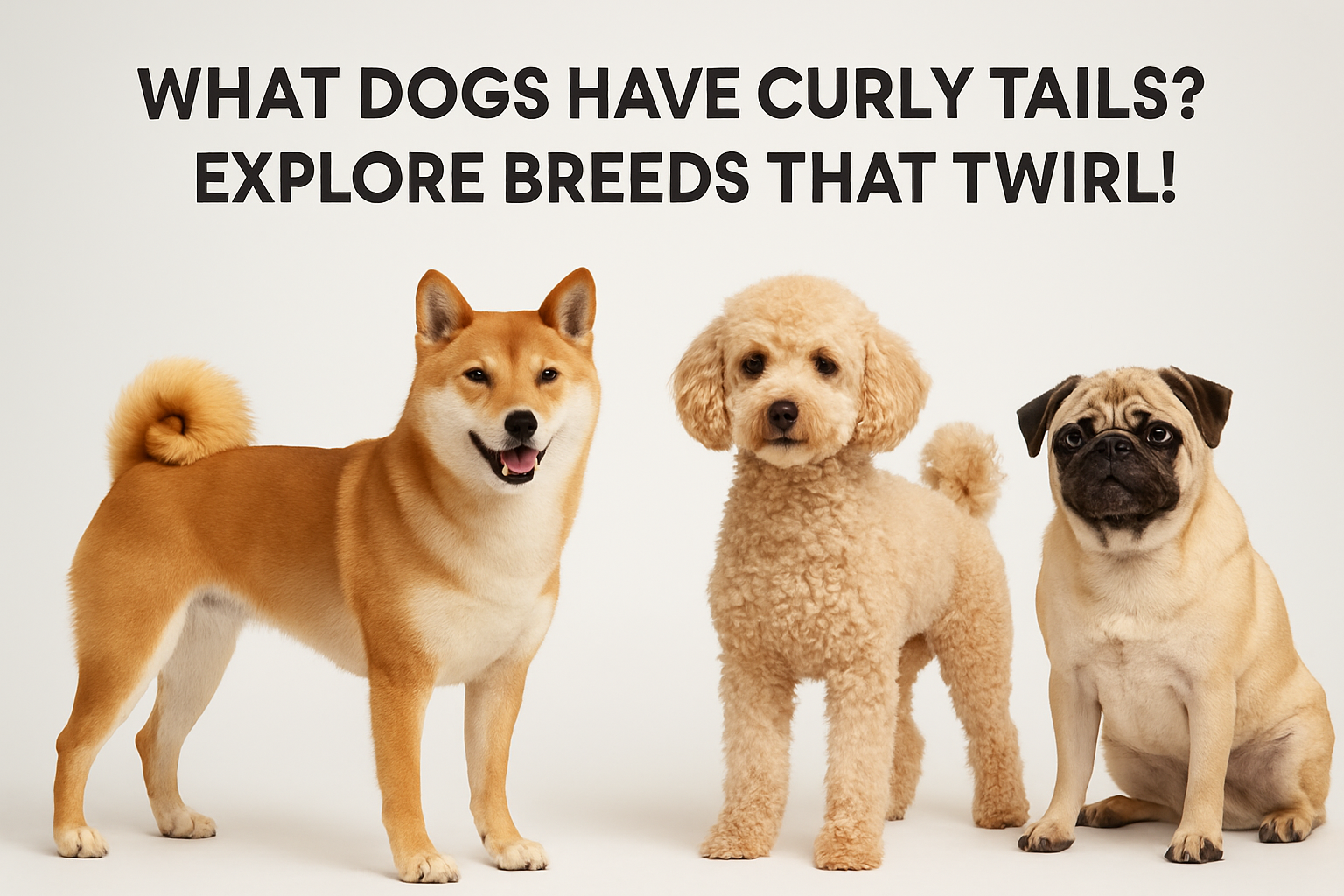
- Breeds such as the Basenji, Akita, and Shiba Inu are known for their distinctive curly tails.
- Understanding the genetics behind curly tails can help in recognizing breed-specific characteristics.
- Health issues associated with curly tails vary by breed and require attentive care from dog owners.
- Curly tails can indicate specific behavioral traits, adding to a dog’s charm and personality.
Curly tails have a captivating allure, often seen as an endearing characteristic of certain dog breeds. The question of what dogs have curly tails leads to a fascinating exploration of canine genetics, breed traits, and even behavioral tendencies. Breeds with curly tails often exhibit a distinct, playful demeanor, making them popular among dog lovers. Curly tails are not just aesthetically pleasing; they can also provide insights into a dog’s temperament and health considerations.
Understanding what dogs have curly tails opens a window into the diverse world of canine breeds. Many of these breeds are steeped in history, with origins tracing back to specific regions known for their unique dog culture. The evolution of these breeds often correlates with their curly tails, which serve various functions, from signaling emotions to adapting to environmental conditions. This article will delve into the breeds known for their curled tails, the genetics that contribute to this trait, and the health implications for these furry companions.
Advanced Insights & Strategy
Understanding the genetic underpinnings of curly tails provides a strategic advantage for breeders and dog owners alike. A significant aspect of canine genetics is the interaction between dominant and recessive genes. Research from the American Kennel Club indicates that certain breeds, such as the Basenji, have inherited curly tails due to a specific mutation in the gene responsible for tail formation. This mutation is dominant, meaning it can easily be expressed in offspring, thus allowing breeders to select for this characteristic.
Additionally, breeding strategies can be formulated based on the knowledge of curly tail genetics. For example, when considering a breeding program for a breed like the American Eskimo Dog, understanding the traits associated with curly tails can help in predicting litter outcomes. Breeders may utilize genetic testing to identify carriers of the curly tail gene, enhancing the likelihood of producing desirable traits in future generations.
Incorporating this knowledge into breeding programs not only ensures the continuation of unique breed characteristics but also enhances the overall health and temperament of the dogs. Breeders who understand what dogs have curly tails are better equipped to make informed decisions that prioritize the well-being of their dogs while preserving breed integrity.
Understanding Curly Tails in Dogs
Curly tails are a distinguishing feature among several dog breeds, reflecting not just aesthetics but also a rich history of purpose and adaptation. The shape and structure of a dog’s tail can indicate its breed, function, and even its emotional state. For instance, a tightly curled tail often signifies a breed that has been historically bred for specific tasks, such as herding or hunting.
The genetic mechanism behind curly tails involves the interaction of multiple genes. Research published in the journal *Animal Genetics* highlights that certain breeds possess a mutation in the fibroblast growth factor 20 (FGF20) gene, which plays a crucial role in tail development. This mutation leads to the characteristic curl observed in breeds like the Basenji and the Shiba Inu. The specific curl can vary significantly between breeds, contributing to the unique identity of each breed.
Understanding what dogs have curly tails is not only about appreciating their beauty but also about recognizing the evolutionary adaptations that these dogs have undergone. The tail often acts as a communication tool, aiding in expressing emotions such as excitement or anxiety. For example, a dog with a curly tail may wag it more energetically when happy, while a low-hanging curly tail can indicate submission or fear.
Tail Structure and Function
The structure of a dog’s tail serves multiple functions beyond mere aesthetics. In breeds with curly tails, such as the Akita, the tail acts as a balancing tool while running or making sharp turns. This is particularly beneficial for working breeds that require agility and speed. Additionally, the tail can aid in communication, helping to convey a dog’s feelings to other animals and humans alike.
Notably, the tail’s curvature can also affect a dog’s ability to perform certain tasks. A tightly curled tail might be excellent for signaling, but it could also obstruct certain movements. For instance, dogs like the Pug, with their distinct curly tails, are often seen as companions rather than working dogs. Their tail shape has no significant impact on their physical capabilities but adds to their charm as companion animals.
Understanding the functional aspects of curly tails enriches the appreciation of these breeds. Tail shape and movement contribute to a dog’s overall personality, making them not only adorable but also dynamic companions.
Historical Context of Curly Tails
Historically, the presence of a curly tail was often linked to specific working roles within canine breeds. For example, in ancient Japan, the Shiba Inu was bred for hunting small game. The curly tail, which could be a distinct marker of breed characteristics, also served a practical purpose in signaling to hunters. In Nordic countries, the curly tails of breeds like the Norwegian Elkhound helped in identifying these dogs in the snowy terrain, distinguishing them from other breeds.
As cultures evolved, so did the perception of dogs with curly tails. The Basenji, known as the “barkless dog” of Africa, has a tightly curled tail that serves as a hallmark of its breed. This tail shape is not just a genetic anomaly; it reflects centuries of breeding practices aimed at preserving the dog’s hunting and companionship qualities.
The historical significance of curly tails adds depth to the understanding of what dogs have curly tails. Each breed’s unique history offers insights into their behavior, training needs, and compatibility with human lifestyles.
Popular Breeds With Curly Tails
Several dog breeds are celebrated for their curly tails, each bringing its unique flair and personality. While the visual appeal is evident, these breeds also come with specific traits that make them distinct companions.
The Basenji
The Basenji, often referred to as the “barkless dog,” is a unique breed originating from Central Africa. Characterized by its tightly curled tail and expressive demeanor, the Basenji is known for its intelligence and independence. It has a reputation for being clean and relatively easy to train, although it can exhibit stubbornness.
This breed’s curly tail serves a practical purpose as well. In the wild, the curl helps the Basenji maintain balance while navigating through dense foliage in its native habitat. The curl also acts as a communication tool, with its position indicating the dog’s mood.
Owning a Basenji requires understanding its energy levels. These dogs are known for their playful nature and need regular exercise to stay content. They thrive in environments where they can explore and play, making them ideal for active families.
The Shiba Inu
The Shiba Inu is a well-known breed, particularly popular in modern society due to its fox-like appearance and charming personality. This breed features a curled tail that sits high on its back, adding to its distinctive look. Shiba Inus are known for their spirited nature and can be quite vocal, often using a unique sound known as the “Shiba scream” to express their feelings.
Historically, Shiba Inus were used for hunting small game in Japan. Their curly tails were not just a physical trait but also a part of their functionality as hunting companions. They are intelligent and require consistent training and socialization to thrive in a home environment.
Potential owners should be aware of the Shiba Inu’s independent streak. While they can be affectionate, they also value their autonomy, making early training and socialization vital.
The Akita
The Akita, a breed known for its loyalty and protective nature, features a distinctive curled tail that further defines its majestic appearance. Originating from Japan, the Akita has a rich history as a companion and hunting dog. The tail, which curls over the back, is a breed standard that adds to its regal stature.
Akitas are known for their strong-willed and intelligent nature. They require firm, consistent training and early socialization to prevent any behavioral issues. Their protective instincts make them excellent watchdogs, but potential owners must be prepared for their independent personalities.
The curly tail of the Akita serves both aesthetic and functional purposes. It signifies health and vitality, with a well-formed curl indicating a happy and healthy dog. This breed’s striking appearance combined with its loyal temperament makes it a favorite among dog enthusiasts.
The Genetics of Curly Tails
The curly tail in dogs is a fascinating genetic trait that can provide insights into breed behaviors and health. Understanding the genetic basis for curly tails can help breeders make informed decisions and assist dog owners in recognizing potential health issues.
Genetic Factors Behind Curly Tails
Research indicates that the presence of a curly tail is influenced by a combination of dominant and recessive alleles. The gene responsible for tail formation, particularly the FGF20 gene, plays a crucial role in determining tail shape. For instance, in breeds like the Basenji and Shiba Inu, the curly tail is a dominant trait that can be expressed even when paired with a non-curly tail breed.
A study published in the *Journal of Heredity* elaborated on how genetic markers can be used to predict tail shapes among different breeds. This understanding helps breeders maintain breed standards while also considering the health implications associated with certain genetic traits.
For dog owners, recognizing the genetic basis of their pet’s tail can help in understanding their behavior and health. Breeds known for curly tails are often more prone to specific health issues, such as spinal deformities, which may arise due to the genetic mutations associated with tail formation.
The Role of Genetic Testing
Genetic testing has become an invaluable tool in modern dog breeding. This technology allows breeders to identify carriers of specific traits such as curly tails, providing a clearer picture of what to expect in future litters. Organizations like the Dog DNA Test Center offer comprehensive testing that can reveal genetic predispositions for various traits, including tail shape.
By utilizing genetic testing, breeders can make informed decisions that prioritize not only the appearance of the dog but also its overall health and temperament. This proactive approach can contribute to reducing the occurrence of genetic health problems associated with curly tails.
For dog owners, genetic testing can offer peace of mind regarding their dog’s health. Understanding the genetic background of a dog with a curly tail can illuminate potential health risks, enabling owners to take preventive measures.
Health Considerations for Dogs With Curly Tails
While curly tails can be a charming trait, they may also come with specific health considerations that owners should be aware of. Understanding these issues can help ensure the long-term well-being of dogs with this characteristic.
Common Health Issues Associated With Curly Tails
Certain breeds with curly tails may be predisposed to specific health issues. For instance, the Basenji can be susceptible to conditions like Fanconi syndrome, which affects kidney function. Similarly, the Akita may experience hip dysplasia, a genetic condition that can lead to joint pain and mobility issues.
It’s crucial for owners to be aware of the common health issues associated with their breed. Regular veterinary check-ups and a keen eye for behavioral changes can help in early detection and management of these conditions. The American Veterinary Medical Association recommends establishing a routine health care plan that includes vaccinations, dental care, and regular screenings for breed-specific health issues.
Understanding what dogs have curly tails and their associated health risks allows owners to provide better care for their dogs. Knowledge about potential health concerns can lead to proactive measures that enhance a dog’s quality of life.
Preventive Care for Dogs With Curly Tails
Preventive care is essential for maintaining the health of dogs with curly tails. Regular exercise, a balanced diet, and routine veterinary visits are fundamental components of a solid health strategy. Each breed may have unique dietary needs, and understanding these can help in preventing obesity and related health issues.
Moreover, grooming plays a vital role in the health of dogs with curly tails. Maintaining proper coat care reduces the risk of skin problems and ensures comfort. Breeds like the Pug, which has a soft, curly tail, require regular grooming to prevent matting and skin irritations.
Implementing a preventive care plan not only prolongs a dog’s life but also enhances the bond between the dog and its owner. Regular interaction during grooming and exercise strengthens this relationship, creating a happier, healthier pet.
Monitoring Behavioral Changes
Behavioral changes can often signal underlying health issues in dogs. For breeds with curly tails, monitoring behavior is particularly important. A sudden change in activity level, appetite, or social interaction can indicate health concerns that require immediate attention.
For example, if an Akita suddenly becomes less active or shows reluctance to engage in play, it may be experiencing joint pain or discomfort. Observing these changes and consulting with a veterinarian can lead to early diagnosis and treatment, significantly improving the dog’s quality of life.
Additionally, understanding breed-specific behaviors can aid in recognizing normal versus problematic behavior. Owners of dogs with curly tails should familiarize themselves with their pet’s typical behavior patterns, enabling them to better identify and address potential health issues.
Frequently Asked Questions About what dogs have curly tails
What breeds are commonly known for having curly tails?
Several breeds are recognized for their curly tails, including the Basenji, Shiba Inu, Akita, and Pug. Each of these breeds exhibits unique traits and characteristics associated with their curly tails, contributing to their overall appearance and behavior.
How do curly tails affect a dog’s health?
Curly tails can be associated with specific health concerns depending on the breed. For instance, breeds like the Akita may be prone to hip dysplasia, while Basenjis can face kidney issues. Regular veterinary care and awareness of breed-specific health risks are essential for maintaining a dog’s well-being.
Are there any behavioral traits linked to dogs with curly tails?
Yes, dogs with curly tails often exhibit specific behavioral traits. For example, breeds like the Basenji are known for their independence and intelligence, while Shiba Inus may show a spirited and vocal nature. Understanding these traits can help owners better manage their dogs’ behaviors.
What steps can I take to care for a dog with a curly tail?
Caring for a dog with a curly tail involves regular grooming, a balanced diet, and routine veterinary check-ups. Preventive care is key to avoiding health issues. Additionally, monitoring for behavioral changes can help detect potential health problems early.
Do all dogs with curly tails have the same tail shape?
No, the shape of curly tails can vary significantly among breeds. For example, the Basenji has a tightly curled tail, while the Akita’s tail has a more pronounced curl. Each breed’s tail shape is influenced by its genetic makeup and historical purpose.
(adsbygoogle = window.adsbygoogle || []).push({});
What dogs have curly tails that are suitable for families?
Several breeds with curly tails are family-friendly, including the Shiba Inu and Pug. Both breeds are known for their playful nature and adaptability to family environments. However, consistent training and socialization are essential to ensure a harmonious relationship.
Can curly tails be a sign of health issues in dogs?
Curly tails themselves are not necessarily a sign of health issues, but they can be associated with certain genetic conditions in specific breeds. Regular health screenings and awareness of breed-specific health risks are crucial for maintaining a dog’s health.
How can I identify if my dog has a curly tail?
To identify if your dog has a curly tail, observe the tail’s shape and position. A curly tail typically curls over the dog’s back. If you’re unsure about your dog’s breed or tail characteristics, consulting with a veterinarian or breed expert can provide clarity.
Conclusion
Understanding what dogs have curly tails offers valuable insights into canine genetics, breed characteristics, and health considerations. Breeds like the Basenji, Akita, and Shiba Inu not only showcase this charming trait but also embody the rich history and purpose behind their unique physical features. Owners should remain vigilant about health risks associated with curly tails, ensuring their furry companions lead happy, healthy lives.
Why Curly Tails Are Not Just Aesthetic
Many believe that curly tails are merely a charming feature, but they often reflect deeper genetic and behavioral traits. This characteristic can signal a dog’s emotional state, making it an essential aspect of canine communication.
A Real-World Look at Curly Tails
The Basenji’s curly tail, which has fascinated dog enthusiasts for generations, serves as both a hallmark of its breed and a critical evolutionary adaptation for its survival in the African wilderness.
Prioritize Knowledge of Canine Genetics
Understanding the genetic factors behind traits like curly tails can help dog owners make informed decisions that prioritize their pet’s health and well-being. A proactive approach to canine genetics leads to healthier, happier dogs.
Find out more information about “what dogs have curly tails”
Search for more resources and information: