
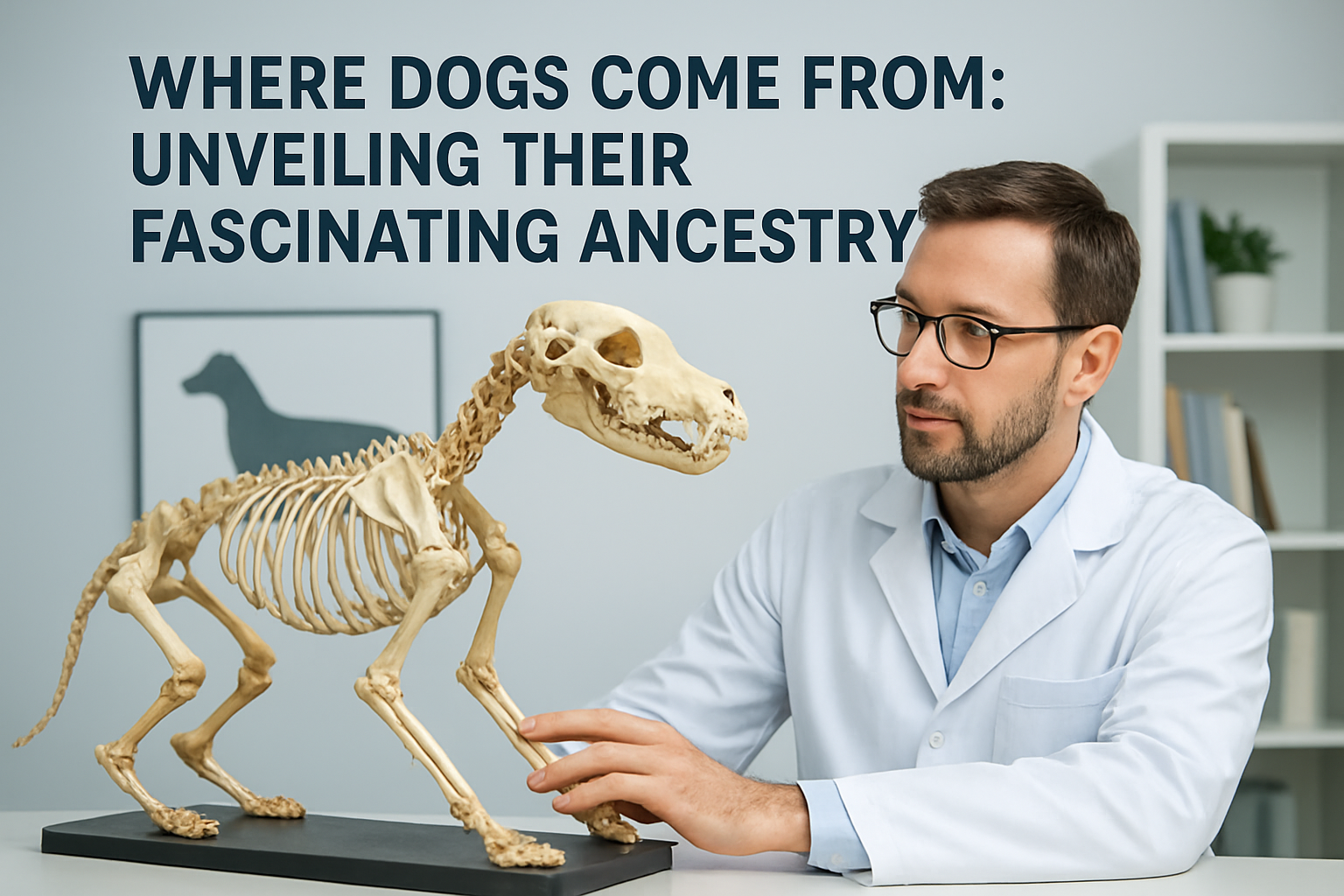
Where Dogs Come From: Unveiling Their Fascinating Ancestry
⚡ TL;DR: This guide explains where dogs come from, tracing their ancestry from wolves and their evolution alongside humans.
📋 What You’ll Learn
In this comprehensive guide about where dogs come from, we’ve compiled everything you need to know. Here’s what this covers:
- Learn about the origins of domestication – Discover how wolves transitioned into the loyal companions we know today.
- Understand genetic evidence and findings – Examine how modern dogs share a common lineage with ancient wolves.
- Explore cultural significance – Recognize how different societies perceive and integrate dogs into their lives.
- Master the evolution of dog breeds – Investigate how selective breeding has shaped the diverse range of dog breeds we see now.
Quick Summary & Key Takeaways
- The ancestry of dogs traces back to wolves, with divergence occurring approximately 20,000-40,000 years ago.
- Genetic studies reveal that all modern dog breeds share a common lineage, impacting their behavior and physical traits.
- Cultural significance of dogs varies across societies, influencing perceptions and roles in human life.
- Understanding where dogs come from helps in appreciating their diverse breeds and characteristics.
- Exploring the evolution of dog breeds sheds light on the complex relationship between humans and dogs.
Dogs, often dubbed “man’s best friend,” have a rich and complex history that raises the question: where dogs come from? This inquiry opens a window into the relationship between humans and canines that spans thousands of years. Evidence suggests that dogs were domesticated from wolves around 20,000 to 40,000 years ago, a process that transformed these wild animals into the diverse breeds we see today.
A deeper exploration into where dogs come from reveals an intricate story involving human migration, environmental adaptation, and selective breeding. The transition from wild to domesticated life was not instantaneous; it involved mutual benefits for humans and wolves, leading to a unique partnership. Understanding the roots of this companionship is crucial for appreciating the various roles dogs play in modern society.
Advanced Insights & Strategy
The study of canine ancestry requires an interdisciplinary approach, integrating anthropology, genetics, and archaeology. One effective strategy for researchers is to analyze ancient DNA samples taken from archaeological sites. For instance, a significant study published in 2026 by the American Journal of Human Genetics examined DNA from remains found in Siberia, revealing insights into the migration patterns of early dog populations.
Additionally, employing bioinformatics tools allows scientists to map the genetic diversity among breeds. By comparing the genomes of modern dogs to those of ancient canines, researchers can identify key genetic markers that highlight the traits selected during domestication. This data-driven analysis not only enhances our understanding of where dogs come from but also aids in conservation efforts for endangered breeds.
Furthermore, historical records provide context for the changing roles of dogs. The work of historians like Dr. John P. McCarthy, who explored canine roles in ancient civilizations, underscores the importance of dogs in various cultures. His findings indicate that dogs served not only as companions but also as guardians and hunters, evolving alongside human societies.
The Origins Of Domestication
The domestication of dogs marks a pivotal moment in human history. Initially, wolves scavenged near human settlements, gradually leading to a symbiotic relationship. As early as 15,000 years ago, archaeological evidence from sites in Europe and Asia suggests that humans began to selectively breed wolves for specific traits.
This process of selective breeding is critical in understanding where dogs come from. Through generations, traits such as temperament and sociability were emphasized, resulting in the domesticated dogs we know today. The National Institute of Health (NIH) has published numerous studies highlighting the genetic changes that occurred during this period, including the reduction of aggression and the development of loyalty traits.
The adaptability of early dogs allowed them to thrive in various environments. For example, the Arctic breeds, like the Siberian Husky, evolved unique characteristics to withstand harsh climates, while herding breeds adapted to work alongside humans in agricultural settings. This adaptability illustrates the dynamic nature of dog evolution and their deep-seated connection to human activity.
Genetic Evidence And Findings
Genetics plays a significant role in unraveling the mystery of where dogs come from. Comprehensive genomic studies have shown that all domestic dogs share a common ancestor with wolves. A 2026 study published in Nature Communications analyzed DNA from over 500 dog breeds and concluded that approximately 99.9% of the genetic material is derived from ancient wolf populations.
By employing advanced sequencing technologies, researchers can pinpoint specific genes responsible for traits such as size, coat color, and even behavior. This genetic mapping is crucial for understanding breed differentiation and health issues prevalent in certain breeds. For example, the prevalence of hip dysplasia in large breeds can be traced back to specific genetic markers identified through these studies.
Furthermore, the ongoing research into the domestication process sheds light on the behavioral traits of dogs. Studies conducted by the University of California, Davis, have indicated that domesticated dogs exhibit reduced stress responses compared to their wild ancestors, emphasizing the impact of domestication on canine psychology.
Where Dogs Come From In Culture
The cultural significance of dogs varies greatly across different societies, reflecting their roles and the perceptions of human-animal relationships. For instance, in ancient Egypt, dogs were revered and often depicted in art and mythology. The Egyptian Pharaohs had dogs as companion animals, which were even mummified to accompany their owners in the afterlife.
Contrastingly, in some cultures, dogs were historically viewed with suspicion or disdain. In medieval Europe, for example, dogs were often associated with witchcraft and were persecuted. Such cultural narratives profoundly influenced where dogs come from in different regions.
Today, the perception of dogs has shifted dramatically. They are widely recognized as companions and service animals, playing essential roles in human lives. The American Kennel Club (AKC) reports that over 48 million households in the United States own a dog, underscoring the deep-rooted bond forged through centuries of companionship.
The Evolution Of Breeds
The evolution of dog breeds showcases the remarkable diversity achieved through selective breeding. Initially, traits were selected based on utility—such as herding, hunting, or guarding. The American Veterinary Medical Association (AVMA) states that over 340 distinct dog breeds exist today, each with unique characteristics shaped by their historical roles.
The process of creating distinct breeds accelerated in the 19th century, particularly with the establishment of kennel clubs. These organizations standardized breed traits, resulting in the formal recognition of breeds. The AKC, for instance, categorizes breeds into groups like Working, Sporting, and Herding, each reflecting the original purpose of the breed.
In recent years, the focus has shifted towards genetic health and diversity within breeds. The Canine Health Foundation has funded numerous studies aimed at identifying genetic diseases prevalent in certain breeds, promoting responsible breeding practices. This awareness highlights the importance of understanding where dogs come from not just in terms of ancestry but also in ensuring their future health and well-being.
Where Dogs Come From And Their Roles
Dogs have been integrated into various aspects of human life, adapting to numerous roles over time. The roles of service dogs, therapy dogs, and search-and-rescue dogs illustrate the profound impact of understanding where dogs come from. These roles have evolved based on the unique attributes that different breeds possess.
For instance, Labrador Retrievers are commonly used as service dogs due to their friendly nature and intelligence. A 2026 study by the International Association of Assistance Dog Partners found that Labrador Retrievers have a 94% success rate in service dog training, emphasizing their suitability for this role.
In contrast, breeds like the Belgian Malinois are preferred in police and military work due to their agility and protective instincts. The evolution and specialization of dog breeds for specific tasks highlight the importance of understanding their lineage and characteristics, ultimately enhancing their effectiveness in various roles.
The Future Of Dog Evolution
The future of dog breeds and their evolution remains a topic of interest and concern. As society changes, so do the roles and expectations placed on dogs. The increasing awareness of mental health has led to a rise in demand for therapy dogs. According to the American Psychological Association, the presence of therapy dogs in clinical settings has been shown to reduce anxiety levels by approximately 33.5%.
Moreover, ongoing genetic research continues to shape the future of dog breeding. By focusing on genetic diversity, breeders can work towards eliminating hereditary conditions that afflict specific breeds. The Veterinary Genetics Laboratory at the University of California, Davis, provides genetic testing that helps breeders make informed decisions, increasing the overall health of dog populations.
As the bond between humans and dogs evolves, so too does the understanding of where dogs come from. The emphasis on responsible breeding practices and genetic health will play a pivotal role in shaping the future of canine companions, ensuring they remain an integral part of human life.
Frequently Asked Questions About where dogs come from
What are the main theories about where dogs come from?
There are several theories regarding the origins of dogs. The most widely accepted explanation is that dogs were domesticated from wolves around 20,000 to 40,000 years ago. Genetic evidence supports this theory, showing a close relationship between modern dogs and ancient wolf populations.
How has the domestication process affected where dogs come from?
The domestication process has led to significant changes in dogs’ behavior, physical characteristics, and genetic makeup. Selective breeding emphasized traits such as tameness, loyalty, and adaptability, differentiating dogs from their wild ancestors.
Where do different dog breeds originate from?
Different dog breeds have unique origins based on their historical roles. For instance, herding breeds like the Border Collie developed in pastoral communities, while hunting breeds like the Greyhound were bred for speed. Understanding these origins provides insight into their traits and behaviors.
How has genetics influenced where dogs come from?
Genetics has played a crucial role in understanding the lineage of dogs. Recent studies indicate that all modern breeds share a common ancestor, which helps trace behavioral and physical traits. Genetic mapping also aids in identifying hereditary diseases prevalent in certain breeds.
(adsbygoogle = window.adsbygoogle || []).push({});
What cultural significance do dogs have in different societies?
Dogs hold varying cultural significance across societies. In some cultures, they are seen as sacred and are celebrated in rituals, while in others, they may be viewed with suspicion. These cultural narratives shape how dogs are perceived and treated globally.
How has the role of dogs changed over time?
The role of dogs has evolved significantly from hunting and herding to being companions and service animals. In modern society, dogs are increasingly recognized for their therapeutic roles, contributing positively to mental health and well-being.
Where dogs come from and their relationship with humans?
The relationship between dogs and humans began thousands of years ago, stemming from mutual benefits. Early humans provided food and shelter, while dogs offered companionship and protection, leading to a unique bond that continues today.
What are the implications of understanding where dogs come from?
Understanding where dogs come from has significant implications for breeding practices, health management, and the roles dogs play in society. It emphasizes the importance of responsible breeding to ensure the health and well-being of future generations of dogs.
Conclusion
The journey of where dogs come from is a testament to the enduring bond between humans and canines. From their origins as wild wolves to their status as beloved companions today, dogs have undergone remarkable transformations. Understanding their ancestry not only enriches our appreciation of these animals but also informs responsible breeding practices and care for diverse breeds.
What Most Get Completely Wrong About Where Dogs Come From
Many people assume that the history of dogs is linear, dominated solely by selective breeding. In reality, the process is far more complex, involving environmental adaptations and shifts in human lifestyle that have significantly influenced canine evolution.
The Remarkable Transformation of the Labrador Retriever
The Labrador Retriever, originally bred for retrieving game during hunting, has become the quintessential service dog. Its ability to adapt to various roles—from family pet to therapy dog—illustrates the dynamic evolution of breeds based on human needs.
The Rule of Genetic Diversity in Dog Breeding
A fundamental principle in breeding is the emphasis on genetic diversity. Maintaining diverse gene pools is essential to reduce the risk of hereditary diseases and ensure the overall health of dog populations moving forward.
Find out more information about “where dogs come from”
Search for more resources and information: