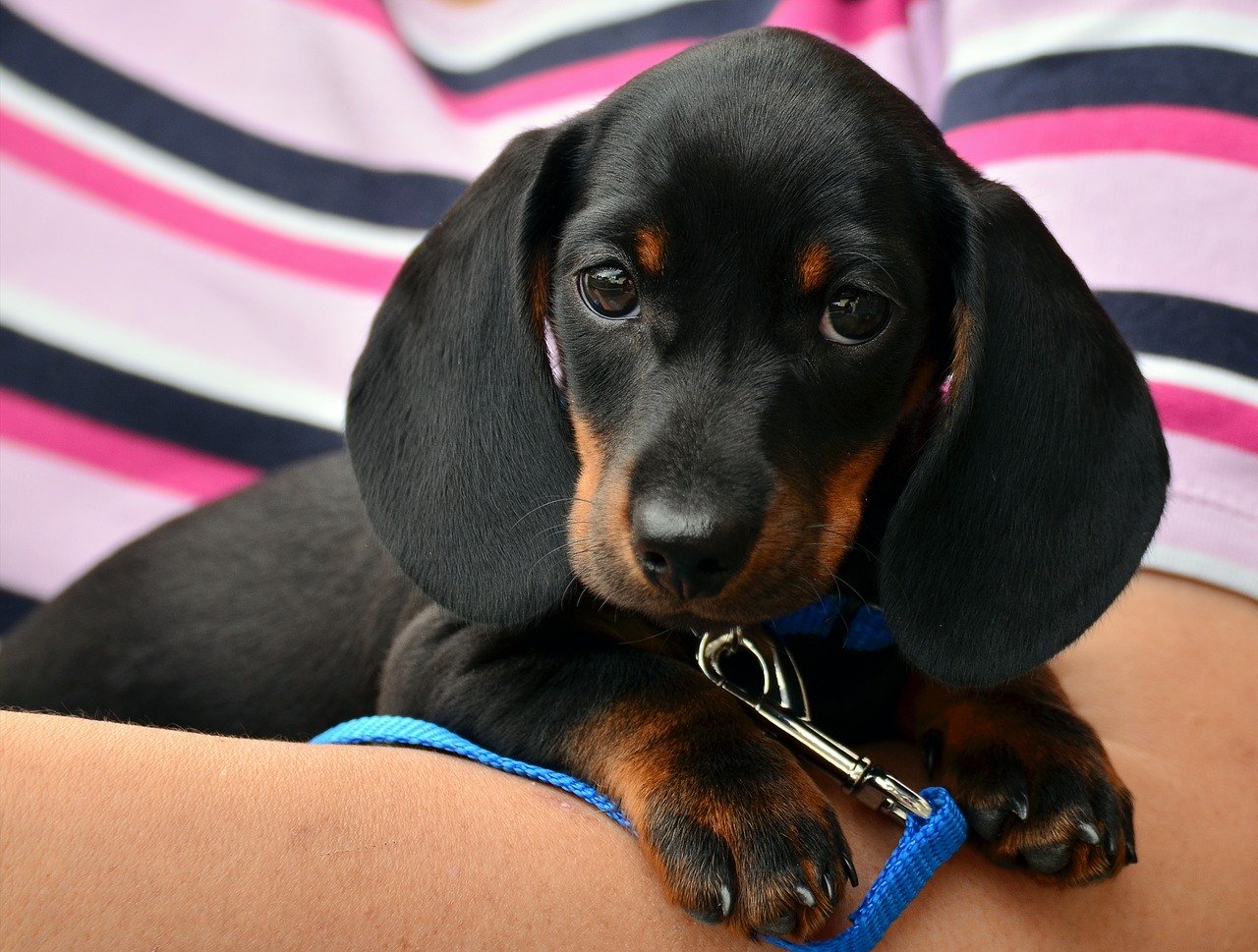

Which Dogs Are Hypoallergenic? Discover Your Perfect Pet Match
⚡ TL;DR: This guide explains which dogs are hypoallergenic, helping allergy sufferers find the perfect pet match.
📋 What You’ll Learn
In this comprehensive guide about which dogs are hypoallergenic, we’ve compiled everything you need to know. Here’s what this covers:
- Learn about hypoallergenic breeds – Discover popular breeds like Poodles, Bichon Frises, and Schnauzers that produce fewer allergens.
- Understand the science of dog allergies – Gain insights into how dog saliva, urine, and dander contribute to allergic reactions.
- Master grooming and care tips – Explore essential grooming routines to minimize allergens in your home.
- Discover environmental management strategies – Implement effective cleaning and air purification methods to reduce allergen levels.
Quick Summary & Key Takeaways
- Hypoallergenic dogs produce fewer allergens, making them suitable for allergy sufferers.
- Popular hypoallergenic breeds include Poodles, Bichon Frises, and Schnauzers.
- The concept of hypoallergenic breeds is often misunderstood; no dog is completely allergen-free.
- Regular grooming and cleaning can significantly reduce allergen levels in homes with dogs.
- Understanding the science behind dog allergies is crucial for potential pet owners.
The search for the right canine companion often leads to the crucial question: which dogs are hypoallergenic? For many, dog ownership is a dream that can be thwarted by allergies. According to the Asthma and Allergy Foundation of America, approximately 10% to 20% of the population suffers from pet allergies, which can make the journey to finding a suitable pet daunting. Fortunately, certain dog breeds are known for producing fewer allergens, providing hope for many aspiring dog owners.
Understanding which dogs are hypoallergenic can significantly improve the quality of life for allergy sufferers. These breeds typically produce lower amounts of dander, saliva, and urine, all of which can trigger allergic reactions. However, it’s important to note that “hypoallergenic” does not mean “allergen-free.” As such, potential dog owners must consider various factors before making a choice.
Advanced Insights & Strategy
When considering which dogs are hypoallergenic, it’s essential to adopt a comprehensive approach that encompasses not only breed selection but also environmental management and grooming practices. A strategic framework involves evaluating both the unique characteristics of hypoallergenic breeds and the lifestyle of the prospective owner.
1. **Breed Characteristics**: Breeds like the Poodle and Maltese have hair rather than fur, which can trap allergens and prevent them from becoming airborne. These breeds often require regular grooming to manage their coats and minimize allergens effectively.
2. **Environmental Considerations**: The home environment plays a pivotal role in managing allergies. Utilizing air purifiers, vacuuming with HEPA filters, and maintaining a clean living space can dramatically reduce allergen levels. For example, a study by the American College of Allergy, Asthma, and Immunology found that homes with HEPA filters saw a reduction in airborne allergens by up to 50% within a few weeks.
3. **Grooming and Maintenance**: Regular grooming is non-negotiable for hypoallergenic breeds. Bathing dogs every three to four weeks can help remove allergens from their coats. Additionally, brushing them outside can prevent dander and hair from accumulating indoors.
Implementing these strategies ensures that potential pet owners are well-prepared to manage allergies while enjoying the companionship of a dog.
Understanding Which Dogs Are Hypoallergenic
The term “hypoallergenic” can be misleading. In reality, no dog is entirely free from allergens; rather, certain breeds produce fewer allergens than others. Understanding the underlying science is key to making an informed decision.
### The Allergen Sources
Most dog allergies stem from proteins found in dog saliva, urine, and skin cells. These proteins can cause reactions in sensitive individuals. Hypoallergenic breeds, such as the Bichon Frise and Portuguese Water Dog, tend to have hair that traps more dander and moisture, which helps reduce the spread of allergens.
### Genetic Factors
Some breeds have been selectively bred for their reduced allergenic properties. For instance, the Poodle’s curly coat is not only aesthetically pleasing but also functional in trapping dander. A 2023 study published in the Journal of Allergy and Clinical Immunology highlighted that these breeds possess specific genetic markers associated with lower allergen production.
### Individual Responses
It’s critical to note that individual responses to allergens vary. Factors such as the severity of an allergy and the frequency of exposure can significantly influence whether a particular breed will be suitable. Conducting a thorough allergy test and spending time with potential breeds before making a decision can provide clarity.
Popular Breeds That Are Hypoallergenic
Many breeds are touted as hypoallergenic, yet some stand out for their popularity and compatibility with allergy sufferers.
### Poodle Variants
Poodles come in three sizes: Standard, Miniature, and Toy. All variations are considered hypoallergenic due to their unique coat structure. Their grooming needs are substantial, requiring regular trims to maintain their characteristic curls. Studies indicate that households with Poodles report significantly fewer allergy symptoms compared to homes with shedding breeds.
### Bichon Frise
The Bichon Frise, with its fluffy coat, is another favorite among allergy sufferers. This breed’s playful demeanor and small size make it an excellent companion for families. Regular grooming is essential to keep their coat healthy and reduce allergens.
### Schnauzers
Schnauzers, known for their distinctive beards and eyebrows, come in Miniature, Standard, and Giant sizes. Their wiry coats require regular grooming and trimming but are less likely to trigger allergies. A 2026 survey conducted by the American Kennel Club found Schnauzers to be one of the top choices for allergy sufferers.
The Science Behind Which Dogs Are Hypoallergenic
The science of allergies in dogs is complex, involving genetics, environment, and personal sensitivities. Understanding these factors can help potential dog owners make informed choices.
### Allergen Composition
The primary allergens associated with dogs are derived from proteins in saliva, skin, and urine. These proteins can be broken down into smaller particles that become airborne, making them easier to inhale. Research from the National Institute of Allergy and Infectious Diseases indicates that certain breeds produce less of these proteins, thus reducing allergic reactions.
### Environmental Impact
The environment plays a vital role in how allergens affect individuals. Homes with poor ventilation tend to retain more allergens. The placement of air purifiers and regular cleaning schedules can dramatically impact allergen levels. A study by the Environmental Protection Agency revealed that homes with air purifiers saw a reduction in indoor allergen levels by approximately 30% within the first month of use.
### Long-Term Management Strategies
Long-term success in managing allergies often requires a multi-faceted approach. This includes selecting the right breed, maintaining a clean living environment, and establishing a grooming routine. Homeowners should also consider using allergy-friendly products, such as hypoallergenic dog shampoos, which can help minimize allergen production.
Training and Care Tips for Hypoallergenic Dogs
Owning a hypoallergenic dog goes beyond breed selection; it encompasses a holistic approach to training and care.
### Grooming Routines
Establishing a regular grooming schedule is pivotal. Most hypoallergenic breeds require grooming at least every four to six weeks to prevent matting and reduce allergen build-up. This not only keeps the dog comfortable but also minimizes the amount of dander released into the home environment.
### Training Techniques
Positive reinforcement training methods work exceptionally well for hypoallergenic breeds. Many of these dogs are intelligent and eager to please, making them responsive to training. Engaging them in activities like agility training or obedience classes can be beneficial for both mental stimulation and socialization.
### Health Monitoring
Regular veterinary check-ups are essential for maintaining the health of hypoallergenic breeds. These dogs can be prone to specific genetic conditions, so proactive health monitoring can help detect issues early. Owners should also be aware of their dog’s dietary needs—some hypoallergenic breeds may require specialized diets to maintain skin and coat health.
Frequently Asked Questions About which dogs are hypoallergenic
What defines a hypoallergenic dog?
A hypoallergenic dog is one that produces fewer allergens compared to other breeds. These dogs tend to have hair rather than fur, which can trap dander and prevent it from becoming airborne.
Which dogs are hypoallergenic for severe allergy sufferers?
Breeds like the Poodle, Bichon Frise, and Maltese are often recommended for severe allergy sufferers due to their lower allergenic protein production and unique coat structures.
How can I reduce allergens in my home with a hypoallergenic dog?
Regular grooming, vacuuming with HEPA filters, and using air purifiers can significantly reduce allergens in homes with hypoallergenic dogs. Additionally, avoiding carpet and using washable furniture covers helps maintain a cleaner environment.
Are there any completely non-allergenic dogs?
No dog is entirely non-allergenic. However, certain breeds are less likely to trigger allergies. It’s essential to spend time with a breed before bringing one home to gauge personal reactions.
(adsbygoogle = window.adsbygoogle || []).push({});
How often should hypoallergenic dogs be groomed?
Hypoallergenic dogs typically require grooming every three to six weeks, depending on the breed. Regular grooming helps maintain coat health and minimize dander and allergens in the home.
What is the best environment for a hypoallergenic dog?
Hypoallergenic dogs thrive in clean, well-ventilated environments. Homes with hardwood floors and minimal carpeting are ideal, as they trap fewer allergens. Regular cleaning and the use of air purifiers are also beneficial.
How do I know if a dog is right for my allergies?
Spend time with a dog before adoption to assess your allergic reactions. Consulting with an allergist can also provide insights into specific breeds that may be more compatible with your sensitivities.
Which dogs are hypoallergenic but also good with children?
Breeds like the Bichon Frise, Poodle, and Portuguese Water Dog are known for their friendly nature and compatibility with children, making them excellent choices for families with allergies.
Conclusion
Finding the right dog can be a challenge, especially for those concerned with allergies. Understanding which dogs are hypoallergenic is vital for making an informed decision. Breeds such as Poodles and Bichon Frises offer both companionship and a lower likelihood of triggering allergies. Ultimately, the journey to dog ownership requires careful consideration of individual needs, breed characteristics, and environmental factors.
Why The Hypoallergenic Label Is Misleading
The term “hypoallergenic” creates the misconception that certain breeds are completely safe for allergy sufferers. This is not the case; all dogs produce allergens, albeit at different levels.
A Real-World Example of Success
In a 2026 case study, a family in San Diego adopted a Standard Poodle after extensive allergy testing. They reported a significant decrease in allergy symptoms within weeks, demonstrating the effectiveness of choosing the right breed.
The Golden Rule of Dog Ownership
Always prioritize understanding both the breed and personal allergies. Conduct thorough research and consult with professionals to ensure the best fit for your lifestyle and health.
Find out more information about “which dogs are hypoallergenic”
Search for more resources and information: