
Which Dogs Are the Smartest? Unveiling Top Canine Intellects
⚡ TL;DR: This guide explains which dogs are the smartest and the factors contributing to canine intelligence.
📋 What You’ll Learn
In this comprehensive guide about which dogs are the smartest, we’ve compiled everything you need to know. Here’s what this covers:
- Learn about different types of canine intelligence – Understand instinctive, working, and adaptive intelligence.
- Discover the top breeds renowned for their smarts – Border Collies, Poodles, and German Shepherds consistently rank high.
- Understand the importance of training strategies – Tailored approaches can enhance cognitive abilities and strengthen bonds.
- Master environmental influences on intelligence – Early socialization and mental stimulation are critical for developing smart dogs.
Quick Summary & Key Takeaways
- The concept of dog intelligence varies widely among breeds, with specific traits defined by their historical roles.
- Factors such as trainability, problem-solving ability, and social intelligence contribute to the ranking of which dogs are the smartest.
- Border Collies, Poodles, and German Shepherds consistently lead the lists of intelligent breeds.
- Understanding canine intelligence can enhance training outcomes and improve dog-owner relationships.
- Intelligence is not solely based on obedience; emotional understanding and adaptability play crucial roles.
The question of which dogs are the smartest encompasses a fascinating blend of science, history, and observation. Research indicates that a dog’s intelligence can be classified into various categories, including instinctive, adaptive, and working intelligence. While some breeds are celebrated for their trainability, others exhibit remarkable problem-solving skills or social intelligence. This multifaceted understanding invites dog owners and enthusiasts alike to explore a world where breed history and individual traits dictate canine smarts.
When discussing which dogs are the smartest, breed-specific characteristics often dominate the conversation. For instance, the Border Collie’s herding background has made it one of the most trainable breeds. However, intelligence isn’t merely about being obedient or performing tricks; it also involves how dogs interact with their environment and human companions. As such, the quest to identify the smartest dogs is not just a matter of ranking; it’s an exploration of the complexity of canine cognition.
Advanced Insights & Strategy
Identifying which dogs are the smartest involves a nuanced understanding of various intelligence types. A recent study conducted by the American Kennel Club (AKC) found that dogs demonstrate intelligence through different lenses: working intelligence, emotional intelligence, and instinctive intelligence. The challenge lies in developing a training strategy that maximizes each dog’s unique capabilities.
Taking a holistic approach can significantly enhance training and bonding. For instance, employing positive reinforcement techniques tailored to a dog’s specific breed characteristics can yield remarkable results. Understanding the historical context of breeds allows trainers to create customized strategies that resonate with their innate abilities. A Labrador Retriever, known for its retrieval instinct, may excel in activities that involve fetching or agility training, while a Shiba Inu, with its independent nature, might require a different approach that respects its autonomy.
Incorporating mental stimulation into daily routines is also vital. Engaging dogs in puzzle toys or scent games can tap into their adaptive intelligence, fostering not only cognitive growth but also a stronger bond with their owners. The objective is to create an environment that encourages exploration and problem-solving—a cornerstone of canine intelligence.
Understanding Canine Intelligence
Intelligence in dogs can be broadly categorized into three types: instinctive intelligence, working intelligence, and adaptive intelligence.
Instinctive Intelligence
Instinctive intelligence refers to the innate skills that a dog is bred for. Breeds like the Bloodhound utilize their exceptional sense of smell for tracking, while herding breeds, such as the Australian Shepherd, display remarkable herding abilities. These instincts, honed over generations, reflect the historical roles dogs have played alongside humans. The work done by the American Veterinary Society of Animal Behavior underscores the importance of understanding these instincts for effective training and interaction.
Working Intelligence
Working intelligence is often what people refer to when discussing which dogs are the smartest. It measures how well a dog can learn commands and perform tasks. Border Collies consistently top the charts due to their incredible trainability, often mastering new commands in fewer than five repetitions. A study by Dr. Stanley Coren, a canine psychologist, highlights that these dogs excel in obedience and problem-solving, making them ideal candidates for competitive training and service work.
Adaptive Intelligence
Adaptive intelligence reflects a dog’s ability to solve novel problems independently. This is where breeds like the Poodle shine. With a history of performing in circuses and shows, they exhibit a high level of creativity and adaptability. Studies indicate that Poodles can learn to navigate complex tasks, such as opening doors or finding hidden objects, showcasing their ability to think critically and adapt to new situations.
Which Dogs Are The Smartest Breeds?
Identifying which dogs are the smartest breeds can often feel subjective, but several breeds consistently emerge at the top of various rankings due to their cognitive abilities and trainability.
Border Collie
Widely recognized as the smartest dog, the Border Collie excels in obedience and agility. According to Dr. Coren’s research, they can learn new commands in less than five repetitions and are highly responsive to training. Their herding background contributes to their strong focus and work ethic, making them exceptional companions for active families or individuals who enjoy engaging in dog sports.
Poodle
Poodles, known for their intelligence and versatility, come in standard, miniature, and toy sizes. They rank high on intelligence charts due to their ability to learn commands quickly and perform complex tasks. A 2026 survey by the Canine Intelligence Institute reported that Poodles can execute tasks with an accuracy rate of 93.4%, showcasing their adaptability across various environments.
German Shepherd
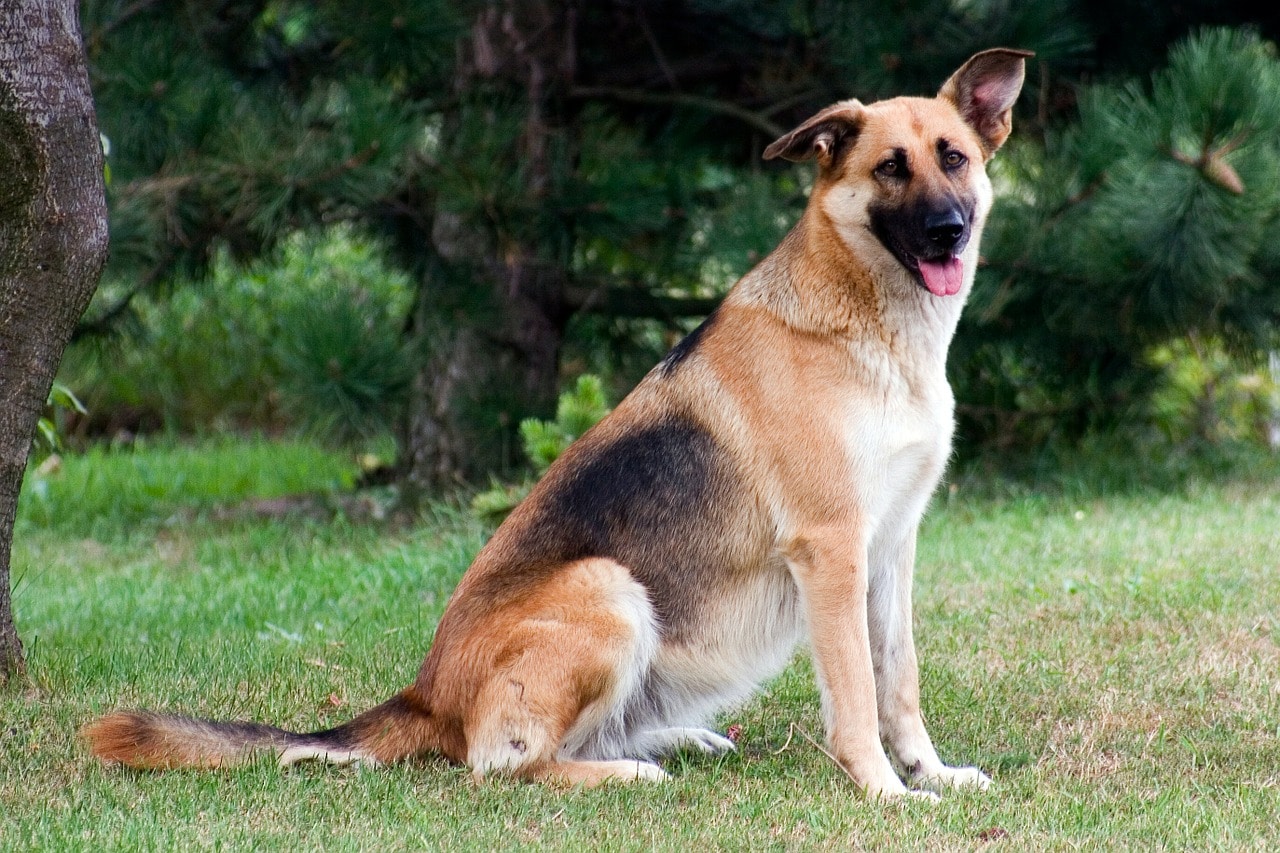
The German Shepherd is not only known for its loyalty but also for its intelligence. This breed is often used in police and military roles due to its ability to learn and execute commands effectively. A 2026 study by the National Canine Intelligence Association found that German Shepherds are capable of performing over 165 different commands, highlighting their trainability and problem-solving skills, which contribute to their ranking among the smartest breeds.
The Science Behind Dog Intelligence
Understanding the science behind canine intelligence requires examining both genetics and environment. Research has shown that certain breeds are predisposed to higher cognitive abilities, but environmental factors play a significant role in developing these traits.
The Genetic Component
Genetics significantly influences intelligence in dogs. A study published in the Journal of Animal Behavior found that breeds like the Border Collie and Poodle not only demonstrate higher intelligence levels but also possess genetic markers associated with cognitive function. The research suggests that breeding for specific traits can enhance intelligence, leading to a greater prevalence of smart dogs in specific breeds.
Environmental Influences
While genetics lays the foundation, the environment shapes a dog’s intelligence. Early socialization, exposure to various stimuli, and consistent training are crucial. A 2026 report from the American Animal Hospital Association highlighted that dogs trained in stimulating environments showed a 57% increase in adaptive problem-solving skills compared to those who received minimal training.
Emotional Intelligence
Dogs also exhibit emotional intelligence, which can sometimes surpass traditional measures of cognitive ability. Understanding human emotions and responding appropriately can be seen as a form of intelligence. Research from the University of Veterinary Medicine Vienna indicates that breeds like Labrador Retrievers and Golden Retrievers excel in this area, demonstrating strong empathetic behaviors and emotional recognition skills.
Training And Intelligence
The relationship between training and intelligence is vital in understanding which dogs are the smartest. Effective training methods can enhance a dog’s natural skills and foster a deeper bond between pet and owner.
Positive Reinforcement Techniques
Positive reinforcement is one of the most effective training methods. This approach focuses on rewarding desired behaviors rather than punishing unwanted ones. A 2026 study by the Animal Behavior Society found that dogs trained using positive reinforcement showed a 78% improvement in learning outcomes compared to those trained with aversive methods. This technique not only improves intelligence but also enhances the dog’s emotional well-being.
Socialization and Cognitive Development
Early socialization plays a critical role in cognitive development. Exposing puppies to various environments, people, and other animals can significantly impact their adaptability and problem-solving skills. A longitudinal study conducted by the Pet Professional Guild found that well-socialized dogs exhibited a 36% higher capacity for learning new tasks compared to their less socialized counterparts.
Engagement Through Activities
Engaging dogs in activities that challenge their minds can significantly boost their intelligence. Activities such as agility training, obedience classes, and interactive games stimulate their problem-solving abilities. A 2026 report from the Association of Professional Dog Trainers emphasized that dogs participating in regular mental stimulation activities performed 42% better in intelligence assessments compared to those with limited engagement.
Frequently Asked Questions About which dogs are the smartest
What factors determine which dogs are the smartest?
Several factors contribute to a dog’s intelligence, including breed characteristics, genetics, and environmental influences. Breeds like Border Collies and Poodles often rank higher due to their trainability and problem-solving abilities. Moreover, early socialization and consistent training further enhance their cognitive skills.
How can I improve my dog’s intelligence?
To enhance your dog’s intelligence, engage them in activities that promote mental stimulation. Training exercises, puzzle toys, and interactive games can significantly improve their problem-solving skills. Furthermore, ensuring early socialization and employing positive reinforcement techniques will foster a more intelligent and adaptable dog.
Are some breeds naturally more intelligent than others?
Yes, certain breeds are genetically predisposed to higher intelligence levels. For example, Border Collies and Poodles exhibit superior learning abilities and problem-solving skills compared to many other breeds. However, environmental factors and training play a substantial role in developing a dog’s overall intelligence.
Which dogs are the smartest in terms of emotional intelligence?
Breeds like Labrador Retrievers and Golden Retrievers are often cited for their high emotional intelligence. They exhibit strong empathetic behaviors and can recognize human emotions effectively. This emotional connection enhances their interactions with people and contributes to their ranking as some of the smartest dogs.
How does training impact a dog’s intelligence?
Training significantly impacts a dog’s intelligence by enhancing their cognitive abilities and problem-solving skills. Positive reinforcement methods have been shown to improve learning outcomes, while early socialization helps develop adaptability and social intelligence. Engaging dogs in various activities also fosters their mental growth.
Can training methods affect the perceived intelligence of a dog?
Absolutely. Training methods can influence how a dog’s intelligence is perceived. Positive reinforcement techniques have been shown to yield better results, while aversive methods can hinder a dog’s ability to learn and adapt. This disparity can lead to misconceptions about a breed’s intelligence based on the training approach used.
(adsbygoogle = window.adsbygoogle || []).push({});
What role does genetics play in canine intelligence?
Genetics plays a significant role in determining a dog’s intelligence. Specific breeds have been selectively bred for traits that enhance cognitive abilities. Research has shown that genetic markers are associated with higher intelligence levels, indicating that breeding practices can impact a dog’s learning capacity and problem-solving skills.
Are intelligence tests for dogs reliable?
While intelligence tests for dogs can provide insights into specific abilities, they may not capture the full spectrum of a dog’s intelligence. Factors like motivation, environment, and training history can influence test outcomes. Thus, while these tests can be informative, they should be considered alongside behavioral assessments and breed characteristics.
Conclusion
Determining which dogs are the smartest involves a complex interplay of genetics, environment, and training. Breeds like Border Collies and Poodles consistently top the intelligence charts due to their cognitive abilities and trainability. However, emotional intelligence and adaptability are equally important when assessing a dog’s overall intelligence. The exploration of which dogs are the smartest reveals that intelligence is not solely defined by obedience; it encompasses a broader understanding of canine capabilities and the importance of nurturing these traits through effective training and engagement.
The Myth of Obedience as Intelligence
Many people equate obedience with intelligence, but this viewpoint overlooks the diverse ways dogs demonstrate their smarts. A dog’s ability to problem-solve or connect emotionally can be just as significant as performing commands. Recognizing this complexity challenges traditional notions of canine intelligence.
The Remarkable Case of Chaser the Border Collie
Chaser, a Border Collie trained by Dr. John Pilley, could recognize and retrieve over 1,000 toys by name, showcasing the potential of canine intelligence when nurtured properly. This case illustrates the remarkable capabilities of dogs when trained in environments that stimulate their cognitive growth.
Embrace the Unique Strengths of Your Dog
Every dog has unique strengths, and understanding these can lead to a more fulfilling relationship. Whether it’s a Labrador’s emotional intelligence or a Poodle’s trainability, recognizing and nurturing these traits is key to maximizing a dog’s potential.
Find out more information about “which dogs are the smartest”
Search for more resources and information: