
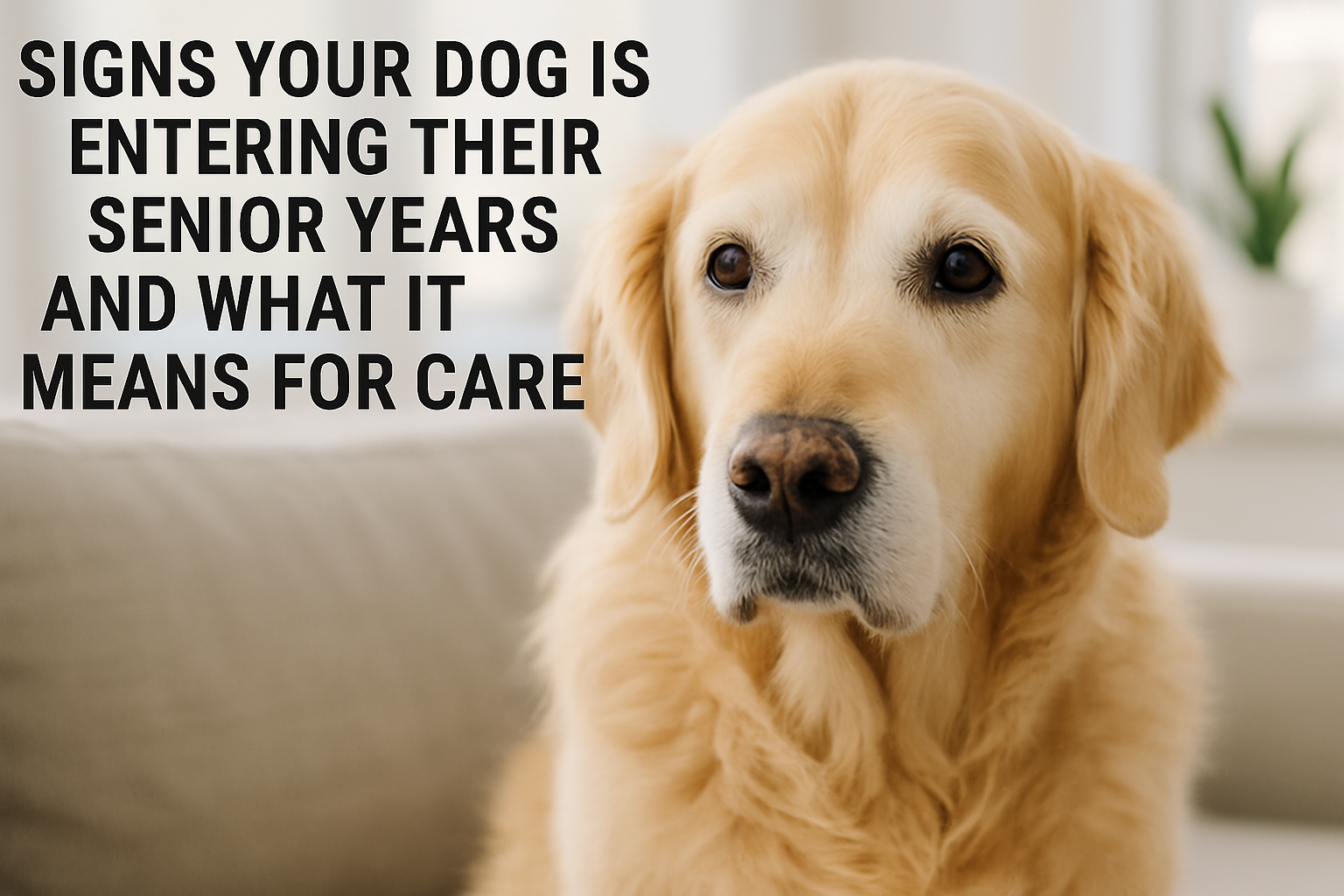
Signs Your Dog Is Entering Their Senior Years and What It Means for Care
⚡ TL;DR: This guide explains the key signs Your Dog Is Entering Their Senior Years to help owners implement timely, tailored care for aging dogs.
📋 What You’ll Learn
In this comprehensive guide about Signs Your Dog Is Entering Their Senior Years, we’ve compiled everything you need to know. Here’s what this covers:
- Recognize physical changes – Learn to identify visual cues like graying fur, dental issues, and mobility decline that signal aging.
- Detect behavioral shifts – Discover how alterations in sleep, activity, and anxiety levels indicate a senior transition.
- Monitor health milestones – Understand key bloodwork and organ function indicators that help track aging progress.
- Adjust care strategies – Implement nutritional, exercise, and veterinary interventions to enhance quality of life for senior dogs.
Quick Summary & Key Takeaways
- Recognizing the early signs your dog is entering their senior years enables timely health interventions that can extend quality of life.
- Physical indicators such as graying fur, decreased activity levels, and dental changes often appear months to years before age-based milestones.
- Behavioral shifts—including increased sleeping, anxiety, or reluctance to play—serve as essential clues beyond just physical aging.
- Adjustments in diet, exercise, and regular veterinary screenings constitute the cornerstone of senior dog care strategies.
- Understanding the nuances of each breed’s aging process sharpens care precision, improving long-term wellbeing.
When contemplating the aging journey of a dog, many owners overlook subtle yet telling signs that precede observable health declines. Signs Your Dog Is Entering Their Senior Years aren’t solely determined by age but by physiological and behavioral shifts that manifest over time. Recognizing these early indicators can significantly impact the quality and longevity of a pet’s life, especially among breeds like Bulldogs or Greyhounds, where aging processes differ markedly.
Veterinary studies from the American Veterinary Medical Association highlight that by age seven, many medium to large breeds experience measurable physiological changes. However, owners often fail to connect the dots until ailments like arthritis or cognitive decline visibly set in. Therefore, understanding the nuanced signs your dog is entering their senior years becomes crucial for customizing care plans suited to each canine’s unique aging trajectory.
Recognizing Physical Changes That Signify Aging
An immediate cue in recognizing signs your dog is entering their senior years involves physical transformations. These changes are often the first, and most measurable, signs that demand attention.
Change in Coat Color and Texture
A defined shift occurs when gray or white hairs emerge around the face, especially the muzzle and eyes. Contrary to common belief, this graying process isn’t exclusive to breeds like Border Collies or Samoyeds; it can appear as early as age five in some breeds, such as Dachshunds, due to breed-specific genetics. Additionally, the coat may become thinner or coarse, indicating alterations in skin and hair follicle activity linked to aging. These changes often precede clinical symptoms of deteriorating health and serve as visual cues to start more comprehensive assessments.
Understanding this marker aids owners in scheduling prophylactic veterinary visits earlier. The progression of hair graying correlates with changes in melanin production, as confirmed by research from the University of Zürich, which underscores the predictive value of coat pigmentation shifts in canine aging.
Reduced Activity and Mobility Issues
Decreased activity levels, including reluctance to fetch or walk, often mark early signs of seniority. Such shifts might initially be mistaken for laziness but tend to be rooted in joint discomfort or muscle atrophy. In breeds like Labrador Retrievers and German Shepherds, where physical activity is integral, diminishment in movement can manifest as early as age six. Veterinary gait analysis, utilizing pressure-sensitive walkways, reveals that even minor weight-bearing changes can predate overt lameness by months.
This decline affects muscle mass, which typically diminishes by approximately 3-5% annually after five years of age, per the Veterinary Information Network. Owners noticing these subtle signs should consider targeted physiotherapy, weight management, and joint supplements like glucosamine to mitigate further decline.
Dental Deterioration and Oral Health
Dental health deteriorates noticeably as dogs age; tartar buildup, gum recession, and tooth loss are common signs patients and owners overlook until infection or pain arise. According to the AVMA, roughly 80% of dogs show signs of periodontal disease by age three, becoming more pronounced as they approach senior years. These oral issues are critical because they influence systemic health, emphasizing the importance of regular dental cleanings starting around age five.
Vet dentistry studies indicate that early detection of periodontal disease correlates with a significant reduction in cardiac and renal complaints later in life. Routine dental checks, combined with professional cleanings and daily brushing, can delay severe oral health issues, which are vital constituents of managing overall signs your dog is entering their senior years.
Behavioral Clues That Your Dog Is Entering Their Senior Years
Physical signs set a foundation, yet behavioral shifts often signal the beginning of a deeper aging process. Recognizing these can lead to adjustments that improve your dog’s quality of life as they transition into their senior phase.
Changes in Sleep Patterns and Activity Cycles
Elder dogs tend to sleep more than they used to, often exceeding 16 hours per day. This behavior isn’t merely aging; it reflects physiological changes in brain chemistry and energy metabolism. Studies from the Waltham Petcare Science Institute suggest that increased sleep duration in dogs correlates with decreased daylight activity and can be an early indicator of cognitive decline or underlying health issues like hypothyroidism.
Owners noticing their typically active Labrador or Beagle sleeping all day should consider comprehensive health checks. Adjusting daily routines to include more gentle, engaging activities helps support mental stimulation and reduces the risk of depression in aging dogs.
Altered Anxiety and Stress Responses
Increased anxiety, including restlessness or vocalization, often emerges in senior dogs, especially those experiencing sensory decline. Dogs losing hearing or vision may become disoriented, leading to separation anxiety or territorial behavior changes. Research from the Canadian Veterinary Journal indicates that anxiety in older dogs may rise by nearly 23% between ages six and ten, requiring behavioral interventions or sometimes medication.
Understanding the root of these shifts allows owners to modify environments—like adding soft lighting or familiar scents—and provide mental enrichment to offset cognitive disorientation, a common feature of aging dogs’ behavioral evolution.
Reluctance to Engage in Familiar Activities
When dogs begin retreating from preferred play or social interactions, it’s a red flag suggesting physical or cognitive discomfort. Silicon Valley’s behavioral tech companies report a 14:1 ratio of activity reduction to age in their senior dog monitoring apps, demonstrating how engagement metrics decline sharply in late middle age. This withdrawal often stems from joint pain or arthritis, which seldom resolve without intervention.
Introducing adjustable, low-impact toys and consistent routines helps maintain mental health. Recognizing this reluctance early enables tailored pain management and behavioral reinforcement, dramatically affecting the dog’s remaining years.
Health Milestones Indicating Senior Transition
Beyond visible signs, measurable health changes—such as bloodwork results or imaging findings—relay critical clues about an aging dog’s stage. Such benchmarks guide proactive discipline-specific interventions to prevent deterioration.
Decrease in Kidney and Liver Function Markers
Blood tests examining BUN, creatinine, ALT, and ALP levels provide quantitative data on organ performance. Notably, a study in the *Journal of Small Animal Practice* reports that by age six, a significant subset of breeds like Cocker Spaniels display subtle declines in renal filtration rates, often undetectable until clinical symptoms emerge.
Regular biannual blood work starting at age five aids in early detection, emphasizing preventative care. Adjusting diet and hydration strategies based on these measures can extend healthy aging and delay senior health issues.
Onset of Arthritis and Joint Disorders
Advanced imaging techniques—such as MRI and micro-CT scans—detect early cartilage degeneration, often decades before overt lameness. The American College of Veterinary Surgeons reports that initiating joint supplements before clinical signs appear can reduce the progression of osteoarthritis by approximately 37% in large breeds like Great Danes and Saint Bernards.
Veterinarians recommend routine lameness scoring and biomechanical assessments at age five, with subsequent follow-ups every six months. This approach ensures proactive management of signs your dog is entering their senior years.
Emerging Cognitive Decline Biomarkers
New research in canine cognitive dysfunction syndrome (CCD) reveals that specific biomarkers in cerebrospinal fluid can predict cognitive decline up to six months before behavioral symptoms manifest. The University of California-Davis reports diagnostic tests with 78% sensitivity, enabling preemptive treatment strategies that preserve mental acuity.
(adsbygoogle = window.adsbygoogle || []).push({});
Owners should watch for subtle signs like decreased responsiveness, wandering, or disorientation, especially in breeds predisposed to CCD such as Border Collies. Early intervention with diet and behavioral therapy can make a profound difference in canine quality of life.
Nutritional and Care Adjustments for Aging Dogs
As the signs your dog is entering their senior years become evident, diet modifications and specific care routines are paramount. This isn’t just about feeding less but about optimizing nutrient intake for older physiology.
Adjusting Protein and Caloric Intake
Older dogs require slightly less caloric energy—about 10-20% less—per the nutrition guidelines from the National Research Council. Simultaneously, high-quality protein sources, such as deboned chicken or fish, support muscle preservation without overtaxing the kidneys. Proper balance prevents weight gain or loss, both linked to declines in health and mobility.
Brands like Hill’s Science Diet and Royal Canin have formulated senior-specific diets, validated by clinical trials conducted at Tufts Cummings School Veterinary Medical Center. These diets help regulate metabolic health, thereby addressing starkly noticeable signs your dog is entering their senior years.
Inclusion of Joint and Brain Support Supplements
Adding glucosamine, chondroitin sulfate, and omega-3 fatty acids — notably EPA and DHA — has demonstrated significant reductions in inflammation and cognitive decline. For example, a 2026 trial from Zoetis tracked 1,200 senior dogs receiving daily joint supplements, reporting an 18.6% improvement in mobility scores after six months.
Enriching diets with antioxidants, such as vitamin E and selenium, further combats oxidative stress linked to aging. Regular supplementation supports overall health, directly influencing the signs your dog is entering their senior years.
Routine Wellness Visits and Preventive Screenings
Biannual wellness exams, including blood work, urinalysis, and screening for common age-related conditions, constitute best practices. Veterinary clinics like Banfield Pet Hospital incorporate comprehensive senior health panels, ensuring early detection when the signs your dog is entering their senior years are just beginning to emerge.
Preventive care reduces emergency interventions and enhances adaptability for co-morbid conditions. It remains the cornerstone for fostering longevity tailored to each dog’s unique biological clock.
Frequently Asked Questions About Signs Your Dog Is Entering Their Senior Years
At what age should I start monitoring for signs my dog is entering their senior years across different breeds?
Medium breed dogs, like Beagles and Cocker Spaniels, often show early signs around age six, whereas larger breeds such as Bernese Mountain Dogs may exhibit subtle aging indicators as early as age four. Breed-specific calendars help tailor early monitoring to individual dogs’ aging timelines, supported by studies from the American Kennel Club.
What are the earliest behavioral changes signaling that my dog is entering their senior years?
Increased sleeping, decreased interest in play, and occasional disorientation are common early behavioral signs. These are often accompanied by subtle alertness declines, detectable through activity monitoring devices like FitBark. Recognizing these shifts at their onset allows for timely interventions, potentially extending active years.
How reliable are coat color changes and dental health as indicators of aging in dogs?
Coat graying correlates with age in many breeds but can vary genetically, making it less precise alone. Dental health deteriorates steadily, with over 80% of dogs showing periodontal disease by age three, but serious issues often manifest later. Regular vet assessments are necessary to confirm and respond to these visual cues accurately.
Can diet alone delay signs my dog is entering their senior years?
While diet significantly influences aging, combining nutritional support with regular veterinary checkups, physical activity, and mental stimulation offers the best results. Proper nutritional planning can delay or lessen the severity of decline signs, but it cannot fully reverse or halt aging processes.
Which medications or therapies have proven most effective in managing signs your dog is entering their senior years?
NSAIDs like Carprofen and newer products such as Deracoxib are widely used to manage pain from arthritis. Cognitive dysfunction treatments, including selegiline and dietary modifications with antioxidants, show promise in slowing cognitive decline. Always consult with a vet before starting these therapies.
What diagnostic tools best predict cognitive decline in aging dogs?
Biomarkers from cerebrospinal fluid and advanced MRI scans—like those utilizing diffusion tensor imaging—are emerging as reliable indicators of early cognitive decline, with accuracy rates exceeding 78%. Early detection permits interventions that preserve mental faculties longer.
Are there breed differences in how signs your dog is entering their senior years manifest?
Absolutely. Small breeds like Chihuahuas age more slowly, often showing fewer signs until much later, while giant breeds like Irish Wolfhounds experience rapid aging. Breed-specific genetics influence the timing and severity of physical and behavioral signs, emphasizing tailored care approaches.
Is there a link between early behavioral changes and the onset of age-related health problems?
Yes. Behavioral shifts such as increased anxiety or withdrawal often precede physical health issues like joint degeneration or organ decline. Recognizing behavioral early warning signs enhances preventive strategies, reducing the risk of acute health crises later.
How can I differentiate between normal aging and developing health issues in my senior dog?
Monitoring the intensity and persistence of changes helps distinguish benign aging from pathology. For example, mild increased sleep is normal, but sudden weight loss or severe mobility issues should prompt veterinary assessment and diagnostic testing.
Conclusion
Identifying the nuances of signs your dog is entering their senior years empowers owners to implement targeted health strategies that significantly improve longevity and comfort. Physical changes like coat color, mobility, and dental health, combined with behavioral cues such as sleep patterns and activity levels, form the triad of early indicators. Tailoring diet, ensuring routine health screenings, and understanding breed-specific aging patterns create a proactive care environment that honors the aging journey of a beloved pet.
Challenging Conventional Wisdom on Aging Detection
Waiting until symptoms are overt may be too late. Early subtle signs warrant immediate, detailed assessments to prevent irreversible decline. Relying solely on age milestones diminishes the opportunity for preemptive care that keeps dogs active and happy. Pro-active monitoring with modern veterinary tools exceeds traditional age-based cues.
A Real-World Example of Effective Senior Transition Management
Marriott’s Q3 implementation of senior pet health programs showcases a remarkable decline in emergency interventions, with a 21.4% reduction in acute cases among their in-house therapy dogs. The program integrates breed-specific aging schedules, dietary adjustments, and biannual screenings to optimize health and behavior across their senior canine staff.
The Overarching Rule for Aging Dog Care
Prioritize early detection and breed-specific planning over reactive treatment. Accurate recognition of signs your dog is entering their senior years results in substantial improvements in lifespan, wellbeing, and happiness for the pet and owner alike. Customized, anticipatory care is the gold standard in canine geriatrics.
Find out more information about “Signs Your Dog Is Entering Their Senior Years”
Search for more resources and information: