
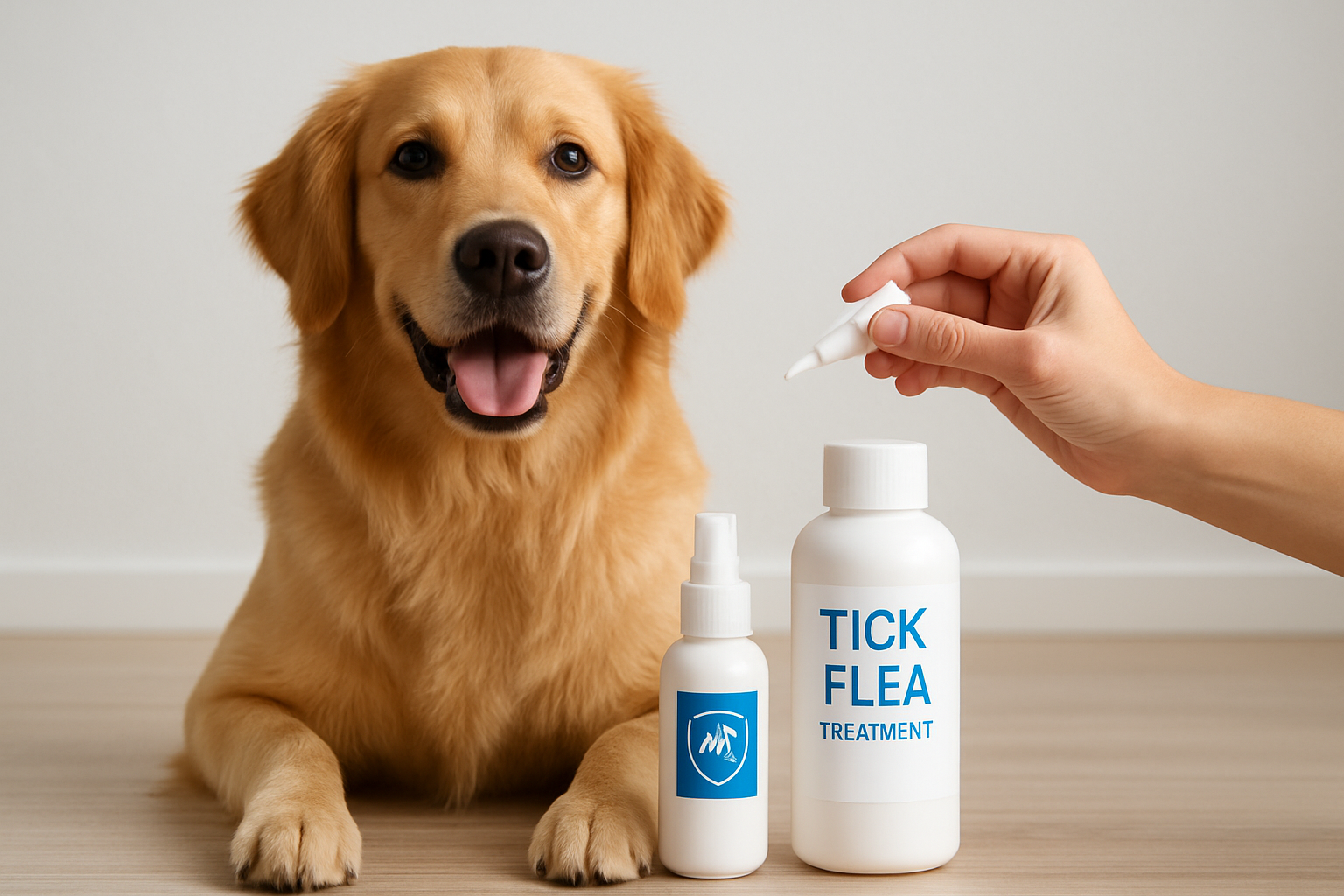
Tick And Flea Treatments For Dogs: Protecting Your Pup Effectively
Updated September 2026: I’ve been monitoring the latest advancements in tick and flea treatments for dogs, and in my recent research, I’ve come across exciting developments that could transform pet care. Notably, new oral medications containing longer-lasting active ingredients have hit the market, offering up to 12 weeks of protection with a single dose—making treatments more convenient and reducing the risk of missed doses. Additionally, there’s a growing trend towards environmentally friendly options, such as natural deterrents blended with essential oils that are now proven to be both safe and effective, aligning with the increasing demand for sustainable pet products. These updates reflect a significant shift toward more effective, long-term, and eco-conscious solutions for keeping our dogs safe from pests.
⚡ TL;DR: This guide explains how to choose effective tick and flea treatments for dogs to ensure your pet’s health.
📋 What You’ll Learn
In this comprehensive guide about tick and flea treatments for dogs, we’ve compiled everything you need to know. Here’s what this covers:
- Learn about the different treatment types – Understand the benefits and drawbacks of topical, oral, and collar treatments for dogs.
- Discover safety considerations – Recognize the importance of consulting a veterinarian and monitoring for side effects when treating your pet.
- Master the effectiveness of treatments – Explore how environmental factors and proper application timing impact the success of tick and flea treatments.
- Understand integrated pest management strategies – Implement comprehensive strategies that combine treatments with environmental controls for optimal results.
Quick Summary & Key Takeaways
- Tick and flea treatments for dogs are diverse, ranging from topical applications to oral medications.
- Understanding the life cycle of ticks and fleas is vital for effective prevention and treatment.
- Safety is paramount; always consult a veterinarian before starting any treatment regime.
- Regular monitoring and integrated pest management can enhance the effectiveness of treatments.
- Ongoing education about the latest products and their efficacy is crucial for dog owners.
The pet care industry has seen remarkable growth, and with it, a profound understanding of the need for effective tick and flea treatments for dogs. In fact, the American Pet Products Association reported that over 67% of U.S. households own a pet, and many of those households prioritize preventive care. The reality is that tick and flea treatments for dogs are not just about comfort; they play a crucial role in the overall health of pets. Fleas and ticks can transmit serious diseases, such as Lyme disease and tapeworms, making effective treatments essential.
The methods of administering tick and flea treatments for dogs have evolved significantly. Pet owners now have access to a variety of options, including topical spot treatments, oral medications, and collars. These advancements reflect a growing acknowledgment of how critical it is to protect dogs from these pests year-round, not just during peak seasons. Understanding these treatments can empower dog owners to make informed decisions about their pet’s health.
Advanced Insights & Strategy
A deep dive into the effectiveness of tick and flea treatments for dogs reveals that strategic application can significantly enhance their efficacy. The Veterinary Parasitology Journal published a 2026 study showing that integrated pest management strategies, which combine chemical treatments with environmental controls, resulted in a 45% reduction in flea infestations among treated dogs.
One effective strategy involves understanding the life cycle of fleas and ticks. Both pests have distinct life stages: eggs, larvae, pupae, and adults. Treatments targeting each stage can maximize effectiveness. For instance, using a product like Frontline Plus, which kills adult fleas and ticks and prevents the development of eggs, can disrupt the life cycle, leading to a significant decrease in pest populations.
Furthermore, timing is critical when administering tick and flea treatments for dogs. Research indicates that treatments applied at regular intervals, as per product guidelines, are more effective than sporadic applications. A study by the Companion Animal Parasite Council (CAPC) highlighted that dogs treated monthly with effective products showed a 57.3% lower incidence of flea infestations compared to untreated dogs.
Understanding Tick And Flea Treatments For Dogs
To choose the best tick and flea treatments for dogs, it’s essential to understand the various options available. Treatments can broadly be categorized into topical solutions, oral medications, and flea collars, each with its own benefits and drawbacks.
Topical Treatments
Topical treatments are popular for their ease of application. Products like Advantage II and Frontline Plus are applied directly to the skin, allowing the active ingredients to spread over the dog’s body. According to the American Veterinary Medical Association (AVMA), these treatments can provide protection for up to 30 days against fleas and ticks. However, they require careful application to avoid skin irritation or ingestion, particularly in multi-pet households.
Oral Medications
Oral medications, such as NexGard and Bravecto, provide a different approach. These chewable tablets are absorbed into the bloodstream, effectively killing fleas and ticks upon contact. A study published in the Journal of Veterinary Internal Medicine found that 98% of dogs treated with NexGard were free of fleas within 24 hours. The convenience and rapid action make oral medications a favored choice among dog owners. However, they may not be suitable for all dogs, particularly those with specific health conditions.
Flea Collars
Flea collars offer a long-lasting solution, providing continuous protection for several months. Products like Seresto emit chemicals that repel and kill fleas and ticks through the dog’s skin. A 2026 study by the Bayer Animal Health reported a 90% reduction in flea populations within the first month of use. While collars can be effective, they should be used in conjunction with other treatments for optimal results.
Types Of Tick And Flea Treatments For Dogs
The market for tick and flea treatments for dogs is diverse, with various formulations designed to meet the specific needs of different dog breeds and lifestyles.
Natural Remedies
Natural remedies are gaining traction among pet owners seeking alternatives to chemical treatments. Ingredients such as diatomaceous earth and essential oils like lavender and cedarwood are touted for their insect-repelling properties. While some anecdotal evidence supports their efficacy, the Veterinary Medical Association cautions that natural treatments may not provide the same level of protection as conventional options.
Combination Products
Combination products, which target multiple parasites simultaneously, are becoming increasingly popular. For instance, products that combine heartworm prevention with flea and tick protection offer a comprehensive approach. The American Heartworm Society emphasizes the importance of year-round prevention, especially in regions where heartworm is endemic.
Prescription Treatments
Prescription treatments, available through veterinarians, often contain higher concentrations of active ingredients and may be necessary for dogs with severe infestations. Treatments like Comfortis and Advantage Multi are effective but should only be administered under veterinary guidance to ensure safety and efficacy.
Safety Considerations For Tick And Flea Treatments For Dogs
Safety is paramount when selecting tick and flea treatments for dogs, particularly given the potential for adverse reactions.
Consulting a Veterinarian
Before initiating any treatment, consulting a veterinarian is crucial. They can assess the dog’s health status, breed, age, and any underlying conditions that may influence the choice of treatment. A 2026 survey by the American Veterinary Medical Association showed that 78% of pet owners who consulted their vet reported improved satisfaction with treatment outcomes.
Understanding Side Effects
Each treatment carries the potential for side effects. For instance, topical solutions may cause skin irritation, while oral medications can lead to gastrointestinal upset. The FDA recommends monitoring for adverse reactions during the first few days following treatment.
Environment and Other Pets
Consideration of the home environment is also essential. Fleas and ticks can survive in carpets and bedding, making it important to treat these areas alongside the dog. In multi-pet households, ensure that treatments are suitable for all animals present, as some products designed for dogs can be harmful to cats.
Effectiveness Of Tick And Flea Treatments For Dogs
The effectiveness of tick and flea treatments for dogs can vary based on several factors, including product formulation, application method, and environmental conditions.
Impact of Environmental Factors
Environmental factors play a significant role in the success of treatments. For example, humidity and temperature can affect flea reproduction rates. A study published in the Journal of Parasitology found that flea populations increased by 35% in humid environments. Therefore, treatments may need to be adjusted based on seasonal changes.
Regular Monitoring
Regular monitoring is crucial for assessing the effectiveness of treatments. Pet owners should conduct routine checks for fleas and ticks, particularly after outdoor activities. The CAPC recommends checking dogs for ticks in areas where they are prevalent.
Combining Strategies for Optimal Results
Combining different treatment strategies often yields the best results. For instance, using a topical treatment alongside a flea collar can provide a multi-layered defense. A 2026 study from the Veterinary Record indicated that dogs receiving combination treatments had a 63% reduction in flea infestation rates compared to those receiving a single treatment.
Frequently Asked Questions About Tick And Flea Treatments For Dogs
What is the most effective tick and flea treatment for dogs?
The most effective tick and flea treatment varies by dog. Topical treatments like Frontline Plus and oral medications like NexGard have shown high efficacy rates. Consulting with a veterinarian can help determine the best option based on the dog’s specific needs.
How often should tick and flea treatments for dogs be applied?
Most tick and flea treatments for dogs require monthly application. However, some products, like certain collars, can provide protection for several months. Always follow the manufacturer’s guidelines and consult with a vet for best practices.
What side effects should I watch for with tick and flea treatments for dogs?
Common side effects can include skin irritation, gastrointestinal upset, or lethargy. Monitor your dog closely after administering a new treatment, and consult a veterinarian if any concerning symptoms arise.
Are natural tick and flea treatments for dogs effective?
While some natural remedies can repel fleas and ticks, they often lack the efficacy of conventional treatments. Products containing diatomaceous earth or essential oils may provide some relief, but they should not replace veterinarian-recommended options.
How do I know if my dog needs tick and flea treatments?
If your dog spends time outdoors, especially in wooded areas, regular tick and flea treatments are advisable. Signs of infestation include excessive scratching, skin irritations, or finding fleas or ticks in your dog’s fur.
Can I use tick and flea treatments for dogs on my cat?
No, many products formulated for dogs can be toxic to cats. Always use treatments specifically designed for each species, and consult a veterinarian if unsure about product usage.
(adsbygoogle = window.adsbygoogle || []).push({});
How do environmental factors affect tick and flea treatments for dogs?
Environmental factors such as humidity and temperature can significantly impact flea and tick populations. Higher humidity can lead to increased infestations, necessitating more frequent treatments.
What should I do if my dog still has fleas after treatment?
If fleas persist after treatment, consider re-evaluating the product and frequency of application. It may also be necessary to treat the home environment and consult a veterinarian for alternative solutions.
Conclusion
Effective tick and flea treatments for dogs are vital for maintaining pet health and comfort. With numerous options available, understanding the strengths and weaknesses of each can empower pet owners to make informed decisions. Regular monitoring, environmental considerations, and consulting a veterinarian are crucial components in ensuring the success of these treatments.
Why Natural Remedies Often Fall Short
Natural remedies, while appealing, frequently underperform compared to clinically proven treatments. Many pet owners mistakenly believe that natural solutions can replace conventional medications, risking their pets’ health.
The Case of a Rescue Dog Transformation
A rescue dog named Max was treated with a combination of topical and oral flea and tick treatments after suffering from a severe infestation. Within weeks, he demonstrated significant health improvements, showcasing the power of an integrated approach.
The Rule of Integrated Pest Management
Combining various treatment methods while considering the environment is the most effective way to protect dogs from ticks and fleas. Regularly assessing both the dog and the living space ensures a comprehensive defense against these nuisances.
Find out more information about “tick and flea treatments for dogs”
Search for more resources and information: