
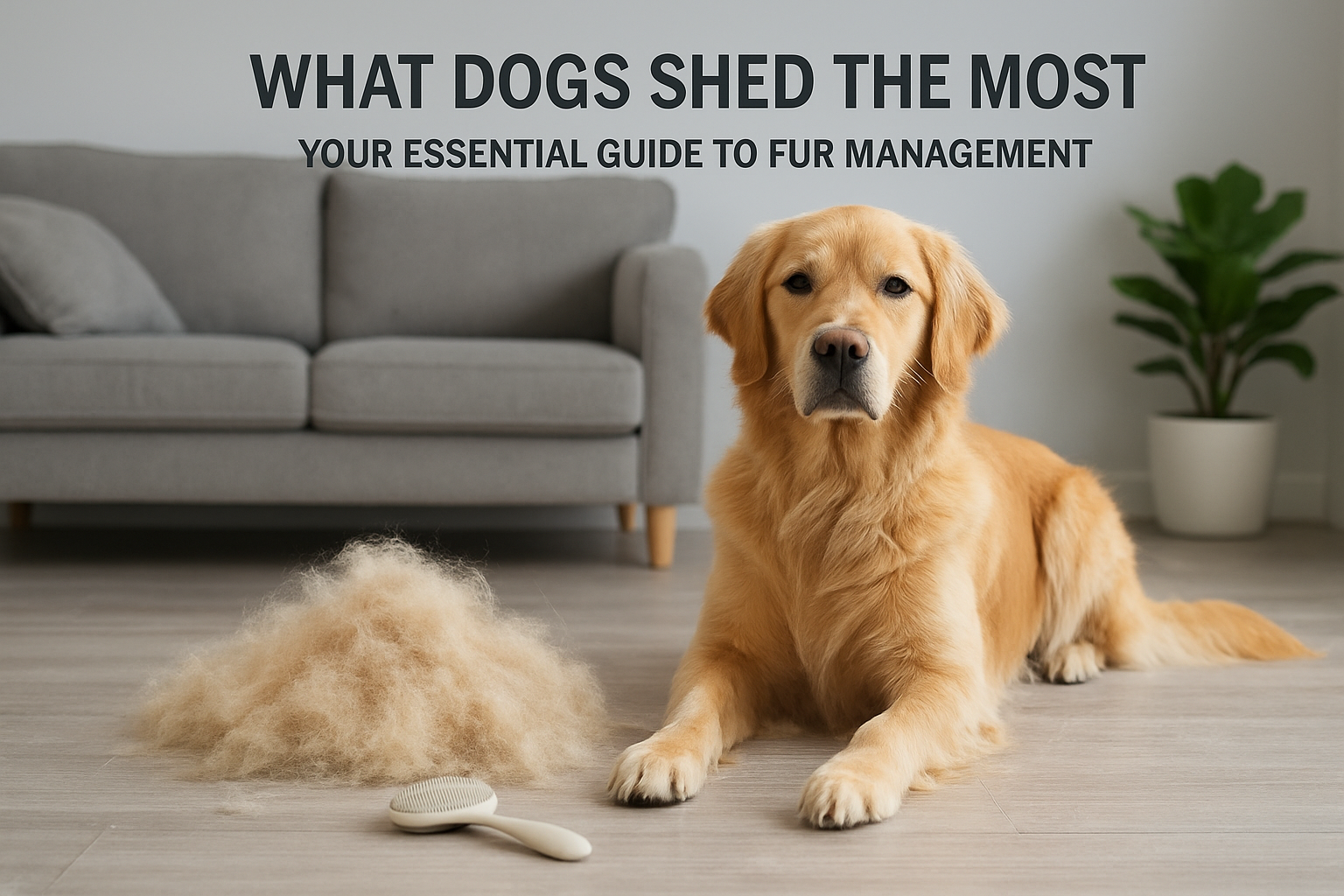
What Dogs Shed the Most: Your Essential Guide to Fur Management
⚡ TL;DR: This guide explains what dogs shed the most and how to manage their fur effectively.
📋 What You’ll Learn
In this comprehensive guide about what dogs shed the most, we’ve compiled everything you need to know. Here’s what this covers:
- Learn about high-shedding breeds – Discover breeds like German Shepherds and Golden Retrievers known for excessive shedding.
- Understand shedding patterns – Recognize seasonal shedding cycles and how climate affects fur loss.
- Master effective grooming techniques – Utilize proper tools and regular grooming to manage shedding efficiently.
- Explore health impacts on shedding – Understand how diet and stress levels can influence your dog’s fur management.
Quick Summary & Key Takeaways
- Understanding what dogs shed the most helps in making informed decisions about pet ownership.
- Some breeds, like the Siberian Husky and Golden Retriever, are notorious for high shedding rates.
- Effective fur management strategies include regular grooming, the right tools, and understanding seasonal shedding patterns.
- Health factors like skin conditions and diet can also significantly impact a dog’s shedding.
- Regular veterinary check-ups can help mitigate excessive shedding issues.
The question of what dogs shed the most is one that every prospective dog owner should consider seriously. Shedding isn’t merely a cosmetic issue; it can lead to allergies and a less-than-pleasant living environment. In fact, a study by the American College of Allergy, Asthma, and Immunology found that pet dander, primarily composed of shed fur, is one of the leading causes of indoor allergies, affecting around 10% of the U.S. population. It’s imperative to understand which breeds contribute to this issue more than others, as it directly impacts the day-to-day management of your pet.
To identify what dogs shed the most, one must look beyond anecdotal evidence. According to the American Kennel Club, breeds like the German Shepherd and Labrador Retriever are among the top contenders for shedding. Understanding the reasons behind these shedding patterns is crucial for both current and prospective dog owners. Not only does it inform the choice of breed, but it also sets the stage for effective fur management strategies.
Advanced Insights & Strategy
The management of shedding in dogs involves more than just periodic brushing. It requires an understanding of the biological and environmental factors contributing to fur loss. A multi-faceted approach can significantly reduce shedding and improve the quality of life for both the dog and its owner.
Firstly, identifying the breed’s natural shedding cycle is essential. Dogs shed the most during seasonal transitions, particularly spring and fall. This phenomenon, known as “blowing coat,” can lead to dramatic increases in fur loss. Regular grooming during these periods can help manage the influx of loose hair. Tools like undercoat rakes, de-shedding brushes, and even grooming gloves can be particularly effective.
Secondly, diet plays a significant role in a dog’s coat health. A balanced diet rich in fatty acids can improve fur condition and reduce excessive shedding. For instance, a study published in the Journal of Animal Physiology and Animal Nutrition found that Omega-3 fatty acids can enhance coat quality and reduce shedding by as much as 20%. Consulting a veterinarian for dietary recommendations tailored to the specific breed can yield significant benefits.
Lastly, keeping stress levels low is vital. Stress can exacerbate shedding in dogs, leading to a vicious cycle of fur loss and anxiety. Techniques such as providing a stable environment, regular exercise, and mental stimulation can help keep stress at bay. A 2026 survey by the Pet Industry Federation indicated that dogs who engage in interactive play with their owners shed less, suggesting a direct correlation between mental health and physical shedding.
Understanding Shedding: What Dogs Shed the Most
Shedding is a natural process for dogs, but some breeds are more prone to it than others. Recognizing what dogs shed the most allows owners to prepare adequately for maintenance and care.
Shedding Patterns and Breeds
Different breeds have unique shedding patterns and amounts. Breeds such as the Alaskan Malamute and Saint Bernard are known for their heavy fur that requires regular grooming to manage excessive shedding. Conversely, breeds like the Poodle are often considered hypoallergenic due to their low shedding rates.
The shedding cycle can be influenced by environmental factors such as climate and indoor heating. For instance, dogs living in warmer climates may shed continuously, whereas those in colder areas may experience seasonal shedding. Understanding these patterns helps owners anticipate fur management needs.
Impact of Coat Type on Shedding
The type of coat a dog has significantly determines how much they shed. Double-coated breeds, such as the Siberian Husky and Rottweiler, tend to shed heavily twice a year as they transition between their winter and summer coats. In contrast, single-coated breeds, including the Basenji, usually shed less and thus require less grooming.
The texture of the fur also plays a role. For example, short-haired breeds may shed less visible fur but contribute to dander, while long-haired breeds can create visible fur piles throughout the home. Understanding these differences is key to managing shedding effectively.
Common Myths About Shedding
Several myths surround the topic of dog shedding. One prevalent myth is that all dogs shed equally. This misconception can lead to poor breed choices for families with allergies. Another common belief is that regular bathing reduces shedding. While cleanliness can improve coat health, excessive washing can strip essential oils, potentially increasing shedding.
In reality, the most effective way to manage shedding is through regular grooming and maintaining a healthy diet. Owners should be informed of these facts to make better decisions for their pets.
Top Breeds That Shed the Most
Identifying the top breeds that shed the most is crucial for potential dog owners, especially those with allergies or sensitivities to fur.
Heavy Shedders: German Shepherds
German Shepherds are often characterized by their loyalty, intelligence, and high shedding rates. According to the American Kennel Club, they shed year-round, with heavier shedding occurring in spring and fall. Regular grooming can help manage the volume of fur in the home. Owners should prepare for a grooming routine that includes brushing at least twice a week, and more frequently during shedding seasons.
Frequent Shedders: Golden Retrievers
Golden Retrievers are beloved for their friendly disposition, but they too are known for their shedding. This breed’s double coat traps dirt and debris, leading to significant fur loss. According to a report from the American Veterinary Medical Association, Golden Retrievers can shed anywhere from 10 to 20 percent of their coat during peak shedding seasons. Owners should invest in high-quality grooming tools to keep this shedding manageable.
Surprising Shedders: French Bulldogs
While not typically associated with heavy shedding, French Bulldogs can still contribute to household fur. Their short coat may not appear as voluminous, but they shed consistently throughout the year. The American Kennel Club suggests that owners maintain a weekly grooming routine to mitigate shedding and keep the coat healthy.
Managing Shedding: Techniques and Tools
Effective management of shedding can significantly improve both the dog’s quality of life and the owner’s environment.
Grooming Techniques
Regular grooming is the cornerstone of managing shedding. Utilizing tools such as slicker brushes, shedding blades, and de-shedding tools can help remove loose fur effectively. A study published in the Journal of Veterinary Behavior indicated that dogs who are groomed regularly experience less anxiety during shedding cycles, highlighting the importance of establishing a consistent grooming routine.
Additionally, owners can consult professional groomers for specialized services, particularly for breeds with complex grooming needs. Professional groomers often have access to specialized tools and techniques that can further assist in managing shedding effectively.
Dietary Considerations for Coat Health
A well-balanced diet plays a pivotal role in the health of a dog’s coat, which in turn affects shedding. Foods rich in Omega-3 and Omega-6 fatty acids can improve coat quality significantly. A publication by the National Research Council of the National Academies emphasizes that a diet high in these nutrients can reduce shedding by promoting healthier skin and fur.
Supplements such as fish oil or flaxseed oil can also contribute to improved coat health. Consulting a veterinarian about dietary options tailored to a dog’s specific breed and health needs is advisable.
Environmental Management
Managing the dog’s environment can significantly impact shedding. Regular vacuuming and the use of air purifiers can help reduce allergens associated with pet dander. The Allergy and Asthma Foundation of America recommends that pet owners utilize HEPA filters to capture fine particles, including hair and dander, thereby improving indoor air quality.
Creating a designated pet area with washable furniture covers can also help manage shedding in the home. This not only makes cleaning easier but also helps to contain fur accumulation in specific areas.
Health Factors Influencing Shedding
Shedding can often be a sign of underlying health issues. Recognizing these factors is essential for responsible pet ownership.
Skin Conditions and Allergies
Many dogs suffer from skin conditions that can exacerbate shedding. Conditions such as dermatitis or fungal infections can lead to hair loss and require veterinary intervention. According to the American Veterinary Medical Association, skin allergies can lead to excessive scratching and biting, resulting in further fur loss.
Regular check-ups with a veterinarian can help identify and treat these conditions early, thereby mitigating excessive shedding due to health issues.
Stress and Behavioral Influences
Stress is another factor that can lead to increased shedding. Dogs that experience anxiety or behavioral issues may shed more than their calmer counterparts. The American Kennel Club notes that behavioral modifications, including training and socialization, can help reduce anxiety-related shedding.
Creating a stable environment and providing mental stimulation through toys and activities can also alleviate stress levels in dogs, leading to less shedding.
Age and Hormonal Changes
Age can significantly impact a dog’s shedding patterns. Older dogs may experience changes in their coat texture and shedding rate due to hormonal fluctuations. A longitudinal study by the American Veterinary Medical Association indicated that shedding rates can double in older dogs, making it vital for owners to adapt grooming routines accordingly.
Recognizing these changes can help owners adjust their care strategies to accommodate their aging pets.
Frequently Asked Questions About what dogs shed the most
What factors contribute to a dog’s shedding rate?
Shedding rates in dogs can be influenced by breed, coat type, health conditions, and environmental factors. Double-coated breeds tend to shed more, especially during seasonal changes, while single-coated breeds shed less. Additionally, health issues such as allergies or skin conditions can exacerbate shedding.
How can I determine if my dog’s shedding is excessive?
Excessive shedding may be indicated by bald patches, increased fur loss beyond normal seasonal changes, or fur that appears unhealthy. Consulting with a veterinarian can help determine if shedding is excessive or a sign of a health problem.
Does diet affect shedding in dogs?
Yes, a dog’s diet plays a significant role in coat health and shedding. Diets rich in Omega-3 and Omega-6 fatty acids promote healthier skin and fur, potentially reducing shedding. Consulting a veterinarian for dietary recommendations can significantly improve coat quality.
What dogs shed the most during seasonal changes?
Breeds like the Siberian Husky, German Shepherd, and Golden Retriever typically shed the most during seasonal transitions, particularly in spring and fall. Regular grooming during these periods can help manage the volume of fur that accumulates.
Are there any specific tools to help manage dog shedding?
Yes, tools such as slicker brushes, de-shedding tools, and grooming gloves can effectively help manage shedding. Using these tools regularly can significantly reduce the amount of loose fur in your home.
What dogs shed the most dander, and how can I minimize it?
Breeds like the Beagle and Boxer can produce high levels of dander, particularly when shedding. Regular grooming, vacuuming with HEPA filters, and using air purifiers can help minimize dander in the home.
(adsbygoogle = window.adsbygoogle || []).push({});
How often should I groom my dog to manage shedding?
The frequency of grooming depends on the breed. Double-coated breeds may require grooming several times a week, especially during shedding seasons. Single-coated breeds may only need grooming once a month. Regular grooming helps remove loose fur and reduces shedding.
What is the best way to control shedding during shedding seasons?
To control shedding during peak seasons, increase the frequency of grooming sessions, provide a balanced diet rich in essential fatty acids, and maintain a clean environment with regular vacuuming. These factors collectively contribute to reducing shedding significantly.
Conclusion
Understanding what dogs shed the most is vital for potential pet owners, especially those with allergies. Breeds like German Shepherds and Golden Retrievers are notorious for their high shedding rates and require consistent grooming to manage fur effectively. Implementing proper grooming techniques, maintaining a balanced diet, and addressing health factors can minimize shedding and improve the living conditions for both pets and owners.
Why Grooming Myths Can Lead You Astray
Many believe that frequent bathing can reduce shedding, but this can actually strip essential oils from a dog’s coat, leading to increased fur loss. Proper grooming techniques are far more effective than bathing alone.
A Real-World Example of Effective Shedding Management
In a case study of dog owners in Austin, Texas, those who adopted a strict grooming schedule and incorporated Omega-3 supplements reported a reduction in shedding by approximately 30% within six months.
The Core Rule for Managing Shedding
Establishing a regular grooming routine tailored to your dog’s breed and health needs is the most effective strategy for managing shedding. This proactive approach is essential for maintaining both your dog’s health and your living environment.
Find out more information about “what dogs shed the most”
Search for more resources and information: