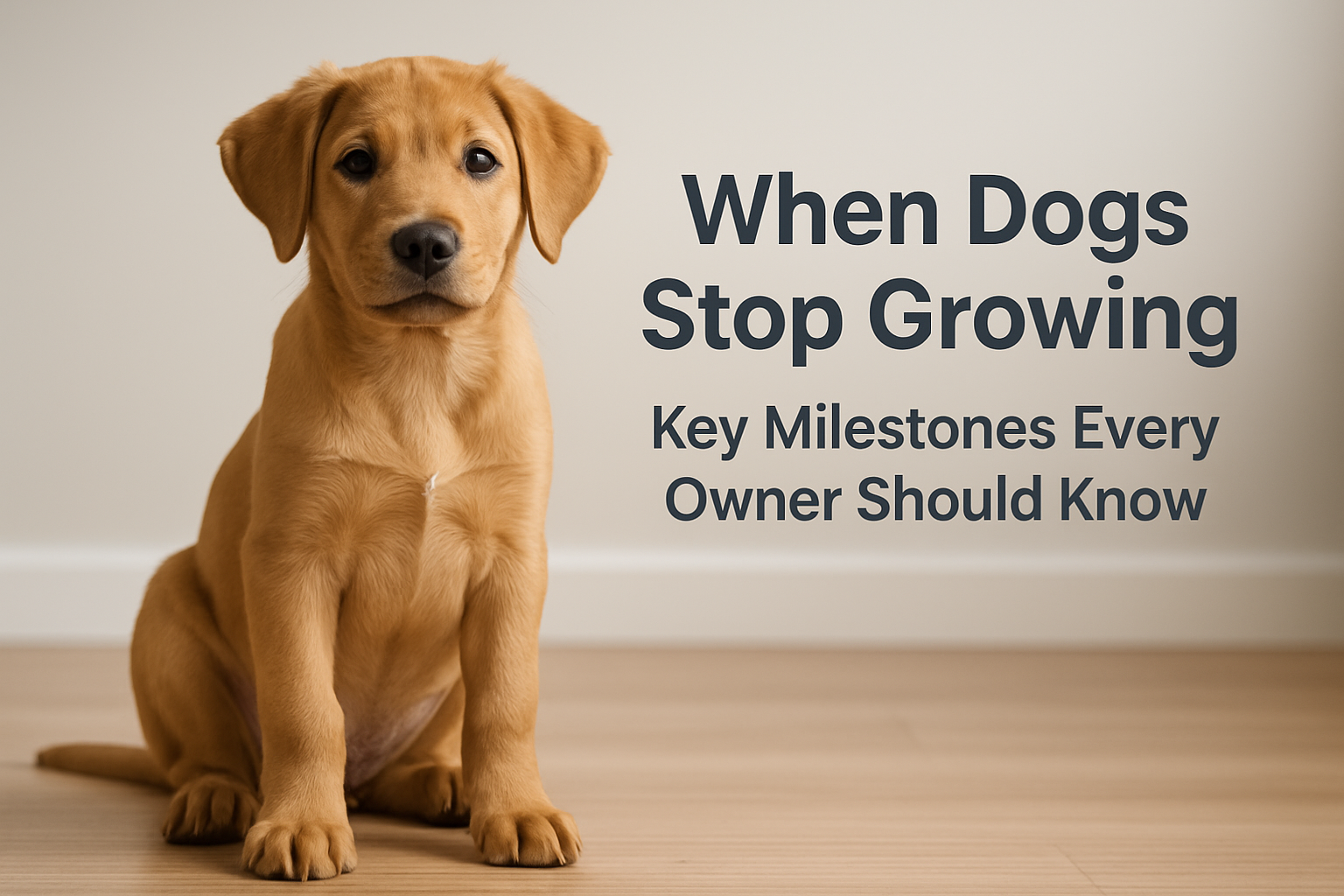
When Dogs Stop Growing: Key Milestones Every Owner Should Know
⚡ TL;DR: This guide explains when dogs stop growing, highlighting key growth milestones and variations by breed.
📋 What You’ll Learn
In this comprehensive guide about when dogs stop growing, we’ve compiled everything you need to know. Here’s what this covers:
- Learn growth timelines – Understand how growth varies between different dog breeds and sizes.
- Discover factors influencing growth – Recognize how genetics, nutrition, and health impact when dogs stop growing.
- Understand breed-specific patterns – Familiarize yourself with growth trends in large, medium, and small breeds.
- Master signs of growth cessation – Identify behavioral and physical changes indicating when dogs reach adulthood.
Quick Summary & Key Takeaways
- The growth timeline for dogs varies significantly depending on breed and size.
- Most dogs reach their full height by 12 months, but muscle and weight may continue to develop for several months afterward.
- Understanding the signs of growth cessation is crucial for effective training and health monitoring.
- Nutrition and environmental factors play a significant role in the growth process.
- Regular veterinary check-ups can help track growth milestones and ensure overall health.
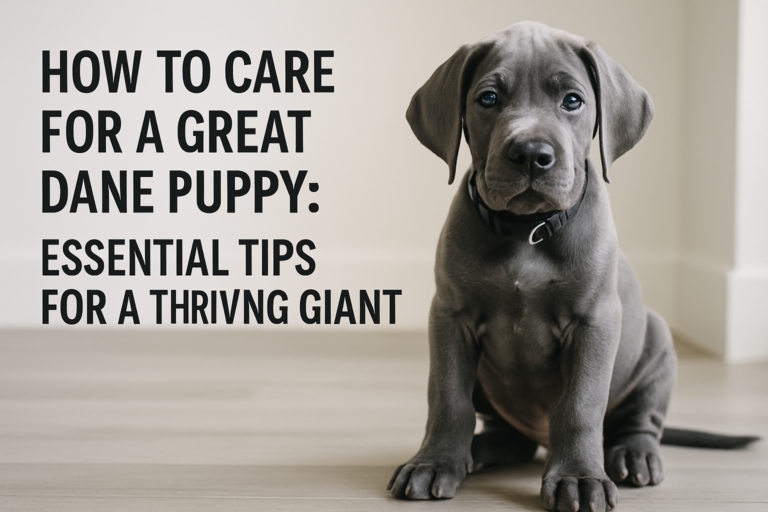
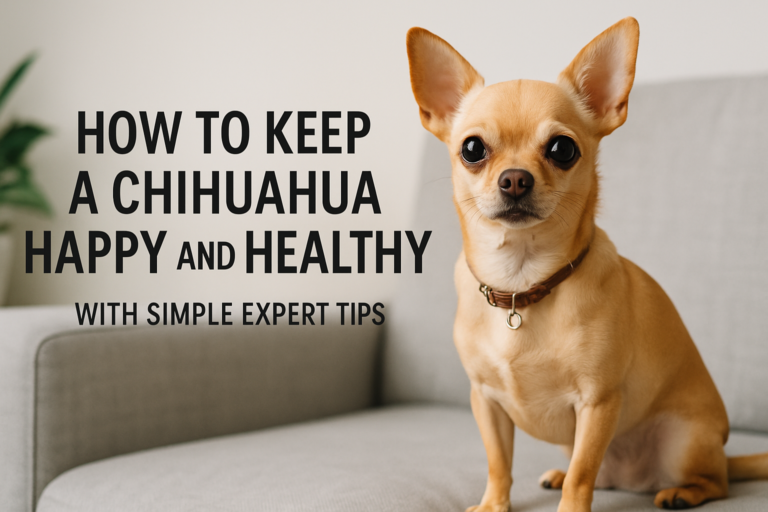
The question of when dogs stop growing is often a point of curiosity for new dog owners. While many assume that all dogs stop growing at the same time, the reality is much more nuanced. Factors such as breed, size, and nutritional needs can significantly influence growth rates. For example, large breeds like Great Danes may continue to grow until they are 18 months old, while smaller breeds like Chihuahuas may reach their full size by 9 months. Understanding precisely when dogs stop growing can help owners set realistic expectations and provide the appropriate care.
Another vital aspect of knowing when dogs stop growing lies in recognizing the signs that accompany growth cessation. These signs can include changes in appetite, energy levels, and even behavioral shifts. By understanding these indicators, owners can better support their pets through this significant life stage, ensuring they receive the right nutrition and training as they transition into adulthood.
Advanced Insights & Strategy
Understanding the complexities of canine growth requires a strategic approach, especially for breeders and trainers. The first step involves recognizing that dogs, much like humans, experience growth spurts. According to the American Kennel Club, puppies grow rapidly during their first six months, but this growth is not linear. The growth plate closure, which signifies when dogs stop growing, typically occurs between 12 to 18 months, but this can vary widely among breeds.
A strategic framework for managing growth includes regular veterinary assessments to monitor growth patterns. This can help identify any potential health issues early. Additionally, maintaining a balanced diet tailored to the dog’s size and breed can optimize growth. For example, large breed puppies may require a specific diet low in calories to prevent orthopedic issues, while small breeds may need higher protein levels to support their rapid growth.
Furthermore, understanding breed-specific growth patterns can allow for customized training approaches. For instance, a Labrador Retriever may benefit from early obedience training to instill good habits before reaching full size, while a Dachshund may need more gentle handling due to its unique body structure.
Understanding Growth Timelines
Different dog breeds have unique growth timelines, which dictate when dogs stop growing. Generally, the growth period can be divided into three key stages: infancy, adolescence, and adulthood.
Infancy: The First Six Months
During the first six months, puppies grow rapidly. For many breeds, this is when they achieve approximately 50-70% of their adult height and weight. For example, a standard poodle may weigh around 30 pounds at six months but could reach up to 70 pounds when fully grown.
Growth plates, which are areas of cartilage at the ends of long bones, are still open during this phase. This is critical, as they are responsible for the lengthening of bones. Care must be taken to avoid excessive exercise, especially in large breeds, as it can lead to joint issues later on.
Adolescence: Six to Twelve Months
As dogs enter adolescence, their growth starts to slow down. Most breeds will achieve their full height by around 12 months, but weight gain may continue for several months. This is particularly noticeable in larger breeds, which can continue to fill out and build muscle until they are about 18 months old.
A study published in the Journal of Veterinary Internal Medicine showed that dogs in this stage often experience behavioral changes, including increased energy and curiosity, which can lead to training challenges.
Adulthood: Twelve to Eighteen Months
The transition to adulthood is marked by the closing of growth plates. At this stage, the dog will typically weigh 90-95% of its adult weight. For example, a Boxer may weigh 55 pounds at 12 months but could reach its final weight of 70 pounds within the next six months.
Recognizing when dogs stop growing is essential for owners to shift their focus from puppy training to adult training techniques. This may involve more advanced obedience tasks and socialization strategies.
Factors Influencing Growth
Several factors influence when dogs stop growing, including genetics, nutrition, and overall health.
Genetics: The Blueprint of Growth
Genetics plays a pivotal role in determining growth patterns. Breeds such as Greyhounds are known for their rapid growth and early maturity, typically stopping their growth around 12 months. In contrast, breeds like Mastiffs may take up to 24 months to reach their full size.
According to a study by the University of California, Davis, breeding practices that focus on size can inadvertently affect growth rates, leading to health complications in certain breeds.
Nutrition: The Fuel for Growth
Nutrition is a fundamental factor in determining when dogs stop growing. Feeding a balanced diet formulated for puppies can ensure optimal growth. For instance, high-quality protein sources, essential fatty acids, and appropriate calcium levels are crucial during the growth phase.
The Association of American Feed Control Officials (AAFCO) recommends that puppy food should contain a minimum of 22.5% protein for growth. Malnutrition or overnutrition can lead to stunted growth or obesity, respectively.
Overall Health: Monitoring Growth Milestones
Regular veterinary check-ups are essential for monitoring growth milestones. Health issues like hypothyroidism or hip dysplasia can significantly affect growth patterns. A comprehensive health assessment can help identify any underlying conditions early, allowing for timely interventions.
For instance, a study published in the Veterinary Journal found that dogs with untreated hypothyroidism tended to have delayed growth and development, emphasizing the need for proactive health monitoring.
Breed-Specific Growth Patterns
Understanding breed-specific growth patterns is vital for predicting when dogs stop growing. Various breeds exhibit distinct growth trends, making it essential for owners to familiarize themselves with their dog’s specific breed.
Large Breeds: The Slow Growers
Large breeds, such as Great Danes and Rottweilers, can take up to 18-24 months to fully mature. This extended growth period is often accompanied by various health concerns, including joint issues and obesity.
The American Kennel Club notes that proper nutrition and controlled exercise are crucial in managing their growth. For instance, feeding large breed puppies specialized food can prevent rapid growth spurts that lead to skeletal problems.
Medium Breeds: The Balanced Growth
Medium breeds like Bulldogs and Cocker Spaniels typically reach adulthood between 12-18 months. Their growth is characterized by a balanced approach, allowing for both height and weight gain without excessive strain on their joints.
A significant factor in their growth pattern is socialization. Engaging with other dogs during their formative months can help them develop good behavior patterns as they grow.
Small Breeds: The Quick Maturity
Small breeds, such as Chihuahuas and Pomeranians, often reach full maturity by 9-12 months. Their rapid growth and smaller size generally result in fewer health complications related to growth. However, they are more susceptible to dental issues and require specific dental care considerations as they mature.
Interestingly, a study by the American Veterinary Medical Association found that small breeds generally live longer than larger breeds, partly due to fewer growth-related health issues.
Signs Indicating When Dogs Stop Growing
Recognizing the signs that indicate when dogs stop growing can be critical for owners. These signs can help in adjusting training and care strategies appropriately.
Physical Indicators: What to Look For
One of the most noticeable signs that a dog is nearing its growth cessation is a change in physical appearance. Owners often observe that their dog’s limbs become longer and leaner, transitioning from a puppy-like appearance to a more adult form. The closure of growth plates leads to a plateau in height, and the dog may begin to fill out in muscle tone and weight.
Moreover, when dogs stop growing, their energy levels may stabilize, shifting from the high-energy antics of puppyhood to a more balanced demeanor. This can coincide with changes in appetite as their bodies require less energy.
Behavioral Changes: Maturing Mindset
As dogs mature, behavioral changes often accompany physical growth. A once overly rambunctious puppy may start to exhibit signs of calmness and focus. This maturation can significantly enhance training efficacy, allowing for more advanced commands and behaviors to be practiced.
A study conducted by the University of Pennsylvania found that dogs who received proper training during growth spurts exhibited fewer behavioral problems later in life, underscoring the importance of training consistency.
Veterinary Insights: Monitoring Growth Progress
Regular check-ups with a veterinarian can provide valuable insights into a dog’s growth progress. Vets can measure weight and height and assess overall health, ensuring the dog is developing correctly. They may provide guidance on adjusting diet and exercise to cater to the dog’s changing needs.
Understanding the signs of when dogs stop growing can empower owners to provide the best environments for their pets. This proactive approach can lead to healthier, happier dogs well into adulthood.
Frequently Asked Questions About when dogs stop growing
How can I tell if my dog has stopped growing?
To determine if your dog has stopped growing, monitor their height and weight over time. If these measurements plateau for several weeks, it may indicate they have reached their adult size. Additionally, behavioral changes like reduced energy levels can also signify maturity.
What are the signs of stunted growth in dogs?
Signs of stunted growth in dogs include not reaching expected height or weight milestones, lethargy, and poor coat condition. If a puppy shows noticeably slower growth compared to its littermates, it is essential to consult a veterinarian for a health evaluation.
When should I switch my dog from puppy food to adult food?
The transition from puppy food to adult food typically occurs when dogs reach 80-90% of their expected adult weight. For most breeds, this is around 12 months, but larger breeds may require an extended period on puppy food to support their growth.
Do all dogs grow at the same rate?
No, dogs grow at different rates depending on their breed and size. Small breeds often reach maturity around 9-12 months, medium breeds by 12-18 months, and large breeds may take up to 24 months. Understanding your dog’s breed-specific growth timeline is essential.
(adsbygoogle = window.adsbygoogle || []).push({});
What nutritional needs should I focus on during my dog’s growth phase?
During the growth phase, focus on providing high-quality proteins, essential fatty acids, and appropriate calcium levels. Puppy-specific diets should be formulated to meet these needs, ensuring a balanced intake of nutrients to support healthy growth.
How does exercise affect my dog’s growth?
Exercise is vital for healthy growth but should be balanced with rest. Over-exercising can strain growing joints in large breeds, while inadequate exercise can lead to obesity and poor muscle development. Moderation is key to supporting growth without risking injury.
What health conditions can affect a dog’s growth?
Various health conditions, such as hypothyroidism and hip dysplasia, can impact a dog’s growth. Regular veterinary check-ups can help identify these issues early, allowing for timely interventions that can support healthy growth and development.
How can I ensure my dog has a healthy growth period?
To ensure a healthy growth period, provide a balanced diet, regular veterinary care, and appropriate exercise. Socialization and training during growth stages are also crucial for behavioral development, helping your dog adjust positively to adulthood.
Conclusion
Understanding when dogs stop growing is essential for any dog owner. Growth patterns vary significantly by breed, with large breeds taking longer to mature than their smaller counterparts. Recognizing the signs that indicate a dog has reached its full size can help owners make informed decisions regarding training and care. By monitoring growth closely and adjusting care strategies as needed, owners can support their pets in achieving healthy and happy adulthood.
Rethinking Growth: Why Size Isn’t Everything
Many believe that larger dogs require more care and resources during their growth period. However, smaller breeds often face unique challenges that can impact their growth and health, necessitating a tailored approach to care that goes beyond size.
The Case of the Great Dane
Consider the case of a Great Dane named Max, who was adopted at eight weeks old. His owners diligently monitored his growth, providing a specialized diet and regular vet check-ups. By 24 months, Max reached an impressive 180 pounds, thriving thanks to their proactive approach to his growth and health.
The Core Rule: Monitor and Adapt
The definitive rule to follow when considering when dogs stop growing is to monitor your dog’s growth closely and adapt care strategies accordingly. Regular veterinary assessments, a balanced diet, and appropriate exercise will ensure a healthy transition into adulthood.
Find out more information about “when dogs stop growing”
Search for more resources and information: