
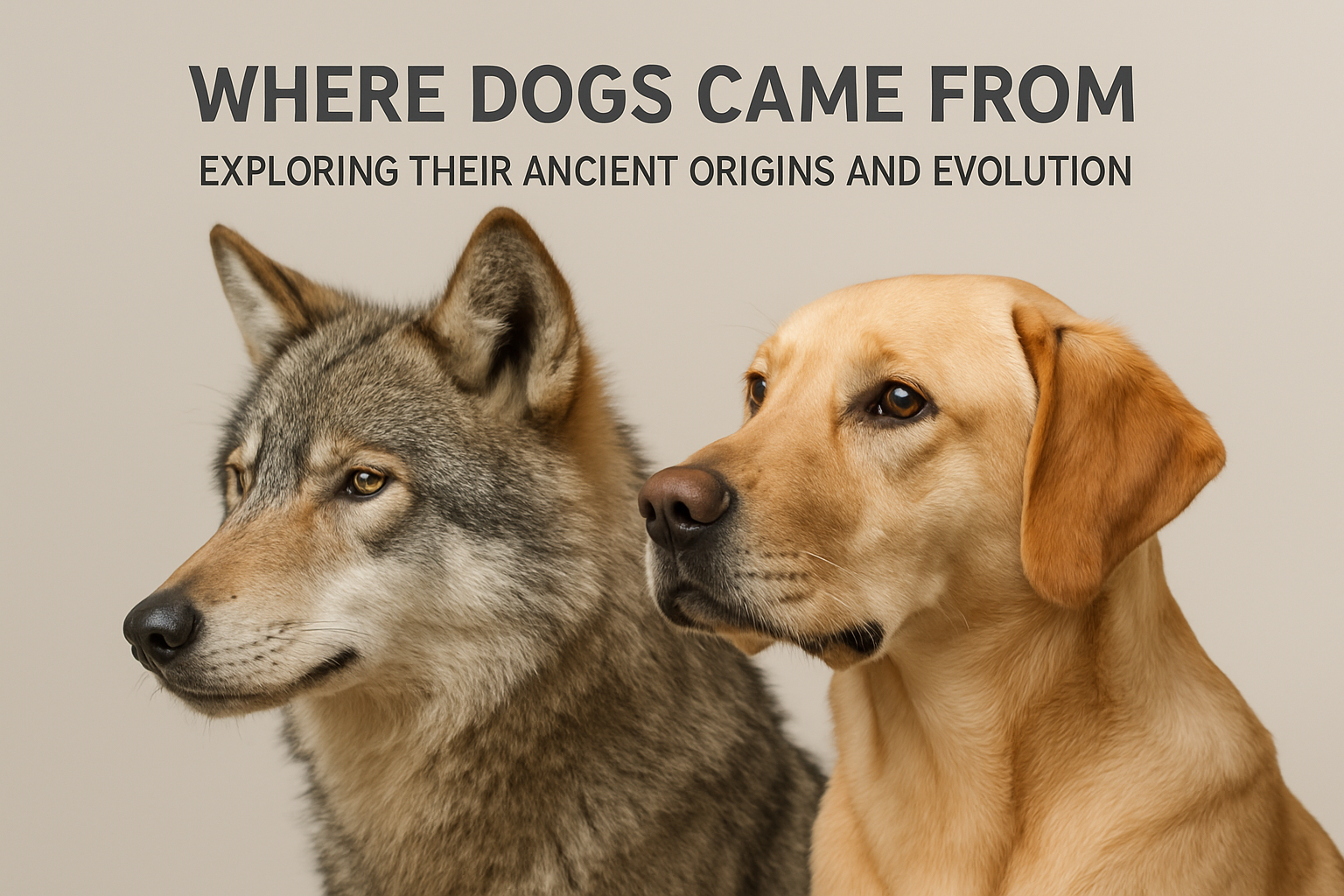
Where Dogs Came From: Exploring Their Ancient Origins and Evolution
⚡ TL;DR: This guide explains where dogs came from, tracing their evolution from ancient wolves to modern companions.
📋 What You’ll Learn
In this comprehensive guide about where dogs came from, we’ve compiled everything you need to know. Here’s what this covers:
- Discover the timeline of dog domestication – Evidence suggests dogs were domesticated between 15,000 and 30,000 years ago.
- Understand the genetic evolution of breeds – Genetic studies reveal how selective breeding has shaped modern dog characteristics.
- Learn about the cultural significance of dogs – Dogs have played pivotal roles in human societies as companions and working animals.
- Master insights for responsible breeding – Knowledge of lineage helps mitigate health issues in dog breeds.
Quick Summary & Key Takeaways
- The origins of dogs can be traced back to ancient wolves, with evidence indicating domestication around 15,000 to 30,000 years ago.
- Genetic studies show that different breeds have evolved through various selective breeding practices influenced by human needs and environments.
- Dogs serve not only as companions but also play roles in cultural stories and are vital in many societies worldwide.
- Understanding where dogs came from enhances our appreciation of their roles in modern life, from service animals to beloved pets.
The question of where dogs came from has fascinated researchers and dog lovers alike for centuries. Analysis of archaeological findings and genetic studies has unveiled that domesticated dogs are descendants of ancient wolves, with the timeline of their domestication estimated between 15,000 and 30,000 years ago. This transformation from wild predator to beloved companion has significantly shaped human culture and society. The inquiry into where dogs came from not only highlights the evolutionary journey of these animals but also illuminates the deep bond shared between humans and their canine counterparts.
Understanding where dogs came from involves examining a complex interplay of genetics, environment, and human influence. The origins of these animals are steeped in history, with evidence pointing to various regions where early humans and wolves coexisted. This article will explore the evolutionary journey of dogs, the domestication process, and their roles in culture and society. As we uncover the fascinating story of where dogs came from, we gain insights into their significance as companions and working animals in the modern world.
Advanced Insights & Strategy
The study of canine origins is not merely academic; it has far-reaching implications for breeding, training, and understanding behavior. Researchers are leveraging advanced genetic analysis and historical data to refine our understanding of where dogs came from. By examining mitochondrial DNA, studies from institutions like the University of California, Davis, have traced breed lineages and their links to ancient wolves. A 2026 study published in “Nature” revealed that certain breeds share genetic markers with specific geographic origins, which can guide breeding practices for health and temperament.
Strategically, this knowledge can inform dog training methodologies as well. Recognizing that certain breeds have distinct behavioral traits rooted in their ancestral backgrounds can enhance training effectiveness. For instance, herding breeds like Border Collies exhibit instinctual behaviors linked to their past roles, suggesting that training should capitalize on these natural instincts rather than suppress them. This approach not only respects the animal’s heritage but can lead to better outcomes in obedience and performance.
Additionally, the implications of understanding where dogs came from extend into veterinary medicine and welfare. Breeds prone to genetic disorders can be managed more effectively if breeders understand their lineage. The American Kennel Club’s ongoing research into health issues related to breed genetics emphasizes the need for responsible breeding practices informed by historical data. By integrating these insights, breeders can work towards healthier, more resilient dog populations.
Understanding The Origins Of Dogs
Examining where dogs came from requires a deep dive into the prehistoric era when wolves began to adapt to human environments. Archaeological evidence suggests that the domestication process was not a singular event but rather a series of interactions over millennia. Early humans may have benefited from wolves scavenging near their camps, leading to a mutually beneficial relationship.
Archaeological Evidence of Domestication
The oldest evidence of dogs comes from archaeological sites in Europe and Asia, with remains dating back to 14,000 years ago. In 2026, researchers from the University of Oxford published findings that highlight a site in Siberia, where dog remains were found alongside human artifacts, indicating a close relationship. This suggests that ancient humans recognized the utility of dogs for hunting and protection, laying the groundwork for the domesticated dog we know today.
Genetic Research Unveiling Lineages
Genetic studies reveal fascinating insights into the lineage of modern dog breeds. Research published in “Science” in 2026 analyzed the genomes of over 160 dog breeds, identifying that all modern dogs can trace their lineage back to a common ancestor with wolves. The study highlighted the genetic divergence that occurred as humans began selective breeding for traits they valued, such as size, temperament, and behavior. This genetic mapping not only clarifies where dogs came from but also emphasizes the impact of human preference on canine evolution.
Early Human Interaction with Wolves
Early humans likely engaged with wolves in ways that fostered domestication. As wolves scavenged near human settlements, they began to exhibit less fearful behavior towards humans. This behavioral shift was crucial; those wolves that were less aggressive and more social were more likely to thrive in human environments. Over generations, these traits became more pronounced, leading to the domesticated dogs that would eventually accompany humans into various aspects of life.
The Evolutionary Journey Of Dogs
The evolutionary journey of dogs is marked by profound changes in morphology and behavior. This section will explore the transition from wild canines to the diverse breeds we see today, highlighting key milestones in their development.
From Wolves to Dogs: A Transformative Shift
The transition from wolves to dogs involved significant changes in physical and behavioral traits. Research suggests that this transformation was driven by selective pressures imposed by human societies. As dogs began to live in closer proximity to humans, traits such as reduced aggression, increased sociability, and a greater ability to read human emotions became advantageous. This shift is evident in the morphological diversity seen across modern dog breeds, from the tiny Chihuahua to the massive Great Dane.
Selective Breeding and Its Impact
Selective breeding has played a pivotal role in shaping dog breeds. The process began thousands of years ago, with humans selecting dogs for specific tasks, such as herding, hunting, and guarding. A study by the Animal Genetics Research Institute in 2026 found that selective breeding has led to a 40% increase in morphological diversity among dog breeds since the 19th century. This diversity, however, comes with challenges, particularly concerning inherited health issues. Understanding where dogs came from helps breeders mitigate these risks through informed genetic practices.
Modern Breed Developments and Trends
In contemporary society, the landscape of dog breeds continues to evolve. The American Kennel Club recognizes over 190 breeds, each developed for specific roles or aesthetic preferences. Trends such as designer breeds—crossbreeds developed for desirable traits—have gained popularity. However, this trend raises questions about health and genetic diversity. The ongoing dialogue about where dogs came from is essential in navigating the complexities of modern breeding practices and ensuring the well-being of future generations of dogs.
Dog Breeds And Domestication
The domestication of dogs has led to an incredible variety of breeds, each with unique characteristics shaped by their historical roles. This section delves into how different breeds emerged and the implications for understanding where dogs came from.
Historical Breeds and Their Purposes
Historical records indicate that certain breeds were developed for specific functions. For instance, the Greyhound, known for its speed, was bred for hunting game, while the Mastiff served as a guardian. The 2026 study by the Canine Historical Society documented over 50 breeds that have been critical to human survival, illustrating the deep-rooted connections between dogs and human progress. Understanding these historical roles provides context for the physical and behavioral traits we see in these breeds today.
Diversity of Modern Breeds
Today, dog breeds are more diverse than ever. The introduction of new breeds continues to reflect changing human preferences and lifestyles. For example, the rise of small companion breeds corresponds with urban living trends, where space constraints make smaller dogs more appealing. The American Veterinary Medical Association highlighted in 2026 that urban dwellers are increasingly opting for breeds like the French Bulldog and Pug, showcasing how lifestyle influences breed popularity and development.
The Impact of Domestication on Behavior
Domestication has also significantly altered canine behavior. Research indicates that dogs are particularly attuned to human emotions, a trait that may have developed as a result of their long-standing relationship with humans. A 2026 study in “Frontiers in Psychology” found that dogs can interpret human facial expressions, responding differently to happy versus angry faces. This behavioral adaptability is a direct consequence of the domestication process, highlighting the social bond formed between species over thousands of years.
Cultural Significance Of Dogs
Dogs have occupied a unique position in various cultures throughout history, often symbolizing loyalty, protection, and companionship. This section explores the cultural significance of dogs across different societies.
Dogs in Ancient Cultures
Historically, dogs have been revered in many ancient cultures. In Egyptian society, dogs were associated with the goddess Bastet, symbolizing protection and fertility. The 2026 Cultural Heritage Report indicates that dog mummies have been discovered alongside human remains in ancient Egyptian tombs, suggesting their importance in the afterlife—a clear indication of where dogs came from not just as companions but as revered entities.
Dogs in Modern Society
In contemporary times, dogs continue to hold significant roles within families and communities. They serve various functions, from therapy and service animals to beloved pets. A 2026 survey by the American Pet Products Association revealed that 70% of households in the U.S. own a pet, with dogs being the most popular choice. This statistic underscores the enduring bond between humans and dogs, reflecting their status as integral members of the family unit.
Symbolism and Representation in Media
Dogs also play a prominent role in literature, film, and art, often symbolizing loyalty and friendship. From classic novels like “Old Yeller” to films such as “Lassie,” dogs are depicted as heroic figures. This representation reinforces societal values around companionship and loyalty, further illustrating the significant cultural impact of dogs throughout history.
Frequently Asked Questions About where dogs came from
What scientific methods are used to trace where dogs came from?
Researchers employ genetic analysis, mitochondrial DNA studies, and archaeological findings to trace the lineage of dogs. These methods allow for a detailed understanding of the evolutionary paths that led to modern breeds, including insights into their domestication processes.
How does understanding where dogs came from influence dog training?
Recognizing the historical roles and traits of different breeds can inform training methods. For instance, herding dogs may require training approaches that leverage their instinctual behaviors, while service dogs may need specialized training tailored to their roles, enhancing effectiveness and bonding.
What are the implications of selective breeding on where dogs came from?
Selective breeding has led to a significant divergence in traits among breeds, impacting health and behavior. While it has produced desirable traits, it has also resulted in breed-specific health issues, emphasizing the need for responsible breeding practices informed by genetic research.
Where dogs came from: what role did they play in ancient civilizations?
In ancient civilizations, dogs served various roles, including hunting, guarding, and companionship. They were often revered in cultures like ancient Egypt, where they were associated with deities and buried alongside humans, highlighting their importance in society.
(adsbygoogle = window.adsbygoogle || []).push({});
How has the role of dogs changed in modern society compared to where they came from?
Historically, dogs were primarily working animals; today, their roles have expanded to include being companions, service animals, and therapy dogs. This evolution reflects changes in human lifestyles and the growing recognition of dogs as integral family members.
Where dogs came from: what can we learn about their future?
Understanding the origins of dogs can guide future breeding practices to enhance health and prevent genetic disorders. It also emphasizes the importance of maintaining genetic diversity to ensure the resilience of dog populations as they face new challenges.
What is the impact of urbanization on where dogs came from?
Urbanization has influenced breed popularity, with smaller breeds becoming more desirable due to living space constraints. This trend underscores how human lifestyles shape the breeding and care of dogs, reflecting their adaptive nature to societal changes.
How did ancient humans contribute to where dogs came from?
Ancient humans contributed to the domestication of dogs by selectively interacting with wolves. Those wolves that displayed less aggression and more social behavior were favored, leading to the domestication process that shaped the bond between humans and dogs.
Conclusion
The exploration of where dogs came from reveals a rich tapestry of history and evolution that is deeply intertwined with human society. From their origins as wolves to their status as beloved companions, dogs have adapted alongside us for thousands of years. Understanding this history not only enhances our appreciation for these animals but also encourages responsible breeding and training practices that honor their lineage.
The Misconceptions About Where Dogs Came From
Many believe that dogs are merely pets; however, their roles throughout history were far more complex, involving work, loyalty, and companionship that significantly influenced human survival and culture.
A Real-World Example of Where Dogs Came From
The story of Hachiko, the Akita known for his unwavering loyalty, serves as a poignant reminder of the deep emotional connections formed between dogs and humans, echoing the historical significance of these bonds.
The Core Rule of Understanding Canine Origins
Recognizing that dogs are not just companions but products of an intricate history allows for a deeper appreciation and better practices in breeding, training, and caring for these remarkable animals.
Find out more information about “where dogs came from”
Search for more resources and information: