Dogs Who Are Hypoallergenic: Discover Allergy-Friendly Companions
⚡ TL;DR: This guide explains the characteristics and care of dogs who are hypoallergenic, ideal for allergy sufferers.
📋 What You’ll Learn
In this comprehensive guide about dogs who are hypoallergenic, we’ve compiled everything you need to know. Here’s what this covers:
- Understand allergens – Discover how dog allergens are produced and their sources beyond fur.
- Learn about popular breeds – Familiarize yourself with breeds like Poodles and Bichon Frises that are known for being hypoallergenic.
- Master care techniques – Explore grooming and cleaning routines that help minimize allergens in your home.
- Debunk common myths – Separate fact from fiction regarding hypoallergenic dogs and their allergenic potential.
Quick Summary & Key Takeaways
- Dogs who are hypoallergenic produce fewer allergens, making them suitable for allergy sufferers.
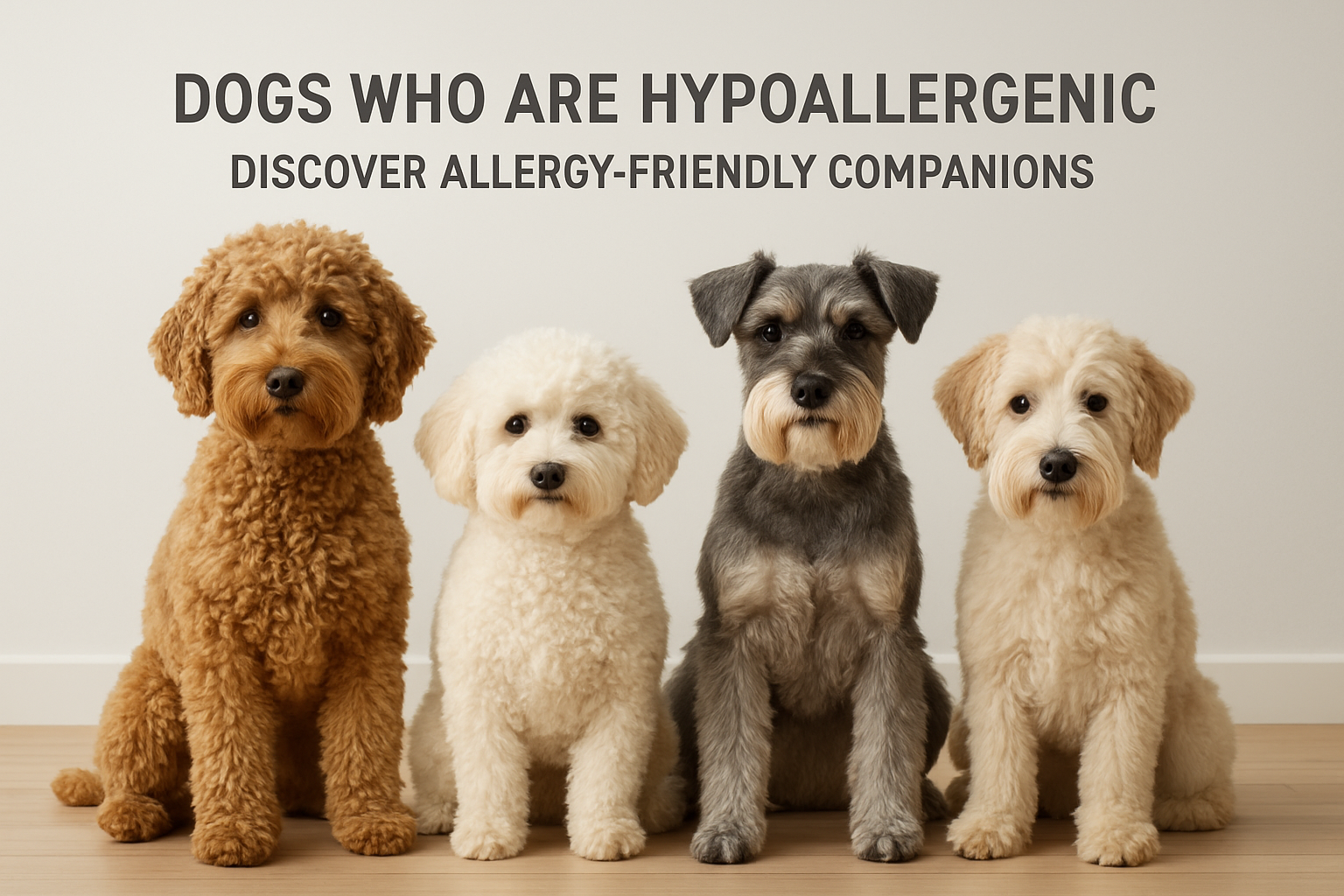
- Popular breeds include Poodles, Bichon Frises, and Schnauzers, known for their low-shedding coats.
- Regular grooming and cleaning can enhance the allergy-friendly qualities of these dogs.
- Common myths suggest that all hypoallergenic dogs are completely non-allergenic, which is not true.
- Understanding individual reactions to dog breeds is crucial for potential dog owners with allergies.
Allergies can complicate the joy of pet ownership, with an estimated 10% to 30% of the global population suffering from pet allergies. Among these, many are drawn to dogs who are hypoallergenic—breeds that produce fewer allergens and offer a potential solution for those who wish to share their lives with a canine companion. Dogs who are hypoallergenic are often characterized by minimal shedding and lower production of dander, providing a more comfortable environment for allergy sufferers.
Understanding the complexities of dog allergies reveals that they are often not caused by fur alone. Proteins found in saliva, urine, and skin cells are the main culprits. Thus, the quest for dogs who are hypoallergenic is not merely about finding a breed with less fur; it involves a comprehensive approach to breed selection and care. This article explores the world of hypoallergenic dogs, examining popular breeds, care strategies, and common misconceptions, while emphasizing the importance of personalized allergy management.
Advanced Insights & Strategy
The concept of hypoallergenic dogs is nuanced and requires a strategic approach for prospective owners. The first step involves understanding the specific allergens that affect individuals. According to a 2026 study by the American Academy of Allergy, Asthma & Immunology, 63% of allergy sufferers react strongly to certain breeds, while others show minimal symptoms. This variability underscores the necessity for tailored dog selection based on individual reactions.
In addition to breed selection, environmental management plays a significant role. Implementing a routine that includes regular cleaning, air filtration systems, and grooming can drastically reduce allergens in the home. The Asthma and Allergy Foundation of America suggests that homes with dogs who are hypoallergenic should employ HEPA filters and maintain a strict cleaning schedule to minimize allergen exposure.
Furthermore, engaging in allergy testing can benefit potential dog owners. With specific testing, individuals can better understand their sensitivities, allowing them to choose breeds more effectively. The use of skin prick tests and serum IgE tests can provide valuable insights into which proteins trigger allergic reactions, enabling a more informed decision when selecting dogs who are hypoallergenic.
Understanding Dogs Who Are Hypoallergenic
Hypoallergenic dogs are not entirely free of allergens; rather, they produce fewer allergens compared to their counterparts. The term “hypoallergenic” refers to breeds that are less likely to provoke allergic reactions in sensitive individuals. This is primarily due to their coat type, which often features hair that is curlier or denser, trapping dander and reducing its spread in the environment.
Research conducted by the American Kennel Club indicates that breeds like Poodles, Bichon Frises, and Portuguese Water Dogs fall into this category. These breeds have hair similar to human hair, which means they shed less and produce less dander. In contrast, traditional shedding breeds, such as Golden Retrievers or German Shepherds, release dander and allergens into the air more frequently, making them less suitable for allergy sufferers.
The dynamics of dog allergies extend beyond just dander. Saliva and urine from dogs are also significant sources of allergens. A 2026 article in the Journal of Allergy and Clinical Immunology emphasized that proteins found in the saliva of certain breeds can trigger allergic reactions. Therefore, selecting dogs who are hypoallergenic requires understanding not only coat types but also the specific allergens produced by different breeds.
Breeds and Allergen Levels
Different breeds exhibit varying levels of allergens. For example, a study by the University of California, Davis, found that Poodles produce significantly lower levels of the allergens found in their saliva compared to breeds like Beagles. This can make a substantial difference for individuals with severe allergies. A comparative analysis of allergen levels in various breeds can guide prospective owners.
Research has shown that the following breeds consistently rank as hypoallergenic:
– **Poodle**: Available in standard, miniature, and toy sizes, Poodles have a curly coat that traps dander and minimizes shedding.
– **Bichon Frise**: Their soft, curly coat requires regular grooming but produces fewer allergens.
– **Schnauzer**: This breed has a wiry coat that reduces dander spread and requires regular grooming to maintain its hypoallergenic properties.
Understanding these breed characteristics is essential for those searching for dogs who are hypoallergenic, as the right choice can significantly enhance the quality of life for allergy sufferers.
Popular Breeds: Dogs Who Are Hypoallergenic
When considering dogs who are hypoallergenic, several breeds stand out due to their popularity and allergy-friendly traits. Each breed offers unique characteristics that cater to different lifestyles and family dynamics.
Poodles
Poodles are one of the most recognized hypoallergenic breeds, available in three sizes: standard, miniature, and toy. Their curly coats do not shed much, which significantly reduces the spread of allergens. Regular grooming is necessary to maintain their coat and minimize dander. Studies reveal that Poodles have a lower allergenic potential, making them a preferred choice for families with allergies.
Bichon Frise
The Bichon Frise is a cheerful and affectionate breed known for its fluffy, curly coat. This breed requires regular grooming, which helps manage allergens effectively. According to the American Kennel Club, they are ranked among the top hypoallergenic breeds due to their low-shedding coat and minimal dander production. Their playful demeanor makes them excellent companions for families, even those with allergy concerns.
Schnauzers
Schnauzers come in three sizes: standard, miniature, and giant. Each variation has a wiry coat that tends to trap dander, making them suitable for allergy sufferers. Regular grooming helps maintain their coat and minimizes allergen levels. Research indicates that Schnauzers show lower allergenic responses, making them a favorable option for those seeking dogs who are hypoallergenic.
Care and Maintenance of Dogs Who Are Hypoallergenic
Maintaining a healthy environment for dogs who are hypoallergenic requires intentional care strategies. Regular grooming and cleaning routines are paramount in managing allergens.
Grooming Requirements
Regular grooming is essential for hypoallergenic breeds. For instance, Poodles and Bichon Frises benefit from consistent brushing and professional grooming to prevent matting and reduce dander. It is recommended that owners groom their dogs at least once a week, with professional grooming every four to six weeks to maintain coat health and minimize allergens.
Moreover, using specialized shampoos designed for hypoallergenic dogs can further reduce dander production. A study by the American Society for the Prevention of Cruelty to Animals (ASPCA) suggests that bathing dogs every 4 to 6 weeks can significantly lower allergen levels in the home.
Home Cleaning Strategies
Implementing effective cleaning strategies enhances the allergy-friendly environment. Regular vacuuming with HEPA filters can capture allergens that settle on floors and surfaces. The Asthma and Allergy Foundation of America recommends vacuuming at least twice a week in homes with dogs who are hypoallergenic.
Additionally, utilizing air purifiers equipped with HEPA filters helps to capture airborne allergens, creating a cleaner atmosphere. A systematic cleaning routine that includes washing dog bedding, toys, and leashes can also contribute to reducing allergen levels within the home.
Diet and Health
Diet plays a pivotal role in maintaining the overall health of hypoallergenic dogs. High-quality, protein-rich diets can bolster a dog’s immune system and overall well-being. According to the Pet Food Institute, a balanced diet can help minimize skin irritations that contribute to allergen release.
Furthermore, regular veterinary check-ups are crucial. Health issues can exacerbate allergens, so ensuring that dogs are healthy can help manage their allergenic potential. A study published in the Journal of Veterinary Internal Medicine highlights the connection between skin health and allergen production, emphasizing the importance of proactive health management.
Common Misconceptions About Dogs Who Are Hypoallergenic
Despite their popularity, several misconceptions surround dogs who are hypoallergenic. These misunderstandings can lead to poor choices for those with allergies.
The Myth of Zero Allergens
One prevalent myth is that all hypoallergenic dogs produce no allergens. While breeds labeled as hypoallergenic do produce fewer allergens, they are not completely devoid of them. The American College of Allergy, Asthma & Immunology clarifies this misconception, stating that no dog is entirely hypoallergenic. Individuals with severe allergies may still react to these breeds, so personalized assessments are crucial.
Size and Allergen Production
Another misconception relates to the size of the dog affecting allergen levels. Many assume that smaller breeds produce fewer allergens than larger ones. However, allergen production is more closely related to the breed’s specific characteristics rather than size. A study from the Journal of Allergy and Clinical Immunology reveals that certain large breeds can have lower allergen levels than some small breeds.
Grooming Needs and Allergens
It is also falsely believed that hypoallergenic dogs require less grooming than their shedding counterparts. In reality, dogs who are hypoallergenic often need more grooming to manage their coats effectively. Regular grooming helps minimize dander and allergens, making it a vital aspect of ownership. The Humane Society of the United States emphasizes the importance of a grooming routine for maintaining a healthy, low-allergen environment.
Frequently Asked Questions About Dogs Who Are Hypoallergenic
What are the best grooming practices for dogs who are hypoallergenic?
Regular grooming, including brushing at least once a week and professional grooming every four to six weeks, is vital for managing allergens. Using hypoallergenic shampoos can also help minimize dander production.
Are there completely hypoallergenic dog breeds?
No dog is entirely hypoallergenic. However, certain breeds, such as Poodles and Bichon Frises, produce significantly fewer allergens and are more suitable for allergy sufferers.
How can I reduce allergens in my home with a hypoallergenic dog?
Implement a strict cleaning routine that includes vacuuming with HEPA filters, using air purifiers, and washing dog bedding frequently. Regular grooming also plays a key role in minimizing allergens.
What should I consider when choosing a hypoallergenic dog breed?
Consider your specific allergic reactions, the breed’s grooming needs, and the dog’s temperament. Allergy testing can provide insights into which breeds may be appropriate for you.
(adsbygoogle = window.adsbygoogle || []).push({});
Do hypoallergenic dogs shed less than other breeds?
Yes, hypoallergenic dogs generally shed less, which contributes to lower allergen levels in the home. However, they still require regular grooming to maintain their coats and minimize dander.
Can I have a hypoallergenic dog if I have severe allergies?
While hypoallergenic dogs produce fewer allergens, individuals with severe allergies should consult with an allergist before adopting. Personalized assessments can ensure the best breed choice.
How often should I bathe my hypoallergenic dog?
Bathing every four to six weeks is recommended to control dander and allergens. Use hypoallergenic shampoos to maintain skin health and reduce allergen production.
Are there any specific diets for hypoallergenic dogs?
A high-quality, protein-rich diet is beneficial for hypoallergenic dogs, supporting their immune system and skin health. Consult with a veterinarian for specific dietary recommendations.
Conclusion
The journey toward finding the right companion for allergy sufferers can lead to the discovery of dogs who are hypoallergenic. While these breeds present fewer allergens, understanding individual sensitivities remains vital. Proper care, grooming, and cleaning routines contribute significantly to maintaining a comfortable living environment. By choosing wisely and implementing effective strategies, dog lovers can enjoy the companionship of hypoallergenic breeds without sacrificing health.
Rethinking Hypoallergenic Dogs
Many believe that hypoallergenic dogs are the ultimate solution for allergies, but this perspective oversimplifies the complexities of canine allergens. Personal sensitivity varies greatly, making it crucial to assess individual reactions rather than rely solely on breed labels.
A Real-World Example of Hypoallergenic Success
A family in San Diego adopted a Bichon Frise after extensive allergy testing revealed their son was particularly sensitive to fur but could tolerate the breed’s lower allergen levels. With a consistent grooming routine, the family has enjoyed a healthy, happy dynamic with their new pet.
The Core Principle of Choosing Wisely
When it comes to selecting dogs who are hypoallergenic, the principle of individualized assessment is paramount. Each allergy sufferer must understand their unique triggers to select the most suitable breed for their lifestyle and environment.
Find out more information about “dogs who are hypoallergenic”
Search for more resources and information: